Creative Discovery Museum is Chattanooga’s hands-on children’s museum, built for the kind of learning that starts with touching, testing, building, splashing, and trying again. Rather than moving through galleries of look-but-don’t-touch objects, children take an active role in river systems, imaginative play, art, and age-appropriate science and engineering challenges. It is especially well suited to families traveling with preschool and elementary-age children.
The museum sits on Chestnut Street in downtown Chattanooga’s riverfront district, close to major family attractions and easy city sightseeing. Its indoor setting makes it a useful anchor on a hot, rainy, or humid day, while the exhibits give children a substantial outlet before or after time along the Tennessee River. Plan for a play-focused visit rather than a quick museum walkthrough.
Standout Highlights & What Not to Miss
The strongest visits follow children’s curiosity while saving enough time for the museum’s largest, most participatory areas. Bring clothes that can handle a little water play, let younger visitors set the pace, and expect older children to linger where they can design, test, and revise an idea. These are the experiences that best show the museum’s Chattanooga character.
- Tennessee RiverPlay: This water-and-engineering area connects play to the working Tennessee River. Children can move boats through a lock-and-dam system, explore hydropower concepts, and investigate the barge-loading dock. A separate toddler water table gives smaller children a more manageable place to float boats and experiment with moving water.
- River Ranger towboat: Step aboard an environment inspired by river commerce, with spaces including an engine room, galley, and pilot house. The simulated barge-pushing activity helps turn a regional industry into something children can act out instead of merely hear about.
- Little FarmHouse: Designed for children five and younger, this area centers on familiar pretend play: a farmhouse, kitchen, nursery, garage, barn, tractor, and farmer’s market. The meadow offers sensory experiences for pre-walkers and non-walkers, making it a strong first stop for families with toddlers.
- STEM Zone: Older children often gravitate toward Make It, Build and Test, robotics, and energy activities. Do not rush this section; its value is in repeated attempts, comparison, and the chance to adjust a design after it fails or behaves unexpectedly.
- TreeHouse Adventure and Discovery Library: The multi-level climbing experience adds motion and imaginative drama, including cave and flight-themed elements, while the library provides a calmer counterpoint. Check ahead if a child needs wheelchair access to a particular climbing area.
Visitor Strategy & Planning Snapshot
| Planning Factor | What to Expect | Practical Strategy |
|---|---|---|
| Ideal Arrival Window | Children engage best before attention and energy dip; downtown family attractions can make busy periods feel fuller. | Arrive near the start of your chosen visit window when possible, then begin with the child’s highest-priority exhibit. |
| Typical Time Needed | A satisfying visit commonly takes 2 to 3 hours, especially when children repeat favorite activities. | Allow the full block if river play, STEM projects, and climbing are all priorities; avoid scheduling a rushed meal immediately afterward. |
| Booking / Queue Reality | Entry procedures, capacity practices, programs, and special-event conditions can change. | Confirm current admission, timed-entry, group, and event details before leaving your hotel or home, particularly on weekends and school breaks. |
| Terrain & Accessibility | Indoor exhibits mix open play areas with climbing components. Sensory bags, a private nursing room, universal changing table, and loaner umbrella strollers are available. | Ask staff in advance about access to specific climbing areas. Use quieter spaces and the library as reset points when needed. |
| Weather / Seasonal Fit | The museum is a dependable indoor option during summer heat, rain, or chilly weather, and water play can be especially tempting in warm months. | Pack a spare shirt or light change of clothes for enthusiastic water-table users, then pair the visit with nearby outdoor riverfront time if conditions are pleasant. |
Honest Trade-Offs: Best For vs. Who Might Skip
Creative Discovery Museum is best for families who want their children to lead the experience, especially preschoolers, elementary-age explorers, multigenerational groups, and homeschooling families seeking hands-on reinforcement of everyday concepts. It rewards patience: a child may spend far longer at a water system, pretend kitchen, or building challenge than an adult expects. Visitors looking for a quiet, artifact-heavy museum or an adult-centered cultural stop may find the active sound level and play-first format less appealing. Families with children of widely different ages should divide attention strategically, since toddlers and older makers may favor different zones. The climbing features are a bonus, not a substitute for a full adventure park, and mobility needs should be discussed ahead of time for specific areas.
Neighborhood Context & How to Pair Your Visit
Use the museum as the indoor centerpiece of a compact downtown Chattanooga family day. The Tennessee Aquarium is nearby for a natural pairing: choose one major attraction in the morning and the other after a meal, rather than trying to race through both. The riverfront also invites a slower reset between activities, with room for a walk, views of the Tennessee River, and a chance for children to burn off energy outdoors. If your group includes a nap schedule or easily overstimulated child, make the museum the day’s main commitment and keep the riverfront portion flexible. That approach preserves the best part of the visit: unhurried time to play, build, and discover.
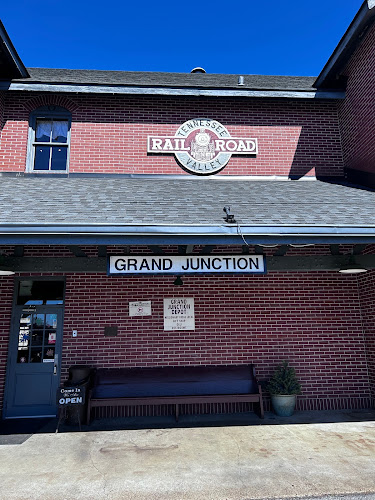
When planning your Chattanooga travel guide, pair this stop with standout local spots including Tennessee Valley Railroad Museum.