
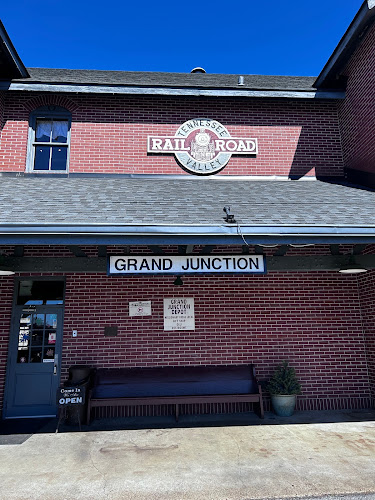
Tennessee Valley Railroad Museum is an operating preservation railway in Chattanooga, where the museum experience begins not in a hushed gallery but aboard historic passenger equipment. From the Grand Junction Depot area in the city’s Cromwell Road–Bonny Oaks district, visitors can watch a living collection of locomotives, coaches, shop work, and rail procedures come together around an actual excursion.
The museum is especially known for rides that include the Missionary Ridge Tunnel, a pre–Civil War tunnel whose dark, stone-lined passage gives the outing a sense of movement through regional history. Steam locomotives such as Southern Railway No. 4501 and No. 630 are important parts of the collection, alongside diesel power and historic cars; however, assigned equipment can change, so a visit is best planned around the route and experience rather than a promised locomotive.
Standout Highlights & What Not to Miss
This is a strong choice for travelers who want preservation interpreted in motion. The museum’s short local excursion is the usual first pick for a time-conscious Chattanooga itinerary, while the depot grounds and rail activity reward visitors who arrive ready to look beyond the train ride itself.
- Missionary Ridge Tunnel: The tunnel is the defining moment of the Missionary Ridge Local, combining a vintage rail journey with an unusually tangible piece of Civil War-era infrastructure.
- Working turntable: At the route’s far end, the locomotive-turning demonstration explains a practical task that is easy to overlook in static railroad displays. It is one of the clearest ways to see how an operating heritage railroad differs from a conventional museum.
- Historic passenger-car atmosphere: Settle into a period railcar and pay attention to the fittings, windows, sounds, and changing trackside view. The pleasure here is as much about the rhythm of rail travel as the destination.
- Restoration perspective: Shop-related interpretation reveals that preservation requires skilled, ongoing mechanical work. If a restoration-shop visit is included with the day’s program, it adds useful context to the locomotives and cars outside.
- Locomotive collection and depot browsing: Allow time before or after boarding to look at outdoor equipment and the Grand Junction Depot gift shop. It is a good opportunity for photographs and for younger visitors to decompress without rushing straight to the platform.
Visitor Strategy & Planning Snapshot
| Planning Factor | What to Expect | Practical Strategy |
|---|---|---|
| Ideal Arrival Window | Boarding and pre-departure activity are part of the appeal, not merely a delay before the ride. | Arrive with enough margin to orient yourself, collect tickets if needed, photograph equipment, and hear any boarding guidance. |
| Typical Time Needed | A standard visit commonly takes about 1.5 to 2 hours, with the local train ride itself running roughly 65 minutes. | Reserve additional time if you want to browse the depot, explore outdoor displays, or linger over photography. |
| Booking / Queue Reality | Excursions operate on scheduled departures, and popular weekends, themed trips, and seasonal programs can draw demand. | Choose a departure before building the rest of your day around it. Confirm the current schedule and ticket procedures directly before making fixed plans. |
| Terrain & Accessibility | Historic cars can involve boarding steps, narrow passageways, and constrained interiors; the experience is not identical to modern passenger rail. | Travelers using wheelchairs, managing mobility limitations, or bringing strollers should contact the museum ahead about transfers, assigned equipment, and storage. |
| Weather / Seasonal Fit | The ride is largely sheltered, but platform time, outdoor equipment viewing, and photography are exposed to heat, rain, and cold. | Dress for the forecast and bring layers for cooler railcar or platform conditions. Seasonal events may change the atmosphere and demand. |
Honest Trade-Offs: Best For vs. Who Might Skip
Railroad enthusiasts, families with young children, industrial-heritage travelers, and steam-locomotive photographers will find unusual depth here, especially when active equipment or hands-on interpretation is available. It also works for visitors who value a memorable, sit-down attraction over another self-guided exhibit. The trade-off is that this is an excursion-led attraction: those seeking a large indoor gallery, guaranteed access to a particular locomotive, or a quick drop-in museum may be disappointed. Views are primarily rail corridor scenery rather than a broad Chattanooga panorama, and historic-car boarding can be a real consideration for guests with limited mobility. The best mindset is curiosity about operations, machinery, and the experience of riding the rails.
Neighborhood Context & How to Pair Your Visit
The museum sits away from Chattanooga’s downtown riverfront concentration, so treat it as a purposeful east-side stop rather than something to squeeze between central-city attractions on foot. Pair a morning or afternoon departure with a relaxed meal or errand in the surrounding Bonny Oaks area, then use the ride as the anchor for a wider Chattanooga day. Visitors staying downtown should factor in travel time each way and avoid scheduling a tightly timed reservation immediately after the train’s expected return. For a more rail-focused itinerary, linger over the collection and depot details; for families, combine the excursion with an easy, low-pressure stop afterward rather than trying to stack multiple major attractions around a fixed departure.
When planning your Chattanooga travel guide, pair this stop with standout local spots including Creative Discovery Museum.
