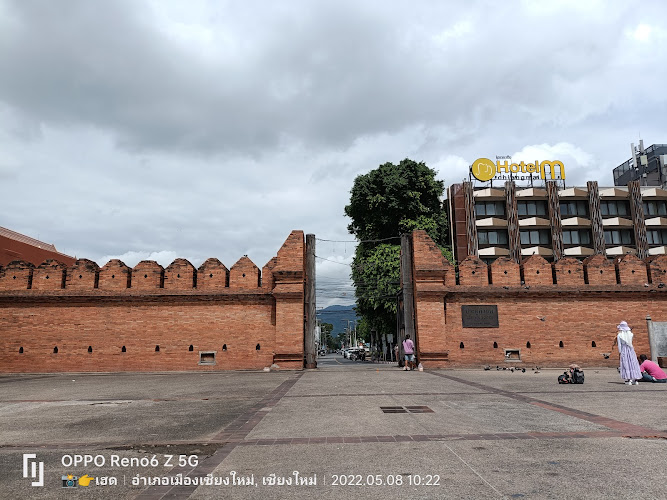
Mueang Chiang Mai District is the capital district of Chiang Mai Province in northern Thailand, centered on Chiang Mai’s historic core at Chiang Mai, Thailand. Founded as the Lanna Kingdom’s capital by King Mangrai in 1296, this broad urban district combines the moated Old City, working markets, Buddhist temples, the Ping River and modern commercial quarters. Travelers come to trace Lanna architecture, eat northern Thai dishes such as khao soi and sai ua, and experience the city’s evening street life.
What to Expect at Mueang Chiang Mai District
The most walkable starting point is the roughly square Old City, where remnants of brick ramparts and the moat mark the former fortified settlement. Tha Phae Gate on the east side is the principal public landmark and an easy orientation point. From there, Ratchadamnoen Road leads west toward Wat Phra Singh, while quieter lanes contain teak houses, massage studios, cafés and temple compounds. At Wat Chedi Luang, the immense partly ruined brick chedi recalls the city’s fifteenth-century power; the structure was damaged by an earthquake in 1545.
Beyond the walls, Mueang Chiang Mai spreads into distinct food and market districts. Chang Khlan Road’s Night Bazaar is an after-dark shopping strip, while Warorot Market near the Ping River is a daytime local market for dried fruit, herbs, textiles, flower garlands and northern snacks. Order khao soi, the curry noodle soup finished with crisp fried noodles, alongside grilled sai ua sausage, nam phrik noom green-chile dip and sticky rice. Sunday Walking Street on Ratchadamnoen Road closes to traffic on Sunday evenings, bringing craft stalls, street food and performances into the Old City.
- Tha Phae Gate: The eastern gateway to the Old City and a practical meeting point beside the moat.
- Wat Phra Singh: A major Lanna temple known for its gilded assembly halls and the revered Phra Singh Buddha image.
- Wat Chedi Luang: Explore the towering brick chedi, once home to the Emerald Buddha, within a large active temple compound.
- Warorot Market: Shop a long-running riverside market for northern pantry goods, textiles, snacks and everyday Chiang Mai life.
- Sunday Walking Street: Browse handicrafts and food along Ratchadamnoen Road on Sunday evening, when the Old City becomes pedestrian-only.
Mueang Chiang Mai District at a Glance
| Detail | Information |
|---|---|
| Address | Chiang Mai, Thailand; this is a district-wide destination rather than a single street-address attraction. |
| Neighborhood / Area | Old City, Tha Phae, Chang Khlan, Chang Moi, Wat Ket and the Ping River area. |
| Operating Hours | Public streets and moat are accessible daily; temple, museum, market and night-market hours vary by site and day. |
| Admission / Price Range | Free to explore public areas; individual temples, museums, activities and dining are paid separately. Typical overall spend: $. |
| Recommended Visit Duration | 1 to 3 days for the Old City, markets, temples and food neighborhoods. |
| Nearest Transit / Parking | Chiang Mai International Airport is about 3 km southwest of the Old City; red songthaew shared trucks circulate throughout central areas. Paid lots and limited curb parking are available around major gates and markets. |
| Official Website & Phone | Chiang Mai Municipality; no single district visitor phone line applies. |
Visiting Tips, Getting There & Nearby Pairings
Begin early at Tha Phae Gate or Wat Phra Singh, before the midday heat and tour groups, then reserve late afternoon for the riverfront or market areas. Use red songthaews for short central journeys; agree the fare before boarding, as these shared pickup trucks do not run on fixed timetables. Grab and taxis are useful from the airport and for evenings. Avoid driving inside the Old City when possible: one-way streets, narrow lanes and scarce parking make walking or a songthaew simpler.
The Old City is largely flat, and the moat paths suit a relaxed stroll, but pavement surfaces can be uneven, drainage grates and high curbs are common, and many temple halls have steps at their entrances. Wheelchair users and families with strollers should plan point-to-point rides and ask individual sites about ramps and accessible toilets. Pair a temple route with the Three Kings Monument and Chiang Mai City Arts & Cultural Centre, both near the center, then walk east to Tha Phae Gate. Warorot Market and the Ping River are about 15 minutes on foot from the gate.
Frequently Asked Questions
When is the best time to explore Mueang Chiang Mai District?
Public streets can be explored at any time, while individual temples and markets keep their own schedules. Start temple visits in the morning, take a midday break, and return after sunset for the Night Bazaar or Sunday Walking Street.
Is there an admission fee or do I need reservations?
There is no ticket to enter the district, walk the moat or visit Tha Phae Gate. Some temples request donations or charge entry, and organized cooking classes, spas and popular restaurants may require advance reservations during the busy cool season.
How much time should I allow for the district?
Allow a full day for the Old City’s principal temples, Tha Phae Gate and a market meal. Two or three days gives time for Warorot Market, the river area, evening shopping and unhurried northern Thai dining.
Is Mueang Chiang Mai District suitable for families and wheelchair users?
Families will find easy daytime stops at the moat, markets and temple grounds, though children should be dressed respectfully for active religious sites. Mobility access varies substantially: central streets are mostly level, but uneven footpaths and stepped temple buildings mean accessible transport and site-by-site planning are sensible.
When planning your Chiang Mai travel guide or browsing verified attractions in Chiang Mai, pair this stop with standout local spots including Chiang Mai Land, Wat Umong The Suan Buddha Dhamma, Ruamchok Mall, and Chiang Mai Zoo (0.5 km away).