Editorial disclosure: This destinations.ai guide was prepared with AI assistance and checked against the official sources linked below. Accommodation and activity placeholders may use affiliate links; that does not change the planning advice.
Chiang Mai, the cultural capital of northern Thailand, offers a cooler, slower-paced alternative to Bangkok, ringed by misty mountains and dotted with hundreds of Buddhist temples.
Climb the 309 Naga-flanked steps to the golden mountaintop temple of Wat Phra That Doi Suthep, explore the ancient walled Old City temples like Wat Chedi Luang and Wat Chiang Man, and browse the famous night markets and artisan coffee shops. Day trips reach Doi Inthanon, Thailand’s highest peak, and ethical elephant sanctuaries.
The best time to visit is the cool, dry season from November to February, which is also peak season; try to avoid the February-to-April burning season, when farm smoke harms air quality. If you can, time a November visit for the magical Yi Peng lantern festival. Plan three to five days to combine temples, food, and mountain excursions.
Affiliate placeholder: Compare accommodation options after checking the official property details, location, and cancellation terms.
Affiliate placeholder: Check current activity availability, meeting points, accessibility, and cancellation terms before reserving.
Sources and current planning links
Explore more destinations.ai travel guides when building a longer route.
How to plan a Chiang Mai visit
Chiang Mai is a northern Thailand base for Lanna culture, temple streets, mountain landscapes, markets, cafés, and slower-paced day trips. This guide is for Chiang Mai city and the surrounding Chiang Mai Province, not a similarly named neighborhood or business elsewhere. Plan a mix of walkable Old City time, one mountain outing, and unstructured space for food, markets, and weather.
The city can feel easy and unrushed until heat, rain, festival crowds, smoky air, or a long transfer changes the day. Check the current Tourism Authority of Thailand information, weather, air-quality readings, attraction notices, and transport options before committing to an early mountain departure. A realistic itinerary leaves room for traffic and a proper rest.
What are the best things to do in Chiang Mai?
The best things to do in Chiang Mai are visiting Old City temples, climbing or driving to Doi Suthep, browsing walking markets, eating northern Thai food, and exploring the green hills beyond town. You do not need to collect every temple; choose a few and give their stories, architecture, and surrounding streets your attention.
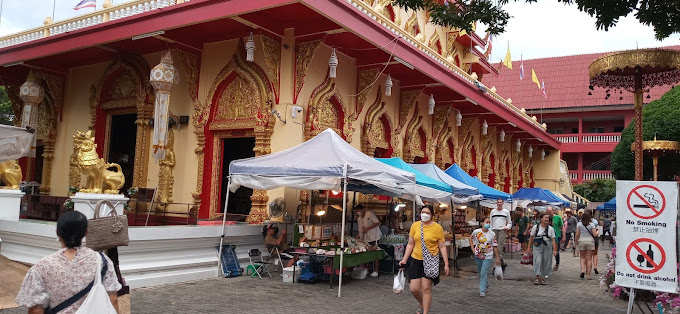
Start with the Old City’s lanes and moat-side streets. Wat Chedi Luang and Wat Chiang Man are strong history stops, while smaller neighborhood temples reward a quiet look when services allow visitors. Dress with shoulders and knees covered, remove shoes where requested, keep voices low, and ask before photographing monks, worshippers, or ceremonies.
Doi Suthep is the signature hill experience. The temple’s elevated setting gives you both a cultural visit and a view toward the city, but stairs, heat, crowds, and rain can affect the experience. Check current access and dress expectations, use a safe transfer, and treat the temple as an active religious place rather than a photo backdrop.
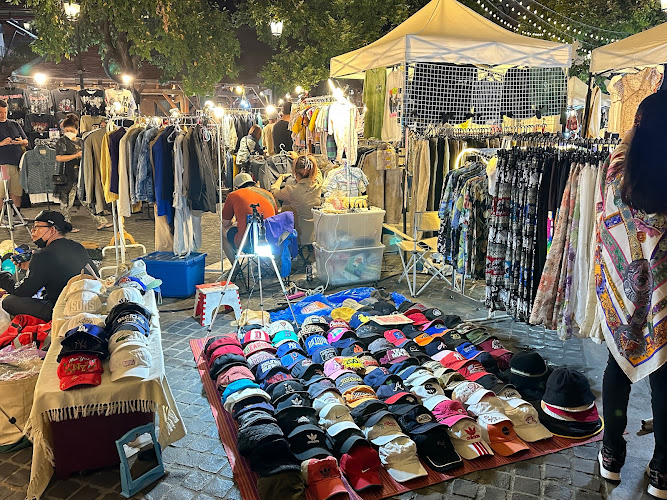
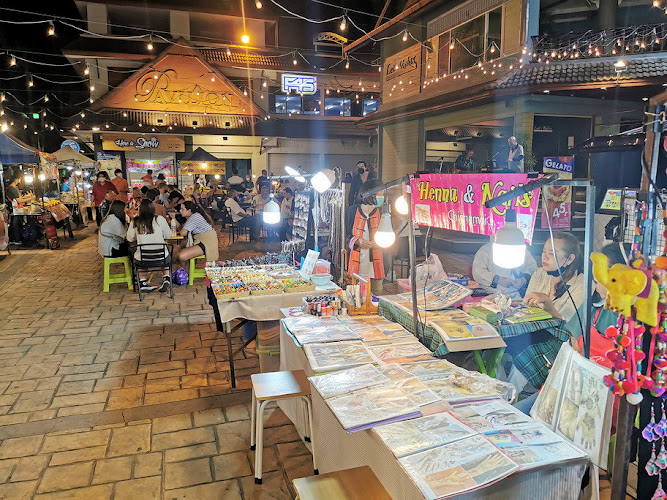
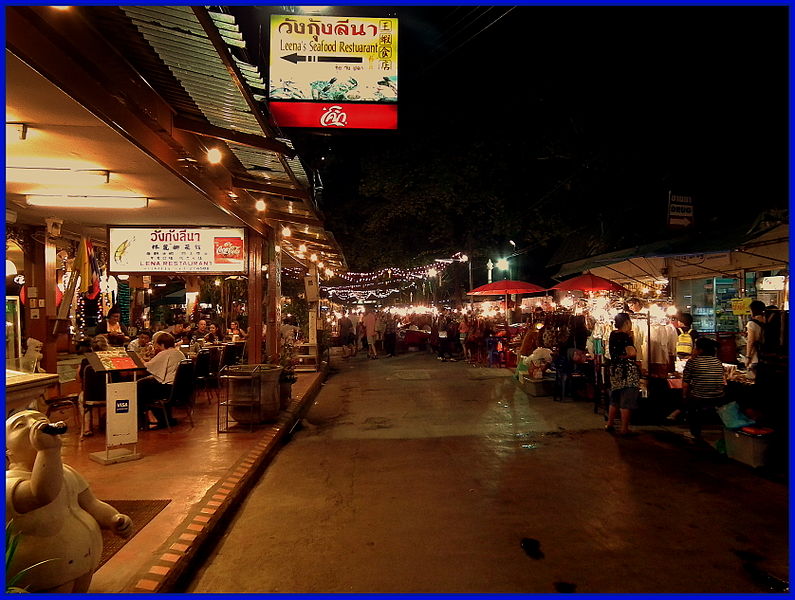
Tha Phae Walking Street, Nimmanhaemin Road, and other markets show the city’s contemporary side. Look for handmade work, local snacks, coffee, design, and music, but do not assume an event operates every day or in the same location. Confirm the current market calendar and carry small cash while keeping valuables secure in crowded lanes.
Which Chiang Mai neighborhoods are best for travelers?
Stay inside the Old City for temple walks and first-time convenience, choose Nimman for cafés, design, and nightlife, or book Riverside or the Night Bazaar area for restaurants, hotels, and a more open urban feel. The best neighborhood depends on whether you want to walk to heritage sites, work from cafés, or use Chiang Mai as a base for tours.
Old City lanes vary greatly in noise, shade, traffic, and pavement. Nimman is lively and modern but less atmospheric if your priority is historic Chiang Mai. Riverside can be pleasant for evenings and views, while the Night Bazaar area makes shopping and restaurant access convenient. Check the exact street rather than booking from the neighborhood name alone.
Before paying, confirm air conditioning, hot water, mosquito screens, lift access, stairs, Wi-Fi, pool rules, breakfast hours, luggage storage, and cancellation terms. Ask whether staff can arrange an accountable driver or guide and whether the property has a quiet room away from late-night traffic. Families and travelers with mobility needs should request photos or precise access details.
What food should you try in Chiang Mai?
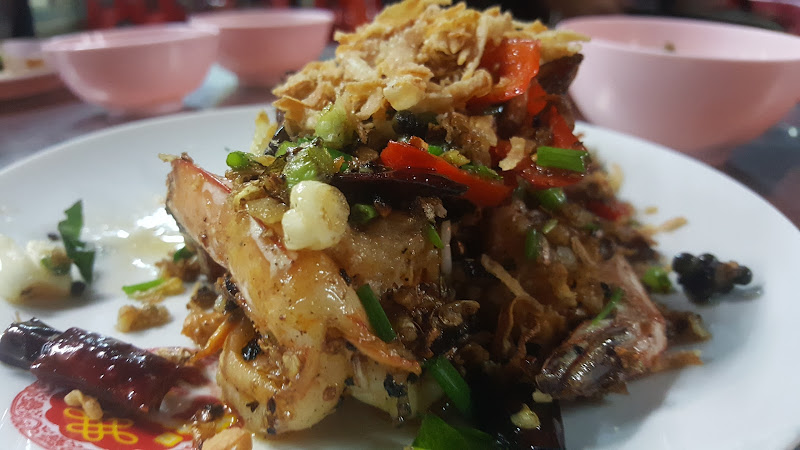
Chiang Mai is the place to try northern Thai dishes such as khao soi, sai ua sausage, nam prik ong, sticky rice, grilled meats, fresh herbs, and market snacks. Order one or two regional dishes at a time, ask about spice, and let a local recommendation guide the next meal rather than relying on a generic list.
Khao soi’s curry broth, egg noodles, pickled greens, and crunchy noodles make it an obvious first taste, but the region’s food is broader than one bowl. Explore morning markets, evening food streets, cafés, and restaurants that explain their ingredients. Northern cooking often uses fermented or pungent elements, so mention allergies and dietary restrictions clearly.
Use sensible food and water precautions, especially during the hot season. Choose vendors with strong turnover, keep sealed water available, and carry a translation note for allergies if needed. A cooking class can be useful when it includes a market visit, ingredient explanation, and a clear approach to food safety.
What mountain and nature trips can you take from Chiang Mai?
From Chiang Mai, you can plan mountain time at Doi Inthanon, Doi Ang Khang, Mae Kampong, Doi Pui, or other northern landscapes, but each needs a current route, weather, and park or community check. Distances on a map are not the same as travel time on winding roads, so choose one area rather than stacking distant stops.
Doi Inthanon is the major full-day option for high-elevation scenery, waterfalls, forest, and the country’s highest point. Check park conditions, clothing needs, trail status, driver arrangements, and return time. Doi Ang Khang and Mae Kampong offer different landscapes and community experiences; confirm what is open and what kind of behavior the community expects.
Choose elephant experiences with a strict welfare policy that does not involve riding, forced bathing, or close-contact handling. Ask where the animals came from, how they spend the day, and whether visitors can observe without crowding them. Respect hill communities, avoid treating people as scenery, and carry out waste from trails and viewpoints.
When is the best time to visit Chiang Mai?
The cooler, drier months are usually the most comfortable for temples and mountains, while the rainy season brings greener scenery and the burning season can bring unhealthy air. Exact conditions vary by year, so check forecast and air-quality information close to travel rather than treating a calendar window as a guarantee.
November through February is commonly popular for mild mornings and outdoor plans, but it is also a busy period. March and April can be hot, and smoke from regional agricultural burning may affect visibility and breathing; travelers with respiratory sensitivities should monitor current readings carefully. Rainy months can be rewarding, but trails, waterfalls, roads, and boat or outdoor activities can change quickly.
How do you get to Chiang Mai and get around?
Most visitors reach Chiang Mai through Chiang Mai International Airport or by train and bus connections, then combine walking with local rides and prearranged transport for the hills. The practical choice depends on your arrival time, luggage, weather, mobility, and whether your lodging is inside or outside the Old City.
Walking works well for clusters of Old City temples, markets, and cafés, though midday heat can make a short route feel long. Songthaews, tuk-tuks, taxis, and app-based rides may all be useful; agree on the destination, fare or app estimate, and pickup point before departing. A hired driver can save time on a mountain loop, but confirm vehicle, insurance, waiting time, and itinerary in writing.
Chiang Mai is not uniformly step-free. Ask hotels and attractions about ramps, toilets, lift access, temple stairs, vehicle boarding, and trail surfaces. If you rent a scooter, understand that traffic, road quality, weather, licensing, and insurance make it a serious decision—not a default tourist activity.
What should you know about Chiang Mai culture and etiquette?
Travel well in Chiang Mai by treating temples, monks, markets, hill communities, and local businesses as living parts of the city rather than attractions staged for visitors. Learn a few polite Thai phrases, dress appropriately for religious sites, and follow signs or staff directions even when other travelers do not.
Remove shoes where requested, never touch a monk without appropriate guidance, and avoid pointing feet toward Buddha images or people. Ask before entering a ceremony or photographing someone. Buy crafts and food directly when possible, do not bargain aggressively over a small livelihood, and avoid activities that exploit animals or residents.
What can families do in Chiang Mai?
Families can mix short temple visits, markets, gardens, easy nature stops, cooking or craft activities, and a carefully screened animal-welfare experience. Keep the plan flexible: children may enjoy a small market or garden more than a long list of formal sights in the heat.
Choose accommodations with shade, pool or quiet space, family rooms, lifts, and easy food access. Confirm car seats, child fares, restroom stops, stroller limitations, and emergency arrangements before a full-day mountain trip. A morning activity, an afternoon rest, and a brief evening market is often a better family rhythm than continuous touring.
How many days do you need in Chiang Mai?
Plan three days for Chiang Mai’s Old City, Doi Suthep, food, and a market; add a fourth or fifth day for Doi Inthanon, Mae Kampong, or a slower cultural program. More time gives you a chance to move around the weather and avoid turning every mountain visit into a rushed transfer.
- Day one: Walk the Old City early, visit two or three temples, eat a northern Thai lunch, rest, and explore an evening market.
- Day two: Visit Doi Suthep and a nearby viewpoint or garden, then keep the afternoon for Nimman cafés, massage, shopping, or a cooking class.
- Day three: Choose either a food-and-culture day in town or a full-day nature route, depending on weather and air quality.
- Extra days: Add Doi Inthanon, Mae Kampong, Doi Ang Khang, or a responsible community-based stay after confirming transport and conditions.
Is Chiang Mai worth visiting?
Chiang Mai is worth visiting when you want a destination where temple history, Lanna culture, northern food, contemporary creative life, and mountain landscapes can share one trip. Its best moments are often small: a quiet shrine, a bowl of noodles, a cool hill morning, or a conversation with a maker who is proud of the work.
Use the current Thai tourism information and local notices for attraction access, festivals, weather, air quality, and transport. Leave time to be a considerate guest, especially in sacred spaces and communities outside the city.
For a longer regional route, compare Bangkok, Thailand, Hanoi, Vietnam, Phuket, Thailand with this destination before finalizing your itinerary.
Frequently asked questions
What is Chiang Mai, Thailand best known for?
Chiang Mai, the cultural capital of northern Thailand, offers a cooler, slower-paced alternative to Bangkok, ringed by misty mountains and dotted with hundreds of Buddhist temples.
When is the best time to visit Chiang Mai?
The best time to visit is the cool, dry season from November to February, which is also peak season; try to avoid the February-to-April burning season, when farm smoke harms air quality.
How many days should you spend in Chiang Mai?
Plan about 3 days for a first visit, then add time if you want to explore beyond the central sights.
How should you get around Chiang Mai?
Plan a mix of walkable Old City time, one mountain outing, and unstructured space for food, markets, and weather.
What should you book ahead in Chiang Mai?
Stay inside the Old City for temple walks and first-time convenience, choose Nimman for cafés, design, and nightlife, or book Riverside or the Night Bazaar area for restaurants, hotels, and a more open urban feel.
Explore Chiang Mai by Category: Discover top curated spots across Chiang Mai Attractions & Sightseeing, Best Places to Stay in Chiang Mai, Chiang Mai Restaurants & Dining.