Editorial disclosure: This destinations.ai guide was prepared with AI assistance and checked against the official sources linked below. Accommodation and activity placeholders may use affiliate links; that does not change the planning advice.
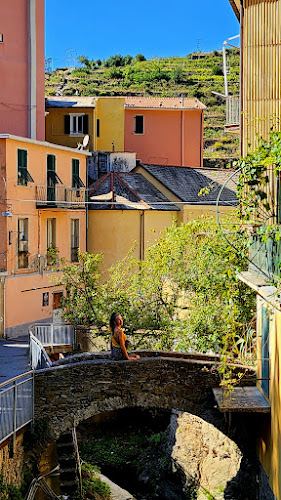
Cinque Terre is a string of five colorful, traffic-free fishing villages clinging to the cliffs of the Italian Riviera in Liguria, all linked by a scenic coastal railway and connecting hiking trails.
Monterosso al Mare has the only proper sandy beach, Vernazza its photogenic harbor, mountaintop Corniglia its quiet perch, romantic Manarola its iconic cliffside viewpoint, and lively Riomaggiore its dramatic seafront. Hike the cliff paths between villages, swim in the Ligurian Sea, and feast on fresh pesto, anchovies, and seafood.
The best times to visit are May to early June and September to October, with pleasant weather, fewer crowds, and ideal hiking conditions; July and August bring heat and packed trains. The Cinque Terre Express train hops between villages in minutes. Two to three days is enough to see all five and tackle a hike or two.
Affiliate placeholder: Compare accommodation options after checking the official property details, location, and cancellation terms.
Affiliate placeholder: Check current activity availability, meeting points, accessibility, and cancellation terms before reserving.
Sources and current planning links
Explore more destinations.ai travel guides when building a longer route.
How to plan a Cinque Terre visit
Cinque Terre is a Ligurian coastal park made up of Monterosso al Mare, Vernazza, Corniglia, Manarola, and Riomaggiore, best planned with trains, selected trails, sea views, and realistic time for steep terrain. It is not one resort town, and the villages are not interchangeable. Decide whether your priority is hiking, swimming, photography, food, or a quieter base before booking.
The National Park’s current trail information warns that routes can resemble mountain paths, require suitable footwear, and change with weather or maintenance. Check the official trail status, Cinque Terre Card details, train information, marine conditions, and welcome-center advice immediately before a hike. A closed coastal section does not mean the whole park is closed; it does mean you need another route.
What are the best things to do in Cinque Terre?
The best things to do in Cinque Terre are walking the villages, taking a train or boat for the coastline views, exploring terraced landscapes, swimming where safe, eating Ligurian food, and choosing one trail that matches your ability. The famous route is only one part of the park’s network.
Riomaggiore has a steep harbor setting, Manarola is known for its cliffside view and lanes, Corniglia sits above the sea, Vernazza wraps around a small harbor, and Monterosso offers more room and a stronger beach option. Walk slowly through each village, keep clear of doorways, and remember that residents use the same narrow streets for daily life.
The terraced hills are agricultural landscapes, not an empty theme park. Stay on marked trails, do not climb walls or enter vineyards, and carry your own water and waste. Viewpoints can be crowded and exposed; give other walkers space and do not block a path for a photograph.
A boat trip can show the villages and cliffs from the protected marine area, but service and sea conditions change. Confirm the current timetable, operator, life jackets, shade, return options, and accessibility. Swimming belongs only in designated or locally accepted areas with safe conditions; never jump from a cliff because another visitor did.
Which Cinque Terre trail should you hike?
Choose a Cinque Terre trail by current status, distance, elevation, surface, weather, footwear, and your own hiking experience—not by the view promised in an old itinerary. The Park’s live trail page is the authority for closures, difficulty, and current notices.
The coastal paths between Monterosso, Vernazza, Corniglia, and the other villages can involve steep steps, exposed sections, and uneven rock. Proper closed shoes with a non-slip sole are essential, and open sandals are a poor choice. Carry water, sun protection, a light rain layer, and an offline map even when you plan to use the train.
Via dell’Amore and other headline sections may use a current reservation, guide, or separate access arrangement. Check the Park and municipal notices for the day you want to go. If a path is closed, choose an official high route, village walk, train-and-viewpoint plan, or boat instead of an unofficial shortcut.
Where should you stay in Cinque Terre?
Stay in Monterosso for more room and beach access, Vernazza or Manarola for dramatic village atmosphere, Corniglia for a quieter hill setting, Riomaggiore for harbor views, or La Spezia or Levanto for easier transport and more space. The “best” village depends on stairs, luggage, price, and your tolerance for crowds.
Village accommodation is atmospheric but often involves steep lanes, stairs, small rooms, and limited vehicle access. La Spezia can simplify rail connections and dining, while Levanto offers a practical base outside the five villages. Confirm the exact address, luggage route, check-in hours, lift, air conditioning, bathroom, breakfast, noise, and cancellation terms.
Travelers with mobility needs should ask about stairs from the station, platform access, accessible rooms, boat boarding, beach routes, and alternative viewpoints. Do not assume that a train station in a village means every street beyond it is level.
What food should you try in Cinque Terre?
Eat in Cinque Terre for Ligurian pesto, focaccia, fresh anchovies, seafood, seasonal vegetables, local pasta, gelato, and wines shaped by the terraced coast. The best meal may be a simple plate in a village rather than a restaurant with the most dramatic online photograph.
Ask what is fresh and where the fish came from, especially in small harbors. Try pesto with the local pasta style offered, but do not assume every recipe or restaurant is identical. Wine tastings and vineyard visits need a sober transport plan, advance booking, and a check of the current harvest or cellar schedule.
Carry water and a snack on trails, because village shops and cafés may not be open on the route or at the hour you expect. Tell servers about allergies, shellfish, nuts, gluten, and dairy. Keep food and packaging out of the park and marine area.
When is the best time to visit Cinque Terre?
Spring and early autumn often offer a useful balance of hiking weather and lighter crowds, while summer brings busy trains and hot exposed paths and winter brings quieter streets with more variable service. Check the forecast and trail page for the dates you actually plan to hike.
Rain can make stone paths slippery and trigger closures, while hot sun makes the same climb much harder. Start early, avoid the hottest hours, and protect the return connection. Festivals, weekends, cruise arrivals, and school holidays can alter village crowding and accommodation demand.
How do you get to Cinque Terre and get around?
Reach Cinque Terre through La Spezia or Levanto by rail, then use trains, walking, and seasonal boats to connect the villages. Check current Trenitalia, Park, and boat information for timetables, disruptions, tickets, and the last return service.
The train is usually the practical backbone, but platforms, steps, crowds, and luggage can be difficult. Cinque Terre Cards may combine selected trail and transport services; confirm the current version, zones, validity, and included routes before purchasing. Do not board on the assumption that a ticket from a previous season still applies.
Cars are inconvenient inside the villages and parking is limited. If you arrive by car, verify the property’s instructions and leave it outside the most restricted core. Boats are beautiful but weather-dependent, so keep a train fallback and do not schedule a flight immediately after a sea crossing.
Is Cinque Terre good for families?
Cinque Terre can suit families when the plan favors trains, beaches or village walks, short trail sections, shade, snacks, and realistic stair expectations. The full coastal hike is not a default family activity, especially in heat or after rain.
Confirm stroller access, station lifts, child fares, toilets, boat boarding, swimming conditions, and room layout. A baby carrier may be more practical than a stroller on steep lanes, but it is not a substitute for judging heat and exertion. Keep children away from cliff edges, tracks, harbor water, and agricultural walls.
What day trips can you take from Cinque Terre?
La Spezia, Levanto, Portovenere, and selected Ligurian towns make useful additions to Cinque Terre, but each needs current train, ferry, weather, and return checks. A day trip is most useful when it gives you a different landscape or a quieter meal rather than another crowded viewpoint.
Portovenere can add a striking harbor, churches, and coastal setting, while La Spezia provides museums, food, and a practical rail base. Check whether a boat runs on your date and keep the train route available. Do not add a distant city just because it appears close on a map; Italian regional connections can take time.
How many days do you need in Cinque Terre?
Plan three days for the five villages, one or two carefully selected trail sections, food, and a sea or beach experience; add a fourth day for a weather buffer or Ligurian day trip. Two days can work, but only with a focused route and no assumption that every trail will be open.
- Day one: Settle into your base, explore one or two villages by train, and eat near a harbor without rushing the evening.
- Day two: Check the live trail status and hike one suitable section, then use the train for a second village or a swim.
- Day three: Visit the remaining villages by rail or boat if operating, or add a market, museum, vineyard, or slower coastal walk.
- Extra days: Keep a rain or closure buffer, then choose La Spezia, Levanto, Portovenere, or another researched Ligurian route.
Is Cinque Terre worth visiting?
Cinque Terre is worth visiting when you want a living coastal landscape where villages, trains, terraced agriculture, sea, food, and demanding paths share the same narrow strip of Liguria. Its beauty is more satisfying when you accept its limits instead of expecting a frictionless resort.
Use the National Park’s current trail, card, marine, and visitor information for the details that change. Wear proper shoes, travel lightly, respect residents and farms, and let safety decide the route.
For a longer regional route, compare Milan, Italy, Rome, Italy, Nice, France with this destination before finalizing your itinerary.
Frequently asked questions
What is Cinque Terre, Liguria best known for?
Cinque Terre is a string of five colorful, traffic-free fishing villages clinging to the cliffs of the Italian Riviera in Liguria, all linked by a scenic coastal railway and connecting hiking trails.
When is the best time to visit Cinque Terre?
The best times to visit are May to early June and September to October, with pleasant weather, fewer crowds, and ideal hiking conditions; July and August bring heat and packed trains.
How many days should you spend in Cinque Terre?
Plan about 3 days for a first visit, then add time if you want to explore beyond the central sights.
How should you get around Cinque Terre?
Stay in Monterosso for more room and beach access, Vernazza or Manarola for dramatic village atmosphere, Corniglia for a quieter hill setting, Riomaggiore for harbor views, or La Spezia or Levanto for easier transport and more space.
What should you book ahead in Cinque Terre?
Decide whether your priority is hiking, swimming, photography, food, or a quieter base before booking.
Explore Cinque Terre by Category: Discover top curated spots across Cinque Terre Attractions & Sightseeing, Best Places to Stay in Cinque Terre, Cinque Terre Restaurants & Dining.