Editorial disclosure: This destinations.ai guide was prepared with AI assistance and checked against the official sources linked below. Accommodation and activity placeholders may use affiliate links; that does not change the planning advice.
Overview: Why Visit Zurich
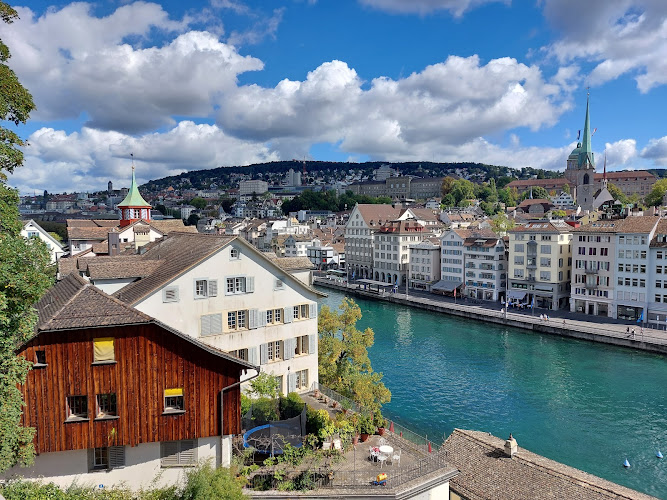
Zurich, Switzerland’s largest city and cultural epicenter, sits picturesquely at the northern tip of Lake Zurich where the Limmat River flows out toward the Alps. Seamlessly blending a pristinely preserved medieval Old Town (Altstadt) with dynamic contemporary arts, Michelin-starred gastronomy, and trendsetting industrial quarters like Zurich West, Zurich consistently ranks among the world’s most livable and visitor-friendly urban destinations.
Far from being just a global financial hub, Zurich is an outdoor lover’s playground where crystal-clear alpine waters invite lake swimming right in the city center, and panoramic mountain lookouts like Uetliberg are just a 20-minute train ride away.
Best Time to Visit Zurich
Quick answer: Summer (June to August): The liveliest season. Temperatures average 23°C to 28°C (73°F to 82°F). The city’s iconic historic river and lake public baths (Badis) transform into sunbathing hubs by day and open-air bars by night. August brings the world-famous Street Parade, one of Europe’s largest open-air electronic music festivals.
- Summer (June to August): The liveliest season. Temperatures average 23°C to 28°C (73°F to 82°F). The city’s iconic historic river and lake public baths (Badis) transform into sunbathing hubs by day and open-air bars by night. August brings the world-famous Street Parade, one of Europe’s largest open-air electronic music festivals.
- Autumn (September to October): Crisp, sunny days with mild temperatures (14°C to 20°C / 57°F to 68°F) and golden foliage surrounding Lake Zurich. Ideal for museum visits, vineyard tours along the Goldcoast, and hiking along the Uetliberg ridge.
- Winter (December to February): Festive and atmospheric. Zurich transforms with enchanting holiday markets at the Hauptbahnhof (featuring a Swarovski crystal tree), Münsterhof, and Bellevue’s Wienachtsdorf. Nearby ski resorts in the central Swiss Alps are accessible within 60–90 minutes by train.
- Spring (April to May): Cherry blossoms frame the Limmatquai and the historic Sechseläuten festival takes place in April, where the symbolic Böögg snowman effigy is burned to celebrate the arrival of spring.
Key Neighborhoods & Highlights
Quick answer: Altstadt & Lindenhof: The historic core divided by the Limmat River into the Rathaus and Lindenhof quarters. Walk up to Lindenhof Hill, the site of a 4th-century Roman fort, for sweeping views over the Grossmünster, Fraumünster, and the riverfront.
- Altstadt & Lindenhof: The historic core divided by the Limmat River into the Rathaus and Lindenhof quarters. Walk up to Lindenhof Hill, the site of a 4th-century Roman fort, for sweeping views over the Grossmünster, Fraumünster, and the riverfront.
- Grossmünster & Fraumünster: Zurich’s iconic landmark twin-towered Grossmünster cathedral, steeped in Protestant Reformation history, and the Fraumünster Abbey, celebrated internationally for its five magnificent stained-glass windows designed by Marc Chagall.
- Bahnhofstrasse & Paradeplatz: One of the world’s most exclusive shopping boulevards, stretching 1.4 kilometers from the main train station down to Lake Zurich, lined with luxury watchmakers, haute couture boutiques, and historic confiseries.
- Lake Zurich (Zürichsee) & Bürkliplatz: Stroll the tree-lined lake promenades, rent a paddleboat, or embark on a panoramic round-trip passenger cruise with views extending to the Glarus Alps.
- Lindt Home of Chocolate (Kilchberg): An interactive chocolate museum featuring the world’s largest freestanding chocolate fountain (over 9 meters high), chocolate-making workshops, and extensive tastings.
- Uetliberg (871 m): Zurich’s “home mountain.” Accessible via the S10 train from the central station, offering an observation tower with panoramic views over the city, lake, and the snow-capped Alps.
- Zürich West (Industriequartier): The creative former industrial district now filled with trendy boutiques under the brick railway arches of Im Viadukt, the iconic Freitag flagship container tower, and the vibrant open-air garden bar Frau Gerolds Garten.
- Kunsthaus Zürich: Switzerland’s largest art museum, featuring the Chipperfield extension housing major collections of modern art, French Impressionism, Alberto Giacometti sculptures, and classic masters.
Suggested 3-Day Zurich Itinerary
Quick answer: Day 1: Old Town Heritage & Lake Views. Begin at the Hauptbahnhof and stroll down historic Rennweg to Lindenhof Hill for panoramic photos. Cross the river to explore the cobblestone alleys of Niederdorf, tour the Grossmünster, and visit Fraumünster for Chagall’s windows. In the late afternoon, enjoy a 90-minute Lake Zurich boat cruise, ending with dinner at a historic guild house (Zunfthaus).
- Day 1: Old Town Heritage & Lake Views. Begin at the Hauptbahnhof and stroll down historic Rennweg to Lindenhof Hill for panoramic photos. Cross the river to explore the cobblestone alleys of Niederdorf, tour the Grossmünster, and visit Fraumünster for Chagall’s windows. In the late afternoon, enjoy a 90-minute Lake Zurich boat cruise, ending with dinner at a historic guild house (Zunfthaus).
- Day 2: Chocolate, Art & Mountain Vistas. Take a morning boat to Kilchberg to visit the Lindt Home of Chocolate. Return to the city for lunch and an afternoon exploring the Kunsthaus Zürich art museum. In the late afternoon, catch the S10 train to Uetliberg to catch sunset over the Alps from the summit observation deck.
- Day 3: Industrial Chic & Day Trip Options. Explore the trendy Viadukt and Frau Gerolds Garten in Zürich West. In the afternoon, take a 45-minute train ride to witness Europe’s largest waterfall, the Rhine Falls (Rheinfall) at Schaffhausen, or take a scenic excursion to medieval Lucerne.
Local Cuisine & Culinary Specialties
Quick answer: Zürcher Geschnetzeltes: Zurich’s quintessential dish consisting of tender strips of sautéed veal simmered in a rich cream, white wine, and mushroom sauce, traditionally served alongside a golden, crispy potato Rösti.
- Zürcher Geschnetzeltes: Zurich’s quintessential dish consisting of tender strips of sautéed veal simmered in a rich cream, white wine, and mushroom sauce, traditionally served alongside a golden, crispy potato Rösti.
- Luxemburgerli: Light, airy, bite-sized mini-macarons filled with fresh buttercream in flavors like Champagne, dark chocolate, bourbon vanilla, and salted caramel, exclusively crafted by Confiserie Sprüngli on Paradeplatz.
- Bircher Muesli: The world-famous breakfast blend of rolled oats, grated fresh apples, condensed milk, hazelnuts, and berries, originally developed in Zurich in 1900 by physician Maximilian Bircher-Benner.
- Zürich Fondue & Raclette: Regional Swiss cheese specialties enjoyed at rustic taverns like Le Dézaley or winter fondue chalets along the lake.
Practical Travel Tips & Costs
- Public Transportation (ZVV): Zurich boasts one of the most efficient public transport networks in the world. Trams, buses, riverboats (Limmat boats), and commuter trains run seamlessly. Purchase a 24-hour or 72-hour Zürich Card for unlimited second-class transit across zones 110/111/121/140/150 plus free or discounted admission to over 40 museums.
- Daily Budget Estimates:
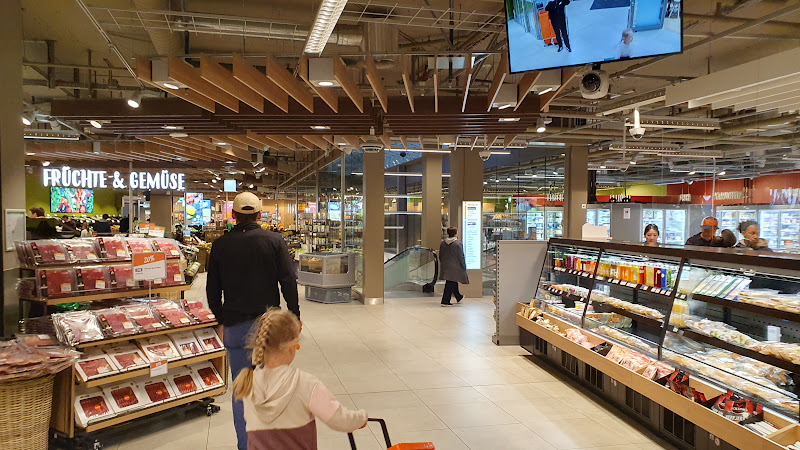
- Budget traveler: compare current low-cost lodging, meals, and free attractions before booking (hostels, picnic lunches from Coop/Migros supermarkets, free walking tours and lake swimming).
- Mid-range traveler: allow for a comfortable hotel, paid attractions, and sit-down meals, then check current prices (3-star boutique hotel, Zurich Card, traditional restaurant dining, museum admissions).
- Luxury traveler: –,500+ USD/day (5-star waterfront hotels like Baur au Lac or The Dolder Grand, Michelin-starred gastronomy, private chauffeur excursions).
- Cashless Society: Zurich is almost completely cashless. Contactless credit cards, debit cards, and Apple Pay / Google Pay are accepted everywhere, from luxury retailers to small farmers markets and ticket vending machines.
- Free Mountain Spring Water: Over 1,200 public decorative fountains across Zurich provide continuous, potable, ice-cold mountain spring water. Carry a refillable water bottle to stay hydrated at zero cost.
Frequently Asked Questions
Is English widely spoken in Zurich?
Yes. While the official language is Swiss German (Schwyzerdütsch), English is spoken fluently by virtually all hospitality staff, shopkeepers, transit employees, and locals throughout the city.
How far is Zurich Airport (ZRH) from the city center?
Zurich Airport is exceptionally convenient, located just 10 kilometers north of the city. Direct trains run every 5 to 10 minutes from the airport underground station to Zurich Hauptbahnhof (main station), taking just 9 to 12 minutes.
Is Zurich expensive to visit?
Zurich is one of the pricier European cities, but travelers can easily control costs by purchasing a Zurich Card for transit and attractions, taking advantage of free public swimming Badis and lake promenades, and enjoying freshly prepared meals from Swiss grocery chains like Migros and Coop.
Affiliate placeholder: Compare accommodation options after checking the official property details, location, and cancellation terms.
Affiliate placeholder: Check current activity availability, meeting points, accessibility, and cancellation terms before reserving.
Sources and current planning links
Explore more destinations.ai travel guides when building a longer route.
How to divide a first trip to Zurich
A first Zurich itinerary is easiest when it separates the Old Town and lake from one higher viewpoint, one modern neighborhood, and one optional day trip. The city is efficient, but the surrounding choices can turn a three-day visit into a rushed checklist. Use the river and Hauptbahnhof as orientation points, then choose experiences that suit the weather and the group’s energy.
Explore Altstadt at a human pace
Begin around Lindenhof, the Limmatquai, Grossmünster, and the lanes of Niederdorf. Fraumünster’s Chagall windows and the city’s churches are interior visits as well as photo stops, so check opening arrangements and any photography rules. Bahnhofstrasse is useful for understanding Zurich’s commercial side, but it does not need to consume the whole afternoon. Cross the river, pause for coffee, and let the route follow the architecture rather than every shop.
Add the lake and Zurich West
Lake Zurich gives the city a different rhythm. A walk along the water, a swim where permitted, or a current boat schedule can make a useful contrast to Old Town stone. Zurich West, around the Viadukt and former industrial spaces, is better for contemporary architecture, design, food, and nightlife. Choose the lake or West for the evening based on weather rather than trying to cross the city repeatedly.
Is Uetliberg worth visiting?
Uetliberg is worth adding when the forecast offers clear views and the group wants an easy city escape rather than a full alpine excursion. The viewpoint looks over Zurich, the lake, and the surrounding landscape, while nearby walks vary in length and surface. Cloud or haze can remove the panorama, so keep a museum, lake, or neighborhood alternative ready.
Use the current Zürich public-transport connection and check the final walking section before departure. The route may be manageable for many visitors but is not automatically suitable for every wheelchair, stroller, or traveler who avoids slopes. Bring a layer and shoes appropriate for the season; a city forecast does not always describe the hilltop conditions.
How to use Zurich public transport and the Zürich Card
Public transport is usually the simplest way to combine Zurich’s center, lake, airport, and viewpoints, but the best ticket depends on the exact zones and number of journeys. Before buying a pass, map the days rather than assuming an attraction card automatically saves money. Check the current validity, zones, discounts, museum list, and airport coverage through Zürich Tourism or the official transport channel.
Zurich Hauptbahnhof is the main orientation point for city trains and regional excursions. Trams are convenient for longer cross-city connections, while walking often wins within the Old Town. Validate or activate the product as required, keep the ticket available for inspection, and allow extra time when a museum reservation is tied to a train.
Which Zurich day trips are realistic?
Lucerne, Rhine Falls, and nearby lake or mountain destinations can work as day trips, but each uses enough time to replace a Zurich neighborhood day. Pick one rather than combining several famous names into a single rail itinerary. Check the current timetable, platform, return frequency, weather, and reservation requirements before departure.
Rhine Falls suits travelers who want a dramatic natural stop with straightforward rail access. Lucerne adds a historic center and lake setting, while a nearby mountain excursion depends more heavily on visibility and operating conditions. If the forecast is poor, Zurich’s museums, food markets, design spaces, and lakefront still provide a complete day.
What to eat in Zurich
Try Swiss dishes such as rösti, fondue, raclette, seasonal pastries, and regional chocolate while also making room for Zurich’s international food scene. A traditional meal is best planned for a slower evening because fondue and raclette are social, filling dishes rather than quick attractions. Ask whether a menu is served year-round and confirm dietary options directly.
Zurich can be expensive, so use bakeries, market counters, lunch specials, and cafés to balance a restaurant dinner. Lindt Home of Chocolate is outside the historic center; check current tickets, workshop times, and transit before treating it as a short stop. Named menus and prices in older travel articles should be verified at the venue.
Where to stay in Zurich
Stay in or near the Old Town for evening atmosphere, around the main station for connections, near the lake for a quieter setting, or in Zurich West for contemporary dining and nightlife. The right base is the one that minimizes the trip’s first and last transfers. Compare tram noise, stairs, air conditioning, luggage storage, breakfast timing, and cancellation terms before booking.
Zurich is a good city for travelers who prefer a predictable base and day trips by rail. If the itinerary includes an early airport departure, an outlying hotel may be less convenient even when the room is cheaper. Ask the property about the nearest stop and late arrival process rather than relying on a map pin alone.
A practical three-day Zurich itinerary
Three days cover the historic center, lake and Zurich West, plus either Uetliberg or one carefully chosen day trip. Swap outdoor plans when clouds or rain make the view unreliable.
- Day one: Walk Lindenhof, Niederdorf, Grossmünster, Fraumünster, and Bahnhofstrasse, then eat in the Old Town or along the Limmat.
- Day two: Visit the lakefront, take a confirmed boat or swim option, and continue to Zurich West for the Viadukt, design, or dinner.
- Day three: Choose Uetliberg in clear weather, or take a day trip to Lucerne or Rhine Falls after checking the current rail and attraction details.
Zurich accessibility and seasonal planning
Many central transport connections are practical, but access depends on the specific tram, station, hotel, museum, boat, and viewpoint route. Contact each provider if the group needs step-free boarding, a lift, an accessible bathroom, seating, or a route without steep surfaces. Historic lanes can be uneven even when the destination is compact.
Summer supports lake time and longer daylight, while winter brings markets, snow possibilities, and shorter outdoor windows. Spring and autumn are useful shoulder seasons but can be changeable. Check the current official Zürich Tourism visitor information for transport products, events, museums, and seasonal conditions before fixing the itinerary.
For a longer regional route, compare Lucerne, Switzerland, Zermatt, Switzerland, Colmar, France with this destination before finalizing your itinerary.
Explore Zurich by Category: Discover top curated spots across Zurich Attractions & Sightseeing, Best Places to Stay in Zurich, Zurich Restaurants & Dining.