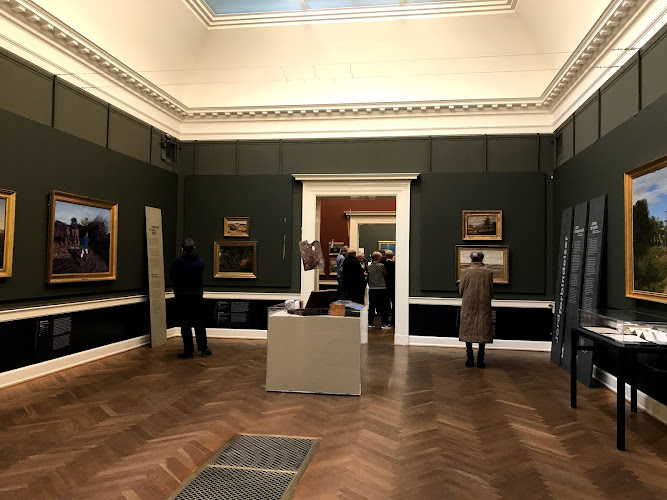
Designmuseum Denmark is Denmark’s national museum of design at Bredgade 68, 1260 København K, in Copenhagen’s elegant Frederiksstaden district. Founded in 1890, it explores Danish and international design—from furniture and fashion to graphics, craft and industrial objects—inside the former Royal Frederik’s Hospital, an 18th-century rococo complex. Travelers come to understand the ideas behind Danish Modern, see influential objects at close range and experience a landmark building whose calm courtyards and galleries are part of the visit.
What to Expect at Designmuseum Denmark
The museum’s collection is particularly strong on the furniture, materials and everyday objects that shaped Denmark’s international design identity. Look for Danish Modern and the evolution of the Danish chair, alongside works by names associated with the country’s 20th-century design culture, including Arne Jacobsen, Hans J. Wegner, Poul Henningsen and Verner Panton. Collections also reach beyond furniture, with fashion and textile design, posters and graphic design, Japanese design, ceramics, glass and industrial products providing useful context for how objects are conceived, made and used.
The setting rewards slow looking. The museum occupies the former Royal Frederik’s Hospital, built in the 1750s as part of Frederiksstaden’s planned rococo quarter; its orderly wings, interior courts and period architecture create a striking counterpoint to experimental contemporary design. Temporary exhibitions change the pace of a visit. From 18 September 2026 to 21 February 2027, Henrik Vibskov: The Exhibition surveys 25 years of the Danish designer’s fashion, music, art and installation practice, with models, objects, prototypes and immersive installations. A separate presentation of Verner Panton classics marks the designer’s centenary and is scheduled through the end of 2026.
- Danish Modern furniture: Trace the forms, craftsmanship and social ideals behind Denmark’s globally influential postwar design.
- The Danish chair: Compare chair typologies and see why seating became a defining Danish design export.
- Verner Panton universe: See iconic Panton furniture during the museum’s centenary-year presentation, scheduled through 2026.
- Henrik Vibskov exhibition: Enter a large-scale, multisensory survey of the designer’s installations, fashion and studio work through 21 February 2027.
- Rococo hospital complex: Pause in the historic courtyards and notice the 18th-century architecture framing the galleries.
Designmuseum Denmark at a Glance
| Detail | Information |
|---|---|
| Address | Bredgade 68, 1260 København K, Denmark |
| Neighborhood / Area | Frederiksstaden, between Marmorkirken and the waterfront at Nyhavn |
| Operating Hours | Tuesday–Wednesday and Friday–Sunday 10am–6pm; Thursday 10am–8pm; closed Monday |
| Admission & Ticket Prices | Paid admission; current ticket categories and prices are listed on the official museum website. |
| Recommended Visit Duration | 1.5 to 2.5 hours; allow longer for a major temporary exhibition |
| Nearest Transit / Parking | Marmorkirken Metro station (M3/M4) is about an 8-minute walk; paid on-street parking is available in the area where signed. |
| Official Website / Phone | designmuseum.dk / +45 33 18 56 56 |
Visiting Tips, Getting There & Nearby Pairings
Arrive close to the 10am opening for the clearest run at the permanent displays, especially on weekends and during Copenhagen’s design-season events. Thursday’s later closing is useful for an unhurried after-work visit. Buy tickets through the museum’s official site before setting out, particularly when a major special exhibition or a talk, workshop or film screening is on the calendar. Check the exhibition dates carefully: temporary presentations may require a different amount of time than the core collection.
From Marmorkirken, walk east along Frederiksgade and turn onto Bredgade; the route is straightforward, although surrounding pavements are historic city surfaces. The museum has step-free wheelchair access, lifts connecting gallery levels and accessible toilet facilities; staff can direct visitors to the appropriate entrance and route in the listed historic building. Strollers are practical in the galleries, but allow extra time at busy exhibition thresholds. Pair the museum with Frederik’s Church (the Marble Church), around 8 minutes away on foot, Amalienborg Palace, about 10 minutes away, or the cafés and restaurants around Nyhavn, roughly 12–15 minutes away.
Frequently Asked Questions
When is Designmuseum Denmark open, and what is the best time to visit?
The museum is open Tuesday to Sunday from 10am to 6pm, with Thursday hours extended to 8pm, and is closed on Monday. Opening time and Thursday evening generally allow more space to study the galleries before the busiest parts of the day.
How much are tickets, and should I book ahead?
Admission is paid, with current prices and ticket categories published by the museum online. Booking ahead is sensible for weekends, school holidays and headline exhibitions; use the official website to buy tickets and confirm any event-specific arrangements.
How long should I budget for Designmuseum Denmark?
Plan 1.5 to 2.5 hours for the permanent collection and the historic building. Add 45 to 60 minutes if you want to engage fully with a large temporary show such as Henrik Vibskov’s installation-led exhibition, plus time for the café.
Is Designmuseum Denmark suitable for families and wheelchair users?
Yes. The object-focused displays and changing hands-on-style programming can work well for design-curious older children, while the museum provides step-free access, lifts and accessible facilities for wheelchair users. Contact the museum before arrival for assistance with the best entrance or a particular exhibition layout.
When planning your Copenhagen travel guide or comparing verified attractions and museums in Copenhagen, pair this stop with standout local spots including Tivoli Hotel, Restaurant Schønnemann, Nimb Hotel, and Medicinsk Museion (nearby).