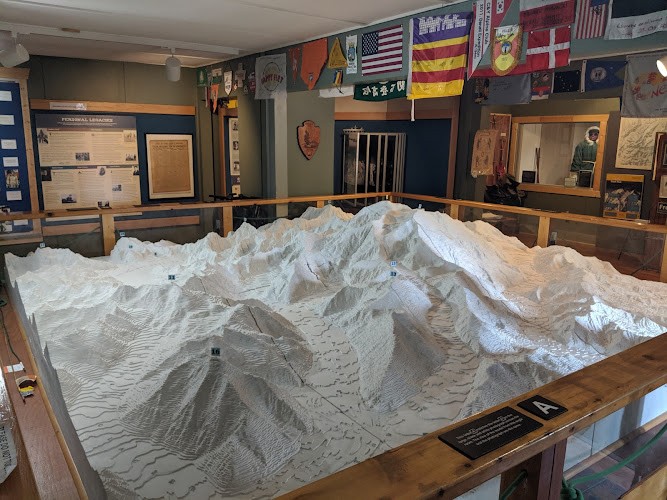
Denali National Park and Preserve is six million acres of tundra, braided rivers, spruce forest and glaciated peaks in Interior Alaska, centered on the tallest mountain in North America. The park entrance sits near the small settlement of Denali Park, along the Parks Highway between Anchorage and Fairbanks. With a 4.8 rating from more than 4,300 reviews, it is one of the most consistently loved parks in the country, and visitors tend to praise the same things: the bus, the animals and the sheer scale.
What makes Denali distinctive is how it is managed. A single Park Road runs deep into the wilderness, and beyond mile 15 private cars are not allowed. That keeps traffic low and the landscape intact. You see it from a bus window, on foot from a trailhead near the entrance, or by hopping off a transit bus and walking across open country. Expect to adjust your expectations: this is wild land, not a drive-through attraction.
Standout Highlights & What Not to Miss
Reviewers keep coming back to a handful of experiences. Here is where to focus your time.
- The Park Road bus ride. There is one road, 92 miles long, and past Savage River (mile 15) only buses, bikes and feet are allowed. Narrated Tundra Wilderness-style tours and cheaper hop-on, hop-off transit buses both run it. Current construction near Pretty Rocks limits how far buses go, so confirm the turnaround point when you book.
- Wildlife on open tundra. The tags say it all: moose, caribou, Dall sheep and grizzlies. With no trees to hide behind, bears digging roots on a hillside are visible from a long way off. Sightings are never guaranteed, but the odds are good on a full-day bus.
- Horseshoe Lake Trail. A roughly two-mile loop from the entrance area that drops to a quiet oxbow lake. Plan 1.5 to 2 hours. Beaver activity and the occasional moose make it the best easy walk near the visitor center.
- Savage River and Mountain Vista. Miles 13 to 15 are the farthest point you can reach in your own vehicle. A short riverside path suits families, and the Savage Alpine Trail is the strenuous one-way option.
- Denali Visitor Center and sled dog kennels. Exhibits and ranger programs orient you, and the park’s working sled dog kennels run demonstrations in summer, with a free shuttle serving them.
- The mountain itself. At just over 20,000 feet, Denali makes its own weather and is often cloaked in cloud. A clear view feels like a bonus, not a promise.
Visitor Strategy & Planning Snapshot
Logistics decide how good your Denali trip will be. This snapshot covers the factors that matter most.
| Planning Factor | What to Expect | Practical Strategy |
|---|---|---|
| Ideal Arrival Window | Early morning departures give the best light and animal activity; the entrance area is calmest before 9 a.m. | Book the earliest bus you can tolerate, and save lakeside walks for the evening, when summer daylight lingers late. |
| Typical Time Needed | A Savage River shuttle outing takes about 2 hours round trip; deep bus trips take 8 to 12 hours. | Allow at least two full days: one on a long bus, one on front-country trails. Three days improves your odds of seeing the peak. |
| Booking / Queue Reality | Park admission is paid, and eligible entrance passes are accepted. Buses and camping are billed separately and sell out in peak summer. | Reserve buses and campsites well ahead if your stay is under two days. Walk-up seats exist but may mean waiting a day or two. |
| Terrain & Accessibility | The entrance and parking areas are wheelchair accessible. Trails are mostly dirt, and the Park Road is gravel past mile 15. | Stick to the visitor center, paved Savage River road and rest areas if mobility is limited. Wear sturdy shoes elsewhere. |
| Weather / Seasonal Fit | Bus service runs roughly mid-May to mid-September. Weather swings fast, it is windier and cooler at Savage River, and mosquitoes peak in early summer. | Pack layers, rain gear, bug protection, water and food. Eat on the bus, not at rest stops, since food scents attract wildlife. Late August brings fall color. |
One practical note: all buses beyond the front country are run by a concessionaire, not the National Park Service, so reserve through the official park-linked booking channels, and check current road status before you finalize plans.
Honest Trade-Offs: Best For vs. Who Might Skip
Denali is best for travelers who value wildlife, solitude and big landscapes, and who accept that a long bus ride on a gravel road is the main event. Hikers who like to step off a transit bus into trail-free tundra will find freedom here that few parks offer. Families can enjoy the short trails, the sled dog demonstration and the free shuttles without committing to a full day. Photographers do well with early departures and patience.
It is a weaker fit if you want a quick drive-up scenic stop, since the front country is modest compared with the interior. Bus days are long, bumpy and chilly, and the mountain may stay hidden behind clouds for your whole stay. Wildlife sightings are possible but never guaranteed, and bugs can be relentless in early summer. If you only have a few hours, ride the free Savage River Shuttle and walk Horseshoe Lake rather than forcing a deep-park trip.
Neighborhood Context & How to Pair Your Visit
The entrance area works well as a half-day loop. Start at the Denali Visitor Center for orientation and ranger programs, then walk to the Horseshoe Lake Trail, which departs near the railroad depot area. Afterward, catch the free Riley Creek Loop Shuttle to the sled dog kennels for a demonstration, or board the Savage River Shuttle for a 2-hour round trip with a short riverside stroll at mile 15. The settlement just outside the gate has lodging, restaurants and tour desks, and flightseeing operators can add an aerial view of the Alaska Range. Pack your own food and water for the park, since services inside are limited.
When planning your Denali National Park travel guide or browsing verified hotels in Denali National Park, pair this stop with standout local spots including Explore Denali Rafting, Denali Park Zipline, Denali Bluffs, and The Shack (0.1 km away).