Editorial disclosure: This destinations.ai guide was prepared with AI assistance and checked against the official sources linked below. Accommodation and activity placeholders may use affiliate links; that does not change the planning advice.
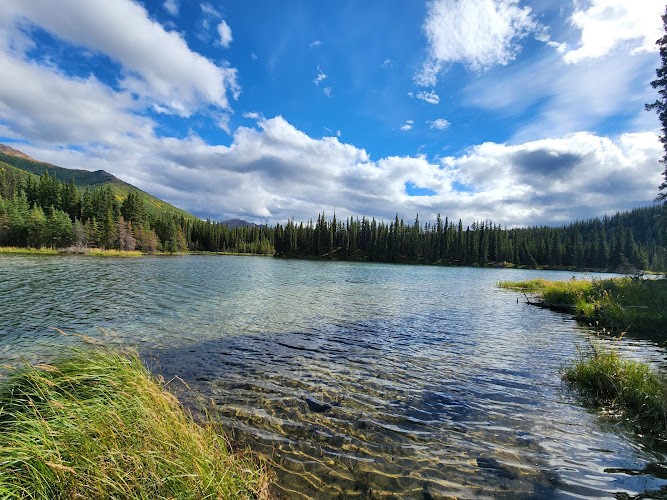
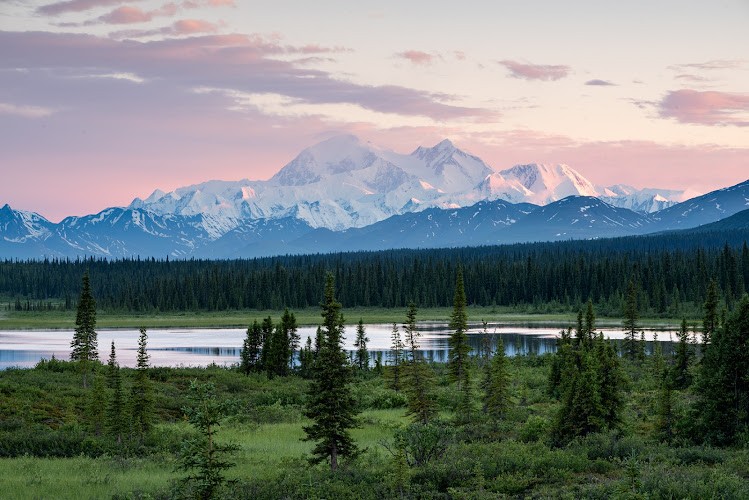
Denali National Park and Preserve sits in Interior Alaska, United States, protecting a vast sweep of boreal forest, braided rivers, tundra, glaciers, and North America’s highest peak. You come for the possibility of seeing Denali at 20,310 feet, yet the park’s wildlife, scale, and road-based access system shape your visit just as much as the mountain itself.
Your most rewarding Denali trip pairs one full day on a park bus with extra time for the visitor center, a frontcountry hike, and flexible weather plans. Clouds frequently conceal the summit, so treat every clear view as a bonus while focusing on the landscapes and wildlife visible all around you.
This Denali National Park travel guide helps you plan for an Alaska destination where schedules, road conditions, lodging availability, and seasonal services all deserve attention before you arrive.
Key Takeaways
- Reserve a park bus early for your best access to the Denali Park Road.
- Stay two or three nights to leave room for weather and wildlife viewing.
- Pack warm layers and rain protection in every summer month.
Quick Answers and Trip Profile
Denali rewards you with wilderness on an immense scale, and you should allow at least two nights near the entrance for a satisfying first visit. The park lies about 240 miles north of Anchorage on the George Parks Highway and is reached by road, rail, scheduled transfers, or an Alaska road trip.
- Best first-trip length: Two nights and one full day, with three nights giving you a stronger weather buffer.
- Signature experience: A narrated tour or flexible transit bus journey on Denali Park Road.
- Best season for most visitors: Late May through early September, when summer buses and visitor services operate.
- What you may see: Grizzly bears, moose, caribou, Dall sheep, foxes, birds, and, with exceptional luck, wolves.
- Driving reality: Private vehicles reach Savage River at Mile 15 during the summer access period; access farther west uses buses, bicycles, or your own feet.
Denali is a park where you spend substantial time looking through a bus window, then step out into wind, rain, and wide-open country. Bring binoculars, a refillable water bottle, food for longer outings, waterproof outer layers, insulating clothing, and footwear suited to wet ground.
The road is the park’s central travel corridor. It extends 92 miles toward Kantishna, though operational access changes with maintenance, weather, and the ongoing management of the Pretty Rocks landslide area. Check the official Denali trip-planning updates before committing to a specific bus destination or itinerary.
Best Things to Do
Your best use of time is to combine a bus trip into the park with short walks and ranger-led activities near the entrance. Wildlife sightings improve as you travel farther along the road, though every animal encounter remains unpredictable.
- Ride Denali Park Road: Book a narrated tour if you want interpretation and scheduled stops, or use a transit bus if you want to get off for day hiking and reboard later. The official guide to exploring Denali by bus describes transit buses as the flexible choice for hikers and campers.
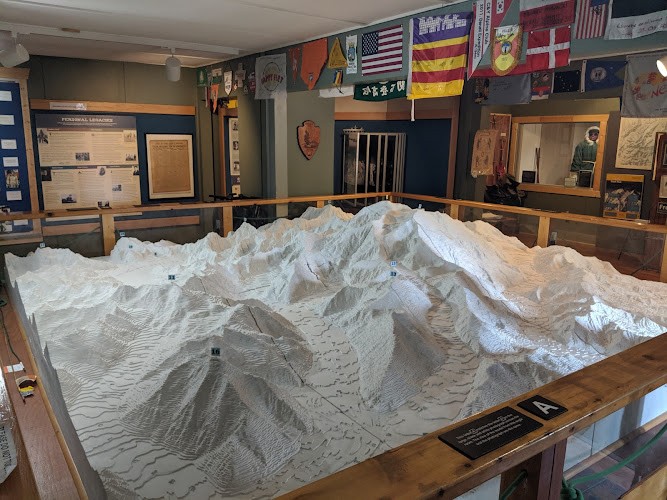
- Visit the Denali Visitor Center: Start with the park film, exhibits, maps, ranger advice, and current conditions. A stop at the Denali Visitor Center helps you choose trails that fit the day’s weather and your group’s ability.
- Walk the Savage River area: The paved road to Savage River gives you access to river scenery, trailheads, picnic areas, and a useful first look at the park’s open landscape.
- See the working sled dogs: Denali’s kennels preserve a working tradition, with dogs supporting winter patrols in terrain where motorized travel is limited. Check the park calendar for seasonal demonstrations and shuttle details.
- Join a ranger program: Ranger talks and discovery hikes add context on wildlife behavior, tundra travel, glaciers, and park history. Activity schedules shift through the season.
- Take a flightseeing trip outside the park: Air tours from the Denali area or Talkeetna show glaciers and high peaks from a perspective unavailable from Park Road. Book only with an operator whose weather, landing, and cancellation policies suit your trip.
Keep your expectations grounded around the summit. Denali creates its own weather and is hidden by cloud cover on many days. If visibility is good, pullouts near the entrance and Mountain Vista offer early opportunities to look for the mountain.
History, Culture, and Local Character
Denali carries thousands of years of human history, shaped by Indigenous communities, subsistence travel, scientific exploration, climbing, conservation, and mining. People have lived on lands within today’s park boundaries for perhaps 12,000 years, as documented through the park’s history and culture program.
The name Denali comes from Koyukon Athabascan language and is widely translated as “the high one.” Use the visitor center and ranger programs to place the mountain within living Alaska Native cultures, whose connections to this region extend far beyond the modern park boundary.
The original Mount McKinley National Park was established in 1917 largely to protect Dall sheep. Congress expanded and renamed the park in 1980, creating Denali National Park and Preserve and enlarging protection to about six million acres. That scale helps explain why you experience the landscape through a single managed road rather than a web of scenic drives.
Kantishna adds another layer. The district became associated with gold mining, and the historic Kantishna Roadhouse represents the area’s 1920s mining-era revival. You will find the fullest historical context through the park’s Kantishna and park history materials.
Outside the entrance, the local character is seasonal and practical. The highway corridor gathers hotels, cabins, tour desks, small restaurants, and transport providers during summer. Healy, north of the park, offers a more year-round base for groceries, fuel, and services.
Neighborhoods, Parks, and Outdoor Activities
Denali has no conventional neighborhoods inside its wilderness core, so choose your base by access: the park entrance for buses and ranger facilities, Healy for everyday services, or a backcountry campground for immersion. Your hiking plan should match the weather, daylight, transport schedule, and your ability to navigate unmaintained terrain.
The entrance area: Stay near the visitor center when you want easy access to free shuttles, the railroad depot, park programs, and early bus departures. This is the most convenient choice for a short first visit.
Savage River and Mountain Vista: These frontcountry areas provide accessible scenery and trail options along the publicly driveable part of Park Road. Mountain Vista is a worthwhile stop when the summit appears through clear skies.
Healy: Use Healy when you want a wider range of practical services and a road-trip-friendly base. Allow extra driving time for bus departures and early morning activities near the entrance.
Hiking: Established trails near the entrance include short interpretive walks and longer routes such as Triple Lakes Trail. Farther along Park Road, transit-bus passengers may get off to hike, yet you are entering remote country with few built trails. Carry navigation tools, food, warm layers, rain gear, and enough time to catch a later bus.
For backcountry travel, learn bear-aware behavior, river-crossing risks, and terrain conditions before leaving developed areas. Overnight users need a backcountry permit and registration through the park; day hikers follow park rules without a day-hiking permit. The park’s current activities page is the right place to confirm seasonal programs and trail access.
Where to Stay and What to Eat
Stay near the Denali entrance when you have an early bus reservation, and choose Healy when you prioritize road-trip convenience and more routine services. Summer rooms and cabins fill well ahead of time, particularly around peak June through August travel dates.
- Park entrance and Canyon area: You will be close to visitor facilities, tour pick-ups, and many seasonal restaurants. Properties such as McKinley Chalet Resort place you near the entrance-area activity hub.
- Healy: You gain access to grocery stores, fuel, casual dining, and lodging that works well before or after a drive north toward Fairbanks.
- Campgrounds: Park campgrounds suit you if you have proper rain-ready equipment and reservations where required. Check campground opening dates, vehicle rules, and site availability before packing your tent.
- Backcountry lodging: Limited in-park lodges have unique access conditions and should be booked well ahead. Confirm current road access before choosing one.
Dining around the entrance is seasonal, with operating days and hours shifting as businesses open and close for the summer. Plan a grocery stop in Anchorage, Wasilla, or Healy if you have dietary needs, an early tour departure, or a long bus day. Keep trail snacks and water with you even when your tour includes food.
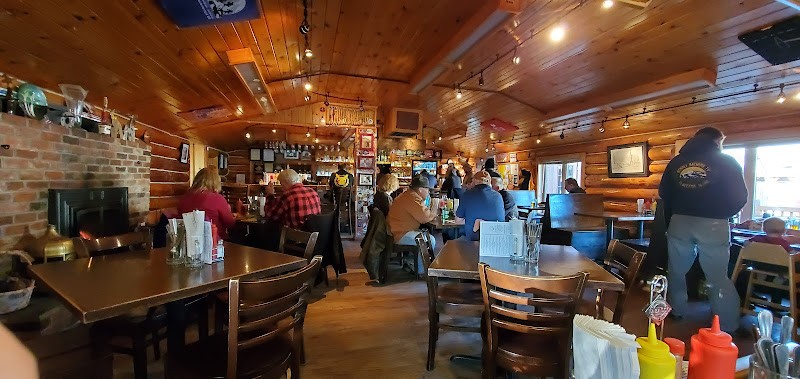
You will find casual Alaska staples, coffee, sandwiches, pizza, salmon dishes, and pub-style meals in the gateway area. A quick meal at Denali Doghouse fits well after an arrival-day walk, while a sit-down reservation works better for a peak-season evening.
How to Get There and Get Around
You reach Denali from Anchorage or Fairbanks via the George Parks Highway, the Alaska Railroad, or seasonal transportation packages. Anchorage is the most common gateway for southbound Alaska itineraries, while Fairbanks is useful if you are continuing through Interior Alaska.
Driving gives you the greatest flexibility before and after your park stay. The park entrance is near Mile 237 of Alaska Route 3, and you should allow time for construction, weather, wildlife on the road, fuel stops, and long distances between services. Rental vehicles are useful for reaching your lodging, though they do not replace a park bus for the interior.
The Alaska Railroad’s Denali stop provides a scenic arrival route in the main travel season. Confirm current timetables, baggage rules, and station transfers before booking accommodation. Scheduled motorcoach transfers connect major Alaska visitor destinations during summer, with availability varying by operator and date.
Inside the park, your transport choices are intentionally limited. During summer, you drive the first 15 miles of Park Road to Savage River. Free buses serve key areas around the entrance, while paid tours and transit buses travel into the restricted corridor. The park identifies three free bus types around the entrance area, with no reservations required.
Book transit buses when you want flexibility for hiking. Tour buses work well when you want a driver-led program and a structured day. Check exact routes, turnaround points, departure times, and accessibility features through the authorized reservation system before you make nonrefundable lodging or rail decisions.
Best Time to Visit and Seasonal Planning
Late May through early September is the best time for your first Denali visit because buses, trails, visitor facilities, and gateway lodging are most available. Roughly 600,000 people visit each year, primarily during this compressed summer season, so early reservations pay off.
Late May and early June: You get long daylight and the start of summer operations. Snow can linger, weather remains variable, and some services open on staggered schedules.
Late June and July: You get the fullest range of tours, activities, daylight, and lodging choices. This is also the busiest period. Bring a sleep mask for bright nights, insect repellent for mosquitoes, and waterproof layers for rain.
August: You retain strong access while entering cooler nights and early signs of seasonal change. Rain, mud, and changing road conditions call for flexible plans.
Early September: You may find fall color and fewer people, alongside colder weather and reduced seasonal services. Confirm every bus, restaurant, campground, and transport connection before arriving.
Winter, spring, and fall deliver a far quieter Denali experience, yet many visitor services close and Park Road access becomes limited by snow and weather. Plan those trips around specific winter activities, daylight limits, and a vehicle prepared for Alaska conditions.
Every season asks you to plan for cloud cover. A multi-night stay raises your chance of seeing the mountain because you have more than one weather window, while wildlife viewing remains strongest when you scan patiently from the road and respect distance.
A Practical Two- or Three-Day Itinerary
A three-day plan gives you the best balance of Park Road time, hiking, and weather flexibility. A two-day visit still works when you reserve your bus before arrival, though it leaves less room for changes.
Keep your longest fixed activity on the clearest available day if the forecast provides a choice.
Day 1: Arrive, Orient Yourself, and Explore the Entrance
Arrive from Anchorage, Talkeetna, or Fairbanks and check into lodging near the park entrance or in Healy. Visit the Denali Visitor Center for the park film, maps, exhibits, current trail advice, and a ranger conversation.
Use the free shuttle system or drive to Savage River if summer access is open. Walk a short trail, look for wildlife from a safe distance, and attend a ranger program or sled-dog demonstration if the schedule fits.
Purchase food for tomorrow’s bus day and set out layers, water, binoculars, and snacks the night before.
Day 2: Spend a Full Day on Denali Park Road
Take your reserved narrated tour or transit bus for a long day in the park. Sit where you have clear sightlines, keep binoculars ready, and expect frequent pauses when wildlife appears.
Bring a charged camera, while keeping your attention on the landscape outside the window.
If you choose transit, only leave the bus for a hike when you know the pickup process and have the skills for unmarked terrain. If you choose a tour, let the itinerary provide the structure and use every scenic stop to stretch, use restrooms, and check changing conditions.
Day 3: Hike, Add an Area Excursion, or Build in Weather Time
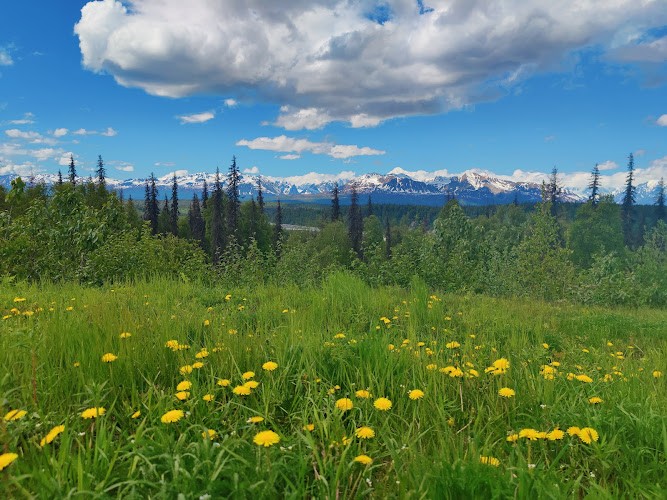
Use your final day for Triple Lakes Trail, a shorter entrance-area hike, rafting or flightseeing offered outside park boundaries, or a second attempt at mountain views. A clear-morning trip to Mountain Vista can produce a memorable final look at the Alaska Range.
If your Day 2 bus was canceled or obscured by poor weather, shift your reserved activity here when availability permits. You can also make a southbound day trip toward Talkeetna or continue north to Fairbanks, leaving enough time for the long Alaska distances involved.
Costs, Safety, Accessibility, and Reservations
You should budget for park entry, transportation, lodging, food, activities, and the higher costs that accompany a short Alaska summer season. Prices and operating dates change, so confirm current amounts directly with the park, transport provider, campground, and lodging property before you book.
Reserve lodging and your primary Park Road bus as early as your travel dates are firm. Bus seats, campgrounds, rail travel, rental cars, and flightseeing departures all face seasonal demand.
Hold your arrival and departure plans loosely enough to absorb weather delays or road-condition changes.
Wildlife safety begins with distance. Never approach, feed, or surround an animal, and move away if wildlife changes its behavior because of your presence.
Carry bear spray when you hike or camp in bear country, know how to use it before you set out, and store food as park rules require.
Weather shifts quickly across the Alaska Range. Wear moisture-wicking base layers, warm insulating layers, a waterproof shell, hat, gloves, and sturdy footwear.
Rivers, steep tundra, unstable ground, cold rain, and low visibility create serious hazards for independent hikers.
Accessible planning works best when you arrange it ahead. Several park buses each day have wheelchair lifts, and the official bus guidance notes accessible options among park facilities, trails, and activities.
Contact the bus operator and park directly about your date, boarding needs, mobility equipment, service animals, and the exact route you hope to take.
Families should bring required child restraints for vehicle travel. Alaska law sets car-seat and booster-seat requirements by age, height, and weight, and the park notes that parents provide the appropriate seat.
For a family-friendly day, focus on the visitor center, short trails, free shuttles, wildlife viewing from buses, and sled-dog programs.
Sources and Current Planning Links
Use official park information for conditions that change quickly, especially bus operations, road access, campground status, weather, closures, and seasonal programs.
- Denali National Park basic visitor information provides the park’s current orientation, entrance details, and travel context.
- Official Denali Park Road and bus guidance explains tour buses, transit buses, free shuttles, private-vehicle limits, and accessibility information.
- Current things to do in Denali lists seasonal activities and visitor opportunities.
- Denali history and culture information offers context for the people and places connected to the park.
- Denali National Park trip ideas can help you compare lodging and attraction options around the gateway area.
Frequently Asked Questions
Denali is best approached as a wilderness destination with structured road access, changeable weather, and a high value on patience. Your bus reservation and lodging location shape nearly every part of a short stay.
Is Denali National Park worth visiting?
Denali National Park is worth visiting when you want a remote Alaska wilderness experience with strong wildlife-viewing potential and vast mountain scenery. Go with flexible expectations about seeing the summit, since clouds frequently cover Denali even during the main summer season.
How many days do you need in Denali National Park?
You need two nights and one full day for a solid first visit, with three nights giving you more room for weather changes and hiking. Reserve one full day for a Park Road bus and use your arrival or departure day for the visitor center, Savage River, and ranger activities.
What is the best way to explore Denali National Park?
The best way to explore Denali is a reserved transit or narrated tour bus on Park Road, paired with walks near the entrance. Transit buses suit you when you want independent hiking flexibility, while narrated tours provide a more guided experience with interpretation.
Do you need bear spray in Denali National Park?
You should carry bear spray when you hike or camp away from developed areas in Denali. Keep it accessible, learn its use before your trip, give all wildlife substantial space, and follow current food-storage rules from park staff.
What is the best month to see Denali?
June, July, and August offer the fullest visitor services and the best chances to look for Denali, though no month guarantees a clear view of the summit. Plan to stay at least two nights, giving yourself more than one opportunity if the clouds lift. Check the forecast each morning before deciding on the day’s activity.
Affiliate placeholder: Compare accommodation options after checking the official property details, location, and cancellation terms.
Affiliate placeholder: Check current activity availability, meeting points, accessibility, and cancellation terms before reserving.