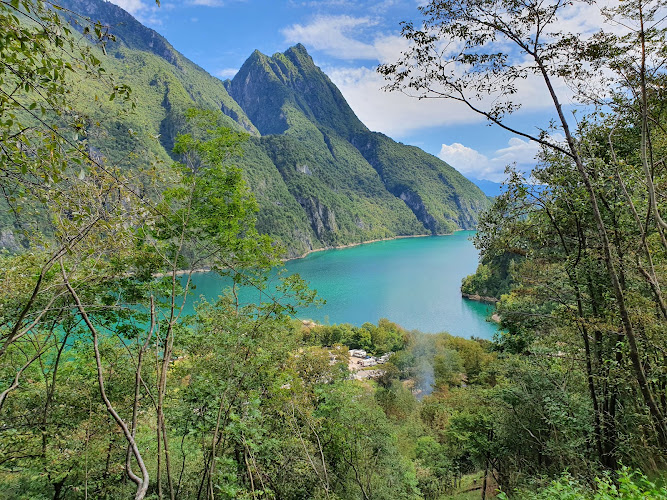
Val di Fassa is a high Dolomite valley centered on Alba, 38032 Alba, Autonomous Province of Trento, Italy, where Ladin-speaking communities, dramatic pale-rock massifs and four-season mountain sports shape the travel experience. Travelers come for access to the Sella, Marmolada, Catinaccio-Rosengarten and Sassolungo groups; winter connections into the Dolomiti Superski network; and villages where Ladin food and mountain traditions remain part of everyday life.
What to Expect at Val di Fassa
Rather than a single gated attraction, Val di Fassa extends up the Avisio valley through Moena, Soraga, Vigo di Fassa, Pozza di Fassa, Mazzin, Campitello and Canazei, with Alba at its upper end. In winter, Alba is an important lift base: the Ciampac gondola rises from the village toward the Ciampac ski area, while the Alba–Col dei Rossi connection brings skiers toward Belvedere and the Sella Ronda circuit. The terrain ranges from beginner slopes and family snow areas to demanding marked pistes and ski-touring terrain; lift operations, snow conditions and route openings change with the season.
Summer shifts the focus to walking, cycling and via ferrata beneath the valley’s limestone walls. Use the official Val di Fassa Tourist Board site for current lift, trail, event and weather information before setting out. Cultural stops are equally integral: Ladin identity is visible in the language, local place names and food. Look for cajòncie da fighes, half-moon pasta often filled with figs and poppy seeds, canederli bread dumplings, polenta and mountain cheeses in refuges, shepherds’ huts and traditional restaurants.
- Ciampac lift base: Alba’s principal uphill gateway, linking the village to ski slopes and high-altitude walking terrain when the lifts are operating.
- Sella Ronda access: From the Canazei–Belvedere side, experienced skiers can join the celebrated circuit around the Sella massif, subject to lift status and ability.
- Marmolada views: The valley’s eastern and upper reaches open toward the Marmolada, the highest massif in the Dolomites.
- Ladin cuisine: Seek out cajòncie da fighes, canederli, polenta and local dairy products at valley restaurants and mountain refuges.
- Dolomite passes: Pordoi, Sella, Fedaia and Costalunga are major road-and-cycling routes with high-mountain panoramas and seasonal traffic restrictions.
Val di Fassa at a Glance
| Detail | Information |
|---|---|
| Address | 38032 Alba, Autonomous Province of Trento, Italy |
| Neighborhood / Area | Alba, at the Canazei end of Val di Fassa in the Dolomites |
| Operating Hours | Valley access is open 24 hours daily; lift, refuge, restaurant and tourist-office hours are seasonal. |
| Admission / Price Range | Free to enter the valley; lifts, ski passes, guided activities, dining and accommodation are paid. Typical spend: $$. |
| Recommended Visit Duration | 2 to 4 days for a focused stay; a week for skiing, hiking or multi-pass exploration. |
| Nearest Transit / Parking | Trentino Trasporti’s Trento–Predazzo–Canazei corridor reaches the upper valley; use Alba/Ciampac-area stops. Parking is available around the Ciampac lift base, with availability tightening on winter mornings. |
| Official Website & Phone | fassa.com · +39 0462 609500 |
Visiting Tips, Getting There & Nearby Pairings
For skiing, arrive at the Alba/Ciampac base before the first rush, particularly during Christmas–New Year, Italian school holidays and clear weekend mornings. Buy passes and verify the intended lift route online in advance; a pass valid for one sector is not automatically the same as a broader Dolomiti Superski product. In summer, begin exposed hikes and via ferrata early, carry layers and rain protection, and turn back when thunderstorms build. Mountain refuges can fill at lunch, so reserve when possible.
Without a car, connect through Trento and Predazzo to Canazei on the regional bus corridor, then use local valley services and seasonal ski buses for resort movement. Drivers should expect snow chains or winter tyres in the cold season and limited spaces near lift stations. Alba’s built-up center and the Ciampac base are the easiest local areas for step-free movement, but Val di Fassa is mountain terrain: gradients, gravel paths, snow, lift cabins and refuge entrances vary substantially. Confirm lift-by-lift and route-by-route wheelchair, stroller and assistance arrangements before travel. Pair an Alba stay with the Ciampac area, the Avisio riverside corridor, or Canazei’s shops and restaurants a short bus ride away; Pordoi Pass is a rewarding onward excursion when the road is clear.
Frequently Asked Questions
When is Val di Fassa open, and what is the best time to visit?
The valley is accessible every day and at all hours, while individual lifts, offices, restaurants and refuges follow seasonal timetables. Visit early in the day for quieter lift bases and firmer snow in winter; June through September is the principal hiking period, with conditions at altitude changing quickly.
Is there an admission fee or do I need to reserve?
There is no admission charge to enter Val di Fassa. Budget for lift passes, equipment, activities, meals and lodging; prices vary by season and ski area. Reserve hotels, popular dinner tables, instructors and guided excursions well ahead for peak winter weeks and August.
How much time should I allow for Val di Fassa?
Allow two to four days to combine a lift-assisted mountain day, village dining and a pass or valley walk. Skiers tackling the Sella Ronda or travelers planning multiple hikes, ferratas and Ladin cultural stops will get more from five to seven days.
Is Val di Fassa suitable for families and visitors with limited mobility?
Families have access to beginner ski areas, gentle valley walks and restaurants suited to relaxed meals, though supervision is essential in high-alpine settings. Accessibility differs sharply between village streets, lift stations, mountain cabins and trails; check current access directly with the operating lift or venue before committing to an itinerary.
When planning your Dolomites travel guide or browsing verified attractions in Dolomites, pair this stop with standout local spots including Olympic Spa Hotel, Hotel La Perla Spa & Beauty, Panoramabalkon UNESCO Mastlè Santa Cristina, and Dolomiti Ski Tour (0.2 km away).