Editorial disclosure: This destinations.ai guide was prepared with AI assistance and checked against the official sources linked below. Accommodation and activity placeholders may use affiliate links; that does not change the planning advice.
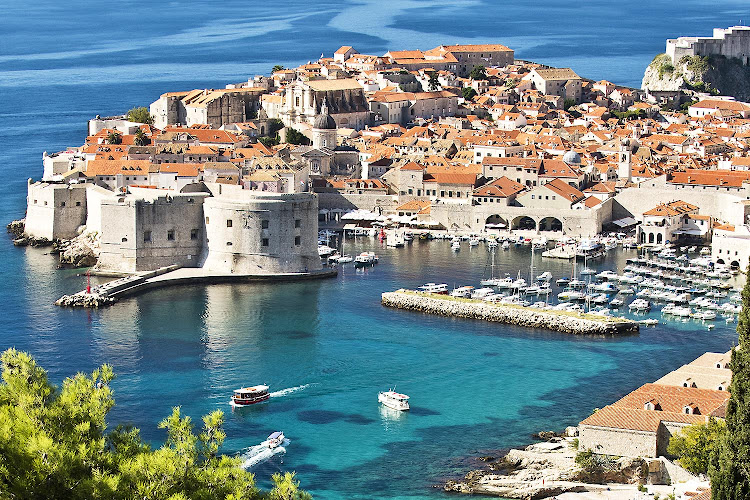
Dubrovnik, on Croatia’s Dalmatian coast, is a stunning walled city of marble streets and terracotta rooftops set against the turquoise Adriatic, nicknamed the Pearl of the Adriatic.
The top experience is walking the nearly two-kilometer medieval City Walls for sweeping views over the Old Town and sea; start at opening time to beat the heat and crowds. Explore the Rector’s Palace, the Franciscan Monastery with one of the world’s oldest pharmacies, and take a short boat to car-free Lokrum Island for gardens and swimming.
The best times to visit are the shoulder seasons of April to May and September to October, with pleasant weather and fewer crowds; summer is vibrant but hot, packed, and pricey. Two to three days is ideal, leaving room for a day trip to Montenegro or the Elaphiti Islands.
Affiliate placeholder: Compare accommodation options after checking the official property details, location, and cancellation terms.
Affiliate placeholder: Check current activity availability, meeting points, accessibility, and cancellation terms before reserving.
Sources and current planning links
Explore more destinations.ai travel guides when building a longer route.
How to plan a Dubrovnik visit
Dubrovnik is easiest to enjoy when you separate the Old Town’s historic core from the sea, island, and neighborhood experiences beyond the walls. Walk the main sights early, reserve any timed attraction, and keep the middle of a hot or cruise-heavy day flexible. The city’s official tourism information and current visitor notices are especially important for crowd management, transport, the Dubrovnik Pass, and seasonal access.
What are the best things to do in Dubrovnik?
Start on the City Walls, then follow Stradun through the Old Town to the Rector’s Palace, the cathedral, museums, churches, and smaller lanes. The walls provide the clearest first orientation, but the walk is exposed and includes steps. Check current opening hours, ticket combinations, heat, and crowd conditions before going. The Dubrovnik Pass may make sense when its included sights and transport match your schedule; compare the current inclusions rather than buying it automatically.
Fort Lovrijenac, the harbor, and the lanes outside the busiest central route add historical and visual variety. A cable-car ride can provide a broad view when operating conditions and demand suit you, but a viewpoint should remain optional if wind, heat, or queues make it uncomfortable. Lokrum offers a different day shaped by ferry timing, swimming or walking conditions, and a clear return plan.
Gruž, Lapad, and the coast give Dubrovnik room to breathe. Lapad works for a seaside walk and a slower meal, while Gruž is useful for ferries, markets, and connections. Choose one beach or swimming stop and confirm access, shade, showers, and water conditions. If a cruise ship has brought a surge of visitors, a neighborhood or island route may be more enjoyable than standing in the same queue.
Where should you stay in Dubrovnik?
Stay inside the Old Town for immediate atmosphere, in Pile or near the city gate for access, in Lapad for a more relaxed seaside base, or near Gruž for ferry and transport convenience. Old Town accommodation can involve stairs, luggage restrictions, restaurant noise, and no vehicle access. Lapad may give you more space and evening calm, but you will need a bus or taxi for early city sightseeing. Choose by the first and last trips of your day.
Ask about porter help, lift access, air conditioning, breakfast timing, parking, and the exact location where a vehicle can stop. A listing that says “Old Town” may be several flights above a stone lane. Keep the property’s directions offline and confirm the current arrival procedure if you are coming from the airport, port, or a late ferry.
What should you eat in Dubrovnik?
Plan Dubrovnik meals around Dalmatian seafood, grilled dishes, local produce, olive oil, pastries, and the neighborhood you are already exploring. The Old Town offers convenience and atmosphere, while Gruž and Lapad can make a less pressured dinner route. Read current menus and ask about fish sourcing, allergies, vegetarian choices, and reservation times. A seafood restaurant should tell you what is available that day rather than selling a fixed fantasy of the coast.
Keep lunch simple after a wall walk and reserve a slower evening meal when the temperature falls. Croatian wines, local sweets, and market ingredients can add regional texture without requiring a formal tasting. If you are catching a ferry or attending an event, eat near the departure route and leave time for queues. Do not let a restaurant reservation force you into a rushed cross-city transfer.
What is the best time to visit Dubrovnik?
Late spring and early autumn often balance warm weather, sea access, and fewer crowds than the heart of summer. May, June, September, and October can suit travelers who want to walk the walls without planning every sight at noon. July and August bring long days and peak demand, while winter is quieter but some seasonal businesses and boat services reduce their hours. Check cruise schedules, festivals, ferry routes, and accommodation terms before choosing dates.
Wear shoes with grip and carry water for exposed stone routes. Wind, heat, and sudden rain can change the feel of the walls and island crossings. If the forecast is poor, use the museums, churches, food, and neighborhood walks as the main plan. Responsible visits also mean respecting residents, not blocking doorways, and avoiding a noisy group in narrow lanes late at night.
How do you get around Dubrovnik?
Walk the Old Town, use city buses or taxis for Lapad, Gruž, and the gates, and book ferries or excursions directly through reputable operators. The city is compact but steep and traffic can slow the roads. Check the current airport transfer, bus route, ticket, and ferry terminal details before setting out. A rental car is rarely useful for the Old Town and can become a parking problem during peak season.
For Lokrum, the Elaphiti Islands, or another boat day, confirm the departure dock, check-in time, weather policy, and last return. Save the operator’s phone number and the hotel address offline. If you plan a day trip to Cavtat, Ston, or Montenegro, check border and transport requirements separately; do not assume a coastal route is a simple local bus ride.
Dubrovnik for families and accessible travel
Families should choose one historic anchor, one sea or park break, and a short evening route rather than trying to cross every staircase in the Old Town. The walls, harbor, boats, and stories of the Republic can be engaging, but heat and crowds shorten children’s patience. Plan shade, water, toilets, and an early meal. A beach or hotel pool may be the best second half of a busy monument day.
Accessibility varies by walls, gates, pavements, museums, buses, ferries, and hotel entrances. Contact each provider about step-free access, seating, toilets, boarding assistance, and the distance from vehicle drop-off. Do not describe the Old Town as fully accessible because a single museum has a ramp. A calm Lapad base and a tailored transfer may offer a more usable holiday.
A practical three-day Dubrovnik itinerary
Three days gives you one Old Town day, one sea or island day, and one flexible day for neighborhoods or a regional excursion. Put the wall walk in the coolest practical window and protect the ferry day from unnecessary bookings.
- Day one: walk the City Walls and Stradun, then choose the Rector’s Palace, cathedral, or a museum before dinner.
- Day two: visit Lokrum or take a confirmed coastal outing, with a simple evening near your accommodation.
- Day three: explore Gruž and Lapad, revisit a favorite Old Town area, or take one carefully timed trip beyond the city.
Which day trips work from Dubrovnik?
Cavtat, the Elaphiti Islands, and Ston are natural extensions, while Montenegro or Mostar require extra border and driving time. Choose one destination, verify the current ferry, bus, tour, and border details, and do not book a late flight or fixed dinner until the return is realistic. Dubrovnik is more enjoyable when the day trip adds contrast rather than another queue.
The city’s most generous moments often happen after the landmark work is done: a quiet lane, a swim, a meal in Gruž, or a view that does not require a crowd. Plan responsibly, verify current details, and let Dubrovnik remain a city as well as a monument.
For a longer regional route, compare Split, Croatia, Sarajevo, Bosnia and Herzegovina, Venice, Italy with this destination before finalizing your itinerary.
Frequently asked questions
What is Dubrovnik, Dalmatia best known for?
Dubrovnik, on Croatia's Dalmatian coast, is a stunning walled city of marble streets and terracotta rooftops set against the turquoise Adriatic, nicknamed the Pearl of the Adriatic.
When is the best time to visit Dubrovnik?
The best times to visit are the shoulder seasons of April to May and September to October, with pleasant weather and fewer crowds; summer is vibrant but hot, packed, and pricey.
How many days should you spend in Dubrovnik?
Plan about 3 days for a first visit, then add time if you want to explore beyond the central sights.
How should you get around Dubrovnik?
The city’s official tourism information and current visitor notices are especially important for crowd management, transport, the Dubrovnik Pass, and seasonal access.
What should you book ahead in Dubrovnik?
Walk the main sights early, reserve any timed attraction, and keep the middle of a hot or cruise-heavy day flexible.
Explore Dubrovnik by Category: Discover top curated spots across Dubrovnik Attractions & Sightseeing, Best Places to Stay in Dubrovnik, Dubrovnik Restaurants & Dining.