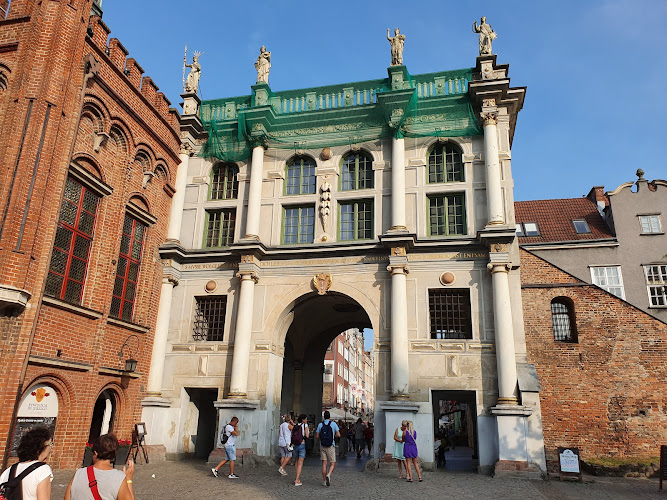
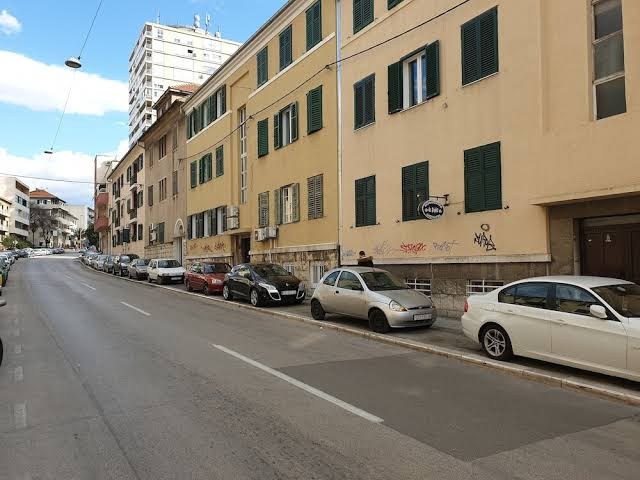
The Split travel guide: spend two or three days exploring Diocletian’s Palace, Marjan, the waterfront, and one nearby island. Croatia’s second city grew around the Roman emperor Diocletian’s palace, and its historic core remains a working part of the city. Ancient walls, cafés, apartments, and market streets sit together within a walkable centre.
Map a flexible Split itinerary before booking island trips. Ferry times and summer demand make a little planning worthwhile, while the official tourism sources are best for current schedules.
What are the best things to do in Split?
Enter the palace area through one of the historic gates and walk the Peristyle, the cellars, and the lanes around the Cathedral of Saint Domnius. Continue to the Riva waterfront for coffee or a sunset walk. Varoš, the Meštrović Gallery, and the beaches west of the centre add variety when you want a break from Roman history.
Marjan is the city’s green escape. Trails and viewpoints climb above the waterfront, offering views of the harbour and nearby islands. Wear shoes with grip, take water in warm weather, and follow local park guidance. Bacvice is convenient for a swim, while a boat or ferry trip gives you a different view of the Dalmatian coast.
Which day trips are easy from Split?
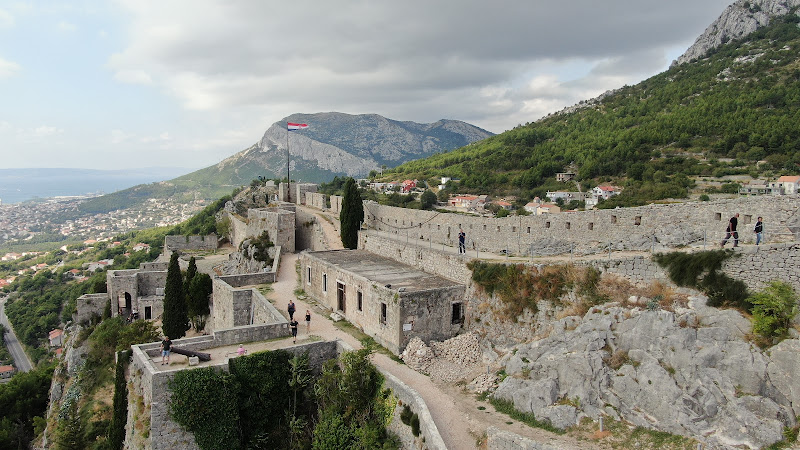
Split is a practical base for boat trips toward Brač, Hvar, Šolta, and Vis. Klis Fortress is a land-based option with a wide view toward the coast. Trogir and the Krka area can also fit into a longer day, depending on transport. Compare the return time with your accommodation and avoid booking a late ferry on the day you fly.
When is the best time to visit Split?
June and September offer warm conditions with more breathing room than the busiest weeks of July and August. Summer brings the fullest ferry network and the strongest beach weather, but prices and queues rise. Spring and autumn are better for long walks and historic sightseeing. Check sea conditions before committing to a small-boat excursion.
How many days do you need in Split?
One day covers the palace and Riva at a brisk pace. Two days allow Marjan and a beach. Three or four days give you room for an island day trip without losing time in the old city. Stay near the centre for walking access, or near the ferry port if you have an early departure.
How should you explore Diocletian’s Palace?
Start early at the Peristyle and let the palace lanes set the pace. Diocletian’s Palace is not a single quiet museum isolated from modern life; it is a historic complex threaded with homes, cafés, shops, churches, and everyday movement. Walk through the cellars, look for the Cathedral of Saint Domnius, and notice where Roman stone meets later construction. A guide can help with the layers, but a self-guided route also works if you leave time to read and look up.
Use the palace as an orientation grid rather than trying to memorise every alley. The Riva is the natural place for a break, while Pjaca and the market areas show how the old centre connects to present-day Split. Wear shoes with grip because polished stone can be slippery after rain. Keep voices low near homes and do not enter spaces marked as private.
What can you do on Marjan?
Marjan is Split’s green escape, with paths, viewpoints, pine shade, and views over the harbour and nearby islands. The Tourist Board describes it as a hill and park close to the historic centre, which makes it easy to add without committing to a full mountain excursion. Choose a short viewpoint walk or a longer route according to heat, time, and footwear.
Carry water in warm weather and check local park guidance. The shade is not equal along every path, and a walk that feels gentle near the base can become tiring on a hot afternoon. Marjan is a good place to slow down after the palace, not a reason to race through the old city. If the weather is windy or stormy, choose a lower route and return before conditions worsen.
Which beaches suit a city break?
Bacvice is convenient when you want a swim close to the centre, while beaches farther west can offer a different pace. Check the surface, shade, facilities, and route before carrying a full beach kit across town. The coast is not one uniform experience: some spots are urban and busy, others are rocky and quieter. Water shoes can be useful on pebbly entries, and sun protection matters even when a breeze makes the air feel cool.
Keep valuables secure and follow local signs about swimming, boats, and access. A beach day works best when paired with a short palace or neighbourhood route rather than added after a packed sightseeing schedule. In July and August, start earlier if you want a calmer swim. In June or September, longer walks may be more comfortable than in peak summer.
How do island trips work from Split?
Split is a practical base for trips toward Brač, Hvar, Šolta, and Vis. Routes and frequencies vary by operator and season, so check the current timetable before planning an exact day. Compare the full journey, including the walk to the port, time in the queue, boarding window, and the return connection. A beautiful island is not a good day trip if the last ferry leaves before you have seen it.
Hvar can suit visitors looking for a lively harbour and historic streets, Brač offers a different island landscape, and Šolta may feel quieter. Vis is farther and needs more commitment. Do not treat these names as interchangeable. Choose one island based on the experience you want, the weather, and the time available. Keep a land-based alternative such as Klis Fortress or Trogir in reserve.
What land-based day trips are possible?
Klis Fortress gives a high view toward the coast and can be paired with a city stay when the sea is rough. Trogir offers another historic setting, while the Krka area requires a longer transport calculation. If you drive, check parking and restricted areas. If you join a tour, confirm the meeting point and return time before paying.
A day trip should not remove all flexibility from your visit. Ferry delays, traffic, heat, and queues can turn a simple excursion into a long day. Keep the evening after a trip light and avoid booking an early flight immediately afterward. Split itself has enough depth to reward a day you spend entirely within the city.
When is the best time to visit Split?
June and September offer warm conditions with more breathing room than the busiest weeks of July and August. Summer brings the fullest ferry network and the strongest beach weather, but prices, queues, and heat rise. Spring and autumn are better for long walks and historic sightseeing. Check sea conditions before committing to a small-boat excursion, and remember that a sunny forecast does not guarantee calm water.
Winter is quieter and can suit visitors focused on architecture, food, and local life, but seasonal services may be reduced. Choose dates around your priorities: swimming, island access, outdoor walking, or a relaxed palace visit. Verify opening hours and transport information close to departure because a seasonal blog post can be out of date.
Sample three-day Split itinerary
On day one, explore Diocletian’s Palace, the Cathedral area, the cellars, and the Riva. On day two, walk Marjan in the morning and choose a beach or gallery in the afternoon. On day three, take one island trip if the timetable and sea conditions are favourable; otherwise visit Klis, Trogir, or spend more time in the city. Keep ferry-dependent plans separate from your departure day.
For a one-day stop, prioritise the palace and Riva. For four days, add an island or land excursion without removing a flexible afternoon. Stay close to the centre if you want evening walks, or near the port for an early departure. A good Split travel guide balances ancient stone, swimming, food, and the practical reality of summer transport.
Is Split worth visiting?
Split is worth visiting when you want Roman history, a working waterfront, green viewpoints, beaches, and access to the Dalmatian islands. Its strongest days combine one historic route with time outside it. Check ferry schedules, respect residents in the palace, and plan around heat. The city becomes more enjoyable when you stop treating every hour as a transfer between attractions.
What should you book in advance?
Book accommodation early for July and August, especially if you want a walkable room near the old centre or a stay close to the ferry port. Reserve a popular restaurant when the evening matters, but do not fill every night with fixed commitments. Palace tours, museums, and boat trips may need advance planning in high season. Check cancellation terms and keep a realistic arrival window before paying for anything time-sensitive.
Ferry tickets deserve particular attention. Confirm the correct port, boarding time, luggage rules, and return service. A route that looks simple online may involve a long walk, a queue, or a seasonal timetable. Keep one land-based day available so rough seas or a cancelled excursion does not consume the whole visit. This is also why a destinations.ai itinerary should remain a starting point rather than a fixed promise.
Sources
- Split-Dalmatia County Tourist Board: Split
- Tourist Board of Split: Marjan
- UNESCO: Historical Complex of Split with the Palace of Diocletian
Explore Split by Category: Discover top curated spots across Split Attractions & Sightseeing, Best Places to Stay in Split, Split Restaurants & Dining.