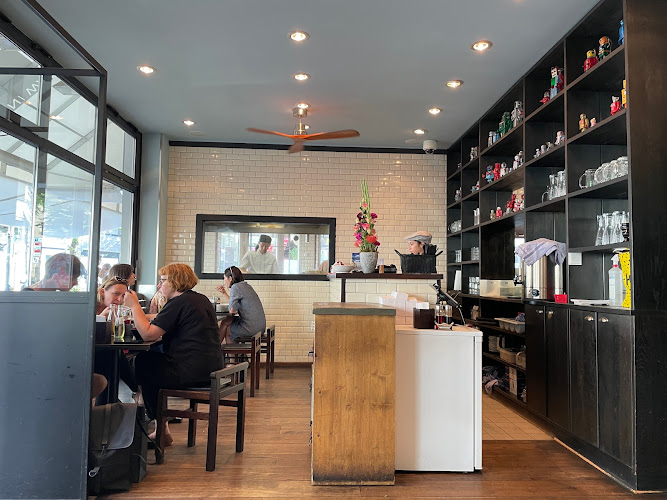
Naniwa Noodles & Soups is a compact Japanese noodle bar in Düsseldorf’s Japanese quarter, the Little Tokyo area around Immermannstraße. It is one of the city’s longest-running destinations for handmade ramen and udon, built around steaming bowls, brisk table turnover, and the familiar sight of diners waiting for a seat.
This is a meal-first stop rather than a polished, drawn-out dining occasion. The room is close-set and casual, the menu concentrates on Japanese noodle soups and dependable side dishes, and the atmosphere has the efficient energy of a place people visit specifically for a satisfying bowl. Its central location makes it especially useful for a lunch break, a warming cold-weather dinner, or a focused food stop while exploring central Düsseldorf.
Standout Highlights & What Not to Miss
The appeal is straightforward: handmade noodles served in classic Japanese soup formats, with enough choice to reward repeat visits without turning the meal into a lengthy decision. First-time visitors can use broth style as their starting point. Shoyu brings a soy-led profile, miso is the richer, deeper option, and shio offers a lighter salt-based route. Udon provides a different texture entirely, with thick wheat noodles in a dashi-based soup. Come hungry, but do not feel obliged to over-order: the bowls are the main event and the compact dining room favors a clear, efficient meal.
- Handmade ramen noodles: The defining reason to visit. They give the soups more character than a generic quick-service noodle bowl and are central to Naniwa’s long-standing reputation.
- Miso ramen: Choose this when you want a fuller, savory bowl, particularly welcome on a cool or rainy Düsseldorf day.
- Shoyu ramen: A useful first order for diners who want to judge the kitchen through a classic soy-based broth and familiar ramen toppings.
- Udon soups: A good alternative for anyone who prefers broad, chewy noodles or a dashi-led soup rather than ramen.
- Gyoza alongside a bowl: Pan-fried dumplings are the most natural shared starter if two or more people want a little variety without turning the table into a feast.
Visitor Strategy & Planning Snapshot
| Planning Factor | What to Expect | Practical Strategy |
|---|---|---|
| Ideal Arrival Window | Demand can create a visible walk-in queue, especially around conventional meal periods. | Arrive ahead of the main lunch or dinner rush, or allow time for a wait rather than scheduling a tightly timed onward connection. |
| Typical Time Needed | A visit generally suits a focused 45- to 60-minute meal once seated. | Use it as a substantial itinerary stop, not a grab-and-go snack; add waiting time when the street is busy. |
| Booking / Queue Reality | The noodle bar operates on a walk-in basis rather than reservations. | Keep the party flexible, avoid splitting your group’s attention between multiple plans, and have a nearby browse or coffee stop in mind if the line is long. |
| Terrain & Accessibility | The entrance is at street level, but seating is tight and circulation becomes more difficult at peak periods. | Visitors using a wheelchair or traveling with a stroller should aim for a quieter period and be prepared for limited room inside. |
| Weather / Seasonal Fit | Hot noodle soups are especially appealing in cool, wet weather, though the restaurant works year-round. | On warmer days, treat the meal as a deliberate indoor pause within a Little Tokyo walk rather than the only reason to linger nearby. |
Honest Trade-Offs: Best For vs. Who Might Skip
Naniwa is best for ramen lovers, curious food travelers, solo diners, and groups happy to accept a little bustle in exchange for a well-regarded bowl in Düsseldorf’s Japanese district. It also works for budget-conscious diners seeking a filling restaurant meal rather than a formal Japanese tasting experience. The trade-off is comfort and flexibility: tightly arranged seating, a potential wait, and a deliberately functional atmosphere mean it is less suitable for a quiet catch-up, a large celebration, or anyone who needs spacious, unhurried service. Vegetarian diners have options, but many broths are meat-based, so it is wise to ask the staff about ingredients before committing to a dish. Diners who want sushi or a reservable experience should consider a different format rather than expecting this noodle-focused room to provide it.
Neighborhood Context & How to Pair Your Visit
Build Naniwa into a walk through Little Tokyo rather than treating it as an isolated destination. The streets around Immermannstraße and Oststraße are one of the easiest parts of Düsseldorf to explore on foot for Japanese food, grocery browsing, cafés, and small retail stops. Begin with a wander through the district, join the queue when you are ready to commit to a meal, then continue toward the city center after lunch or dinner. Düsseldorf’s Hauptbahnhof is also nearby, making the noodle bar practical before or after rail travel, though a tight departure time is a poor match for a popular walk-in restaurant. For a relaxed route, leave room for one neighboring stop before the meal and one afterward; that way, a wait feels like part of the neighborhood visit rather than lost time.
When planning your Dusseldorf travel guide or comparing verified restaurants and japanese restaurant in Dusseldorf, pair this stop with standout local spots including Japanese Garden, Okinii Düsseldorf City, Nagomi – Japanese Restaurant, and Seoul Restaurant (nearby).