Editorial disclosure: This destinations.ai guide was prepared with AI assistance and checked against the official sources linked below. Accommodation and activity placeholders may use affiliate links; that does not change the planning advice.
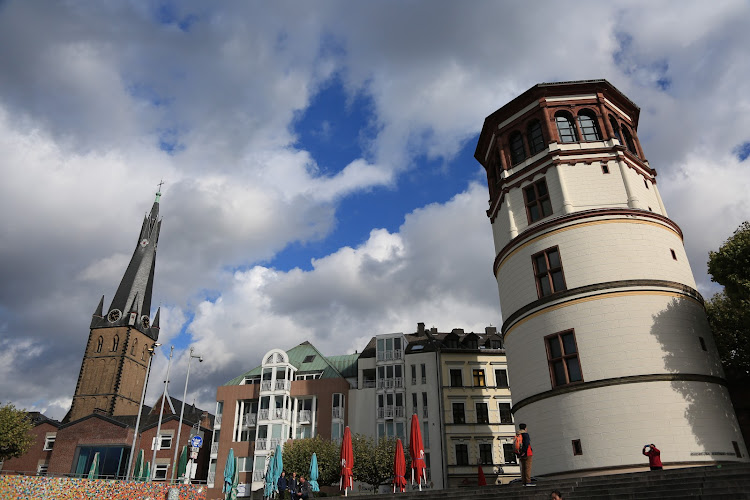
Dusseldorf is a stylish city on the Rhine in western Germany’s North Rhine-Westphalia, known for its fashion and art scene, lively old town, and striking modern architecture. The historic Altstadt, nicknamed the longest bar in the world, packs more than 260 bars, brewpubs, and restaurants into a few cobbled blocks, where the local Altbier flows freely.
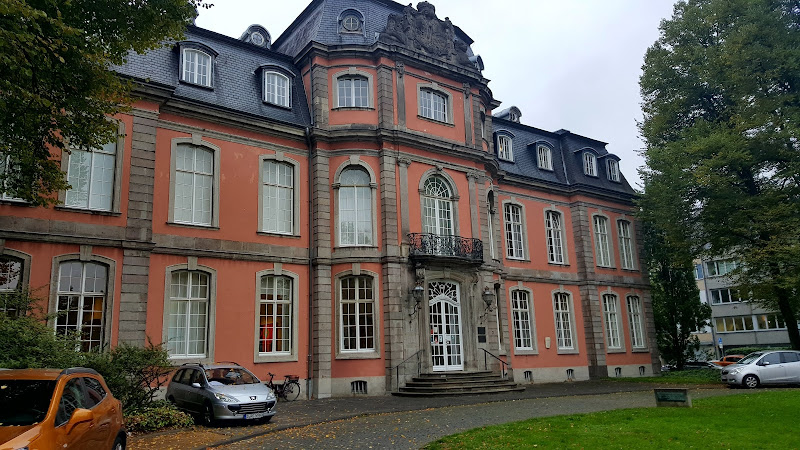
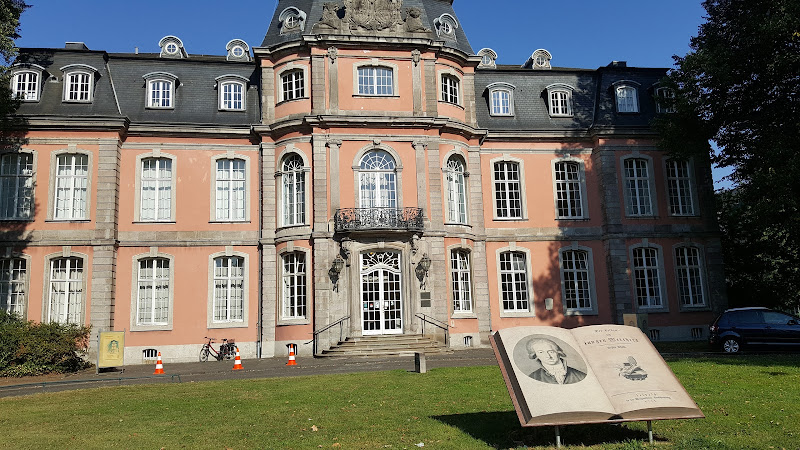
The 240-meter Rheinturm tower offers panoramic views, while the futuristic Frank Gehry buildings of the MedienHafen harbor district draw architecture fans. Shoppers stroll the elegant Konigsallee boulevard lined with luxury brands, and Little Tokyo, one of Europe’s largest Japanese quarters, serves authentic cuisine. The baroque Schloss Benrath palace and gardens make an easy day trip.
The best time to visit is late spring through summer (May to August) for mild weather and Rhine-side life, while December brings festive Christmas markets.
Affiliate placeholder: Compare accommodation options after checking the official property details, location, and cancellation terms.
Affiliate placeholder: Check current activity availability, meeting points, accessibility, and cancellation terms before reserving.
Sources and current planning links
Explore more destinations.ai travel guides when building a longer route.
How to plan a Düsseldorf visit
Düsseldorf is a manageable city break when you combine the Altstadt and Rhine promenade with one of the city’s art, architecture, shopping, green-space, or Little Tokyo routes. The center is close enough for walking, but the city offers more than its famous old-town bars. Build a day around a few connected areas and leave time for a long meal or a river pause.
The official Düsseldorf tourism site provides current sights, city maps, brochures, accessible-travel information, public transport guidance, and event ideas. Use it to check museum hours, tours, route changes, and the current DüsseldorfCard terms. This guide gives the structure of a trip; the official listings should decide the details that change.
What are the best things to do in Düsseldorf?
Start in the Altstadt, walk the Rhine embankment, see the Königsallee and modern MedienHafen architecture, then choose museums, parks, Benrath Palace, or Little Tokyo according to your interests. Düsseldorf’s appeal comes from the contrast between historic streets, fashion, art, Japanese culture, river space, and modern design.
The Altstadt is a natural first walk, with breweries, restaurants, churches, squares, and access to the Rhine. It is lively, especially in the evening, but it is also a real city neighborhood. Choose a brewery or restaurant because you want the food and atmosphere, not because a slogan promises an exact bar count. Keep valuables secure in crowded streets and decide how you will return before ordering another drink.
The Rhine promenade gives the city breathing room. Walk, sit, cycle where permitted, or watch boats and changing light. The Rheinturm provides a higher view when the current opening conditions suit you, while the MedienHafen adds Gehry-designed buildings and former-port architecture. Check weather, tickets, and sunset demand before making a tower or harbor viewpoint the fixed point of the evening.
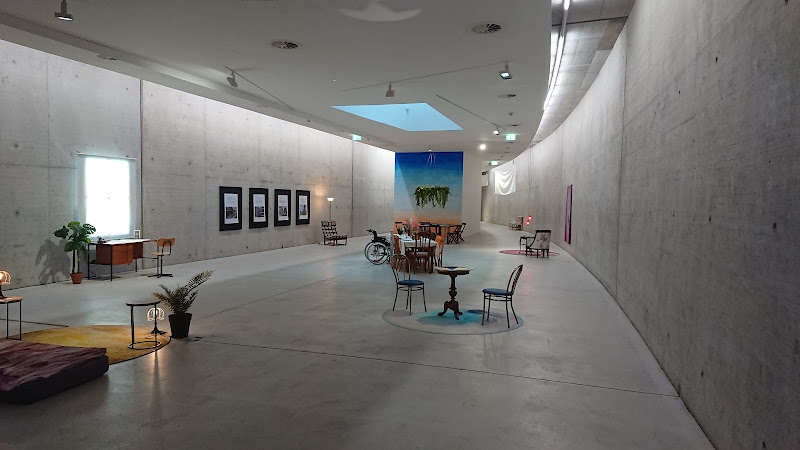
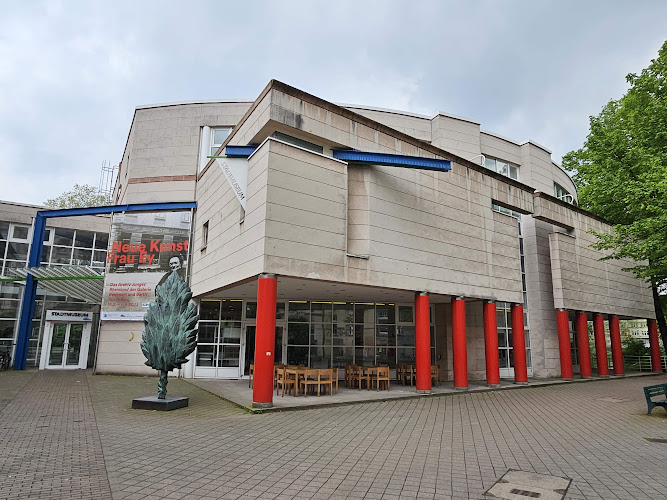
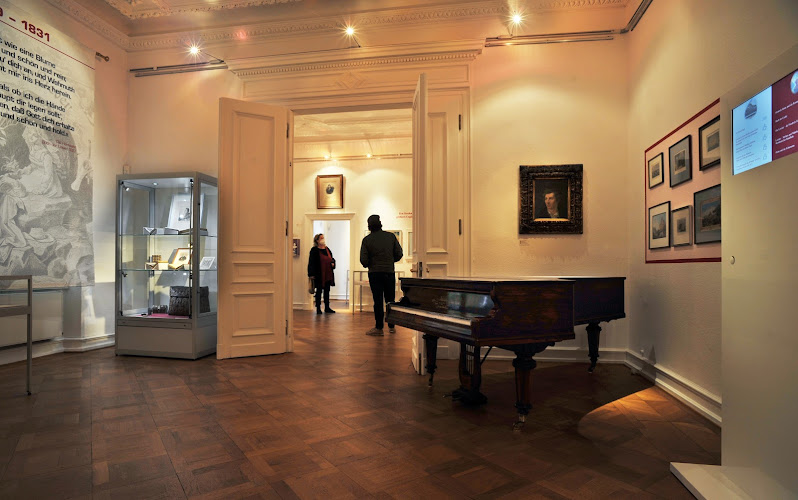
Königsallee and Kö-Bogen make a strong shopping and architecture route, while the city’s museums and galleries suit a rainy afternoon. Kunstsammlung Nordrhein-Westfalen, the Kunstpalast, and smaller venues each create a different art day; confirm current exhibitions and entry rules directly. If art is your main reason for visiting, allow more time than a quick “top sights” list implies.
Little Tokyo around Immermannstraße is one of Düsseldorf’s most distinctive neighborhoods. Restaurants, izakaya-style bars, shops, supermarkets, bookshops, and hotels reflect a long-standing Japanese community. Arrive with patience, check opening hours and queue expectations, and respect the area as a living community. The best visit might be a meal and a walk, not a rush through every shop.
Where should you stay in Düsseldorf?
Stay near the Altstadt or Rhine for a first city break, near the main station for rail connections and Little Tokyo, or in a quieter neighborhood when green space and sleep matter more than nightlife. Düsseldorf is compact in the center, so choose a base around your evening route and arrival plan.
Check the exact address, noise, lift, air conditioning, breakfast hours, luggage storage, accessible room details, parking, and cancellation terms. Event and trade-fair periods can change rates and availability. Ask how late arrivals enter and whether the walk from the station or tram stop feels practical with luggage.
What should you eat in Düsseldorf?
Eat in Düsseldorf for Altbier and brewery food, Rhenish dishes, market produce, modern restaurants, bakeries, and the Japanese restaurants and shops around Immermannstraße. The city’s food identity is broader than the Altstadt. Use one local brewery as an experience, then choose another meal that reflects the neighborhoods you explore.
Little Tokyo can be busy, so check queue, reservation, allergy, and last-order information before relying on it for a timed dinner. Ask restaurants about fish, shellfish, sesame, gluten, and other dietary needs. Carlsplatz and other markets may be excellent for a flexible lunch, while a special tasting menu deserves a route and return plan that do not depend on a last-minute tram.
What is the best time to visit Düsseldorf?
Late spring through summer is pleasant for the Rhine, parks, terraces, and events, while autumn and winter make museums, brewery visits, shopping, and seasonal markets useful anchors. Check the current weather and event calendar before choosing dates. Trade fairs, concerts, carnival, and Christmas markets can change demand throughout the year.
Pack comfortable shoes and a rain layer; Düsseldorf’s official visitor information describes the city as a place for walking, and old-town paving can be hard on tired feet. Keep an indoor alternative for wind or rain. Reserve time-sensitive tours, exhibitions, and special meals early, but leave room for a river walk when the forecast turns kind.
How do you get around Düsseldorf?
Walk the central sights, use current bus, tram, and rail information for longer links, and consider a bicycle or local pass when its terms suit your itinerary. Düsseldorf’s tourism site publishes route and city-map resources, but check the live network before traveling. A short city break rarely needs a car in the central areas.
For the airport, trade-fair grounds, Benrath, or a regional day trip, confirm the station, platform, ticket, and return route. Save the accommodation address offline and allow extra time for event crowds. Travelers with mobility needs can use the city’s accessible-travel information as a starting point, then ask each attraction about lifts, ramps, bathrooms, seating, and cobbled approaches.
Is Düsseldorf good for families and accessible travel?
Düsseldorf works for families when the day mixes a short old-town or river walk with a museum, park, market, or child-focused activity. The city’s attractions are close enough to avoid marathon transfers, and the Rhine and green spaces give children a break from interiors. Check age recommendations, event hours, food, toilets, and stroller routes before booking.
Historic streets, breweries, older stations, and river paths do not all have the same access. Ask about step-free entry, lifts, accessible bathrooms, quiet spaces, seating, and vehicle drop-off. The tourism site’s barrier-free information is useful, but the exact route still matters. Choose one central cluster and give every traveler permission to stop.
A practical two-day Düsseldorf itinerary
Two days covers the old town and Rhine, one art or architecture route, Little Tokyo, and a flexible neighborhood or palace visit. Add a third day for slower museums or a regional excursion.
- Day one: Walk the Altstadt, Rhine promenade, Königsallee, and a confirmed central museum, then choose brewery or local dining.
- Day two morning: Explore Little Tokyo and nearby shops or galleries, allowing time for a proper meal rather than a rushed tasting.
- Day two afternoon: Choose MedienHafen, a park, Benrath Palace, or another current attraction based on weather and transport.
What day trips work from Düsseldorf?
Cologne, Bonn, the Rhine region, and nearby historic towns can extend a Düsseldorf trip, but each day trip should be checked against current rail times, events, and your return plans. Choose one destination and do not attach it to a trade-fair appointment or a fixed airport transfer without a buffer. Benrath Palace can be the easier local extension when you want less travel.
Düsseldorf is a city of close contrasts: Altbier and ramen, old streets and new harbor architecture, shopping boulevards and green riverbanks. Use the current official guide below, walk with curiosity, and let the city’s scale give you time for the details between the headline sights.
For a longer regional route, compare Berlin, Germany, Amsterdam, Netherlands, Paris, France with this destination before finalizing your itinerary.
Frequently asked questions
What is Dusseldorf, North Rhine-Westphalia best known for?
Dusseldorf is a stylish city on the Rhine in western Germany's North Rhine-Westphalia, known for its fashion and art scene, lively old town, and striking modern architecture. The historic Altstadt, nicknamed the longest bar in the world, packs more than 260 bars, brewpubs, and restaurants into a few cobbled blocks, where the local Altbier flows freely.
When is the best time to visit Dusseldorf?
The best time to visit is late spring through summer (May to August) for mild weather and Rhine-side life, while December brings festive Christmas markets.
How many days should you spend in Dusseldorf?
Plan about 3 days for a first visit, then add time if you want to explore beyond the central sights.
How should you get around Dusseldorf?
The official Düsseldorf tourism site provides current sights, city maps, brochures, accessible-travel information, public transport guidance, and event ideas.
What should you book ahead in Dusseldorf?
Check weather, tickets, and sunset demand before making a tower or harbor viewpoint the fixed point of the evening.
Explore Dusseldorf by Category: Discover top curated spots across Dusseldorf Attractions & Sightseeing, Best Places to Stay in Dusseldorf, Dusseldorf Restaurants & Dining.