Nagaya is a refined Japanese restaurant in Düsseldorf, led by chef Yoshizumi Nagaya and known for seasonal tasting menus that bring kaiseki discipline into conversation with European produce. The experience is built around a measured progression of small courses: precise raw fish, clear dashi-led flavors, cooked seafood, vegetables, and richer moments such as Wagyu, with the menu changing according to the market and season.
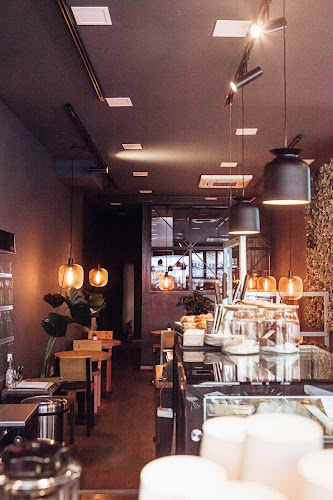
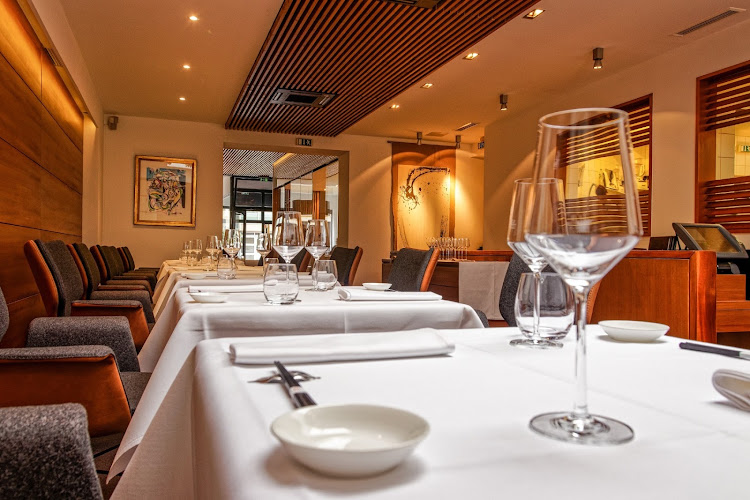
The restaurant sits on Klosterstraße, close to the Immermannstraße area and the edge of Düsseldorf’s Japanese quarter, one of Europe’s most significant Japanese communities. It is a destination for diners who want a composed, unhurried meal rather than a quick sushi stop. Natural wood, soft lighting, and well-spaced tables keep the focus on the food and make Nagaya particularly suited to a celebratory dinner, a thoughtful business meal, or a serious culinary detour.
Standout Highlights & What Not to Miss
The appeal is not simply Japanese ingredients or luxury products; it is the sequencing and contrast between them. A tasting menu can move from restrained, cool and savory opening bites toward grilled or glazed courses, then return to cleaner flavors. Let the kitchen’s current menu lead the decision, and tell staff about dietary requirements well before the visit, as a tightly structured multi-course format is less flexible than ordering à la carte.
- Seasonal kaiseki-inspired menus: The kitchen’s central format is a changing procession of courses, shaped by Japanese technique and the best available European ingredients.
- Sushi and sashimi: Look for careful knife work, premium fish, and attention to rice seasoning rather than oversized, sauce-heavy rolls.
- Dashi and subtle seasoning: Broths, miso, yuzu, and sansho can provide quiet depth; these are dishes to taste slowly before reaching for extra seasoning.
- Wagyu and cooked courses: Rich beef or expertly handled fish often supplies a more substantial middle or late-menu counterpoint to delicate seafood.
- Sake and German wine: The drinks program includes sake alongside a strong German Riesling selection, giving diners a useful choice between Japanese and local pairing traditions.
Visitor Strategy & Planning Snapshot
| Planning Factor | What to Expect | Practical Strategy |
|---|---|---|
| Ideal Arrival Window | A fine-dining meal benefits from arriving settled rather than rushing in from a train or sightseeing stop. | Build in time to find the restaurant and arrive a little early, especially if you want to discuss drinks or dietary needs. |
| Typical Time Needed | Allow roughly 1.5 to 3.5 hours, depending on whether you choose lunch or a full evening tasting experience. | Keep the rest of the evening light; avoid scheduling theater, transport, or another reservation too tightly afterward. |
| Booking / Queue Reality | This is a small-format, high-attention restaurant where planned dining is more realistic than a spontaneous walk-in. | Reserve ahead, particularly for dinner, weekends, and special occasions; reconfirm any allergies when booking. |
| Terrain & Accessibility | The dining room is at street level in a central urban setting, though individual access needs may require confirmation. | Contact the restaurant ahead of time to verify step-free entry, restroom access, and the most suitable table arrangement. |
| Weather / Seasonal Fit | It works in every season because the meal is indoors, while the menu itself reflects seasonal ingredients. | In cooler or wetter weather, pair it with nearby indoor browsing; in mild weather, add a pre-dinner neighborhood walk. |
Honest Trade-Offs: Best For vs. Who Might Skip
Nagaya is best for food-focused travelers, couples marking an occasion, business diners, and people interested in Japanese cuisine beyond familiar sushi-bar standards. It rewards curiosity about texture, seasonality, broth, and subtle seasoning, and it is a strong choice if you value service that supports a paced, formal meal. The trade-off is commitment: a tasting-menu dinner takes time, requires advance planning, and will not suit travelers seeking a casual, inexpensive, or highly customizable meal. Diners who prefer large portions, fast turnover, loud energy, or broad choice may be happier at a more relaxed Japanese restaurant nearby. Those with serious dietary restrictions should not assume substitutions are possible in a menu designed as a complete sequence.
Neighborhood Context & How to Pair Your Visit
Plan Nagaya as the anchor of an evening around the streets near Immermannstraße rather than treating it as an isolated dinner reservation. Start with a slow walk through Düsseldorf’s Japanese-influenced district, where grocery shops, bakeries, casual noodle counters, and everyday Japanese businesses give useful context to the city’s dining culture. Leave room before dinner for a light snack only if you are not taking the full menu seriously; otherwise, save your appetite. Afterward, continue on foot toward the city center for a restrained drink or a short evening stroll. Lunch is a practical way to fit Nagaya into a broader day of galleries, shopping, or central Düsseldorf sightseeing, while dinner is best reserved as the day’s main event.
When planning your Dusseldorf travel guide or comparing verified restaurants and japanese restaurant in Dusseldorf, pair this stop with standout local spots including Das Carls Hotel Düsseldorf, Byliny, Jae Restaurant, and Seoul Restaurant (nearby).