Editorial disclosure: This destinations.ai guide was prepared with AI assistance and checked against the official sources linked below. Accommodation and activity placeholders may use affiliate links; that does not change the planning advice.
Overview: Why Visit Fez
Fez (Fès), Morocco, located in the fertile Saïss Plains between the Rif and Middle Atlas mountains, is the spiritual and cultural capital of Morocco. Founded in 789 AD by Idris I, Fez is home to the world’s oldest continuously operating university and the best-preserved medieval Islamic city in the Arab world.
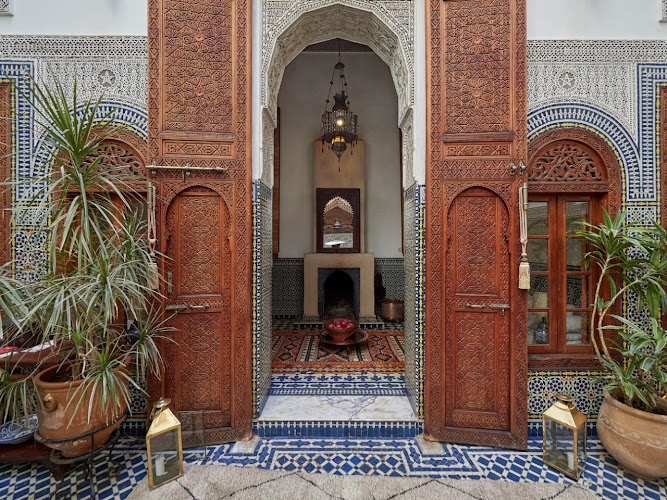
Travelers explore the car-free maze of over 9,000 stone alleys in Fes el-Bali (a UNESCO World Heritage site), photograph the 11th-century honeycomb leather vats of the Chouara Tannery, admire the blue zellij tilework of Bab Bou Jeloud (The Blue Gate), tour the 14th-century carved cedar architecture of Bou Inania Madrasa, and stay in restored historic riads.
Best Time to Visit Fez
Quick answer: Spring (March to May): The premier season to visit Fez. Daytime temperatures average a pleasant 18°C to 24°C (64°F to 75°F), wildflower meadows bloom across the surrounding hills, and walking the unshaded rooftops and medina streets is comfortable.
- Spring (March to May): The premier season to visit Fez. Daytime temperatures average a pleasant 18°C to 24°C (64°F to 75°F), wildflower meadows bloom across the surrounding hills, and walking the unshaded rooftops and medina streets is comfortable.
- Autumn (September to November): Excellent travel conditions with daily highs of 20°C to 26°C (68°F to 79°F). Perfect for guided heritage walks, day trips to the Roman ruins of Volubilis, and evening terrace dining.
- Winter (December to February): Cool and crisp with daytime highs of 15°C to 17°C (59°F to 63°F) and chilly nights (5°C / 41°F). Riad fireplaces are lit, crowds are minimal, and tourist rates are at their lowest.
- Summer (June to August): Hot and dry, with midday temperatures regularly exceeding 38°C to 42°C (100°F to 108°F). Activities are best planned for early mornings and late evenings, resting in shaded riad courtyards during peak afternoon heat.
Key Historic Sights & Medina Landmarks
Quick answer: Fes el-Bali (Old Medina): The oldest walled section of Fez and the largest contiguous car-free urban area in the world. Encompasses over 9,000 winding cobblestone alleyways, 300 mosques, historic hammams, artisan souks (metalworkers, coppersmiths, weavers), and donkey-drawn transport.
- Fes el-Bali (Old Medina): The oldest walled section of Fez and the largest contiguous car-free urban area in the world. Encompasses over 9,000 winding cobblestone alleyways, 300 mosques, historic hammams, artisan souks (metalworkers, coppersmiths, weavers), and donkey-drawn transport.
- Bab Bou Jeloud (The Blue Gate): The monumental western entrance to the medina, constructed in 1913. Decorated with intricate hand-painted blue ceramic zellij tiles on the exterior (representing the color of Fez) and green tiles on the interior (representing Islam).
- Chouara Tannery: Operating since the 11th century, this is the largest of three traditional open-air tanneries in Fez. View stone vats filled with natural dyes (poppy for red, saffron for yellow, indigo for blue) and pigeon droppings used to soften goat, cow, and camel hides. Leather shops surrounding the square provide rooftop viewing terraces (fresh mint sprigs are provided to counter the pungent tanning aroma).
- University of Al Quaraouiyine: Founded in 859 AD by Fatima al-Fihri, recognized by UNESCO and the Guinness World Records as the oldest continuously operating institution of higher learning in the world. Non-Muslims cannot enter the active mosque, but visitors can view the marble fountains and horseshoe arches from the entrance gates.
- Bou Inania Madrasa: A 14th-century Marinid Islamic educational college. One of the few active religious buildings in Morocco open to non-Muslim visitors. Features hand-carved cedar screens, green ceramic roof tiles, and stucco calligraphy.
- Borj Nord & Marinid Tombs: Perched on a hilltop north of the city walls. The 16th-century Saadian fortress of Borj Nord houses an arms museum, while the nearby Marinid Tombs ruins offer the premier sunset panoramic view of the entire Fes el-Bali medina basin.
Suggested 3-Day Fez Itinerary
Quick answer: Day 1: Bab Bou Jeloud, Bou Inania & Craft Souks. Enter through Bab Bou Jeloud and descend the Talaa Kebira thoroughfare. Tour the intricate stucco and cedar carvings at Bou Inania Madrasa. Watch master brass artisans hammer lanterns in Place Seffarine. In the afternoon, visit the Chouara Tannery terraces. Conclude with a traditional multi-course Moroccan dinner in a restored 18th-century riad.
- Day 1: Bab Bou Jeloud, Bou Inania & Craft Souks. Enter through Bab Bou Jeloud and descend the Talaa Kebira thoroughfare. Tour the intricate stucco and cedar carvings at Bou Inania Madrasa. Watch master brass artisans hammer lanterns in Place Seffarine. In the afternoon, visit the Chouara Tannery terraces. Conclude with a traditional multi-course Moroccan dinner in a restored 18th-century riad.
- Day 2: Royal Palace, Jewish Mellah & Sunset Hilltop Views. Walk to the Royal Palace (Dar al-Makhzen) in Fes el-Jdid to photograph the seven handcrafted brass entrance doors. Tour the historic Jewish Quarter (Mellah) and Ibn Danan Synagogue. In the late afternoon, take a taxi up to the Marinid Tombs to watch the sunset over the medina as the call to prayer echoes across the valley.
- Day 3: Day Trip to Volubilis & Moulay Idriss. Take a 1-hour day trip west to explore the UNESCO-listed Roman ruins of Volubilis, featuring preserved mosaics from the 2nd and 3rd centuries AD. Stop in the sacred whitewashed hillside town of Moulay Idriss Zerhoun for lunch before returning to Fez.
Authentic Fassi Gastronomy
Quick answer: Pastilla (B’stilla): Fez’s signature delicacy. Layers of paper-thin *warka* pastry filled with slow-cooked shredded pigeon or chicken, spiced almonds, cinnamon, and sugar, baked until crisp and dusted with powdered sugar and ground cinnamon.
- Pastilla (B’stilla): Fez’s signature delicacy. Layers of paper-thin *warka* pastry filled with slow-cooked shredded pigeon or chicken, spiced almonds, cinnamon, and sugar, baked until crisp and dusted with powdered sugar and ground cinnamon.
- Traditional Lamb & Prune Tagine: Tender lamb shank slow-simmered in a conical earthenware tagine with saffron, ginger, sweet caramelized prunes, toasted almonds, and sesame seeds.
- Harira & Chebakia: A rich, velvety soup made with chickpeas, lentils, tomatoes, fresh cilantro, and warm spices, traditionally paired with honey-soaked sesame cookies (*chebakia*).
- Maghrebi Mint Tea: Gunpowder green tea steeped with fresh spearmint leaves and sugar, poured aerated from high above into decorative glasses.
Practical Travel Tips, Transit & Budget
Quick answer: Getting There & Transit: Fès-Saïss Airport (FEZ) is located 15 kilometers south of the city (a fixed-rate grand taxi to the medina costs approximately 150–200 MAD / – USD). Fez is also directly connected by ONCF trains to Casablanca (3.5 hours), Rabat (2.5 hours), and Marrakech (6.5 hours).
- Getting There & Transit: Fès-Saïss Airport (FEZ) is located 15 kilometers south of the city (a fixed-rate grand taxi to the medina costs approximately 150–200 MAD / – USD). Fez is also directly connected by ONCF trains to Casablanca (3.5 hours), Rabat (2.5 hours), and Marrakech (6.5 hours).
- Navigating the Medina: The medina is strictly pedestrian. Download offline mapping apps (like Maps.me or Google Maps offline), and look for color-coded tourist trail signs on walls. Hiring an official licensed local guide for your first morning (approx. 300–400 MAD / – for a half-day) helps prevent getting lost.
- Daily Budget Breakdown:
- Budget traveler: – USD (250–450 MAD)/day (budget riad dorm or private room, street food tagines and harira, self-guided walking).
- Mid-range traveler: – USD (700–1,400 MAD)/day (authentic 4-star boutique riad with courtyard fountain, licensed medina guide, madrasa entry tickets, sit-down courtyard dining).
- Luxury traveler: –+ USD (2,500–6,500+ MAD)/day (5-star luxury palace at Riad Fes or Hotel Sahrai, private day tour to Volubilis, traditional hammam spa packages).
Frequently Asked Questions
Is the Fez medina safe for tourists?
Yes. Fes el-Bali is generally very safe with dedicated tourist police (*Brigade Touristique*). Common concerns are limited to persistent shop vendors and unofficial guides offering directions. Politely declining with a firm “La, Shukran” (No, thank you) is effective.
What is the oldest university in the world?
The University of Al Quaraouiyine in Fez, Morocco, founded in 859 AD by Fatima al-Fihri, is recognized by UNESCO and Guinness World Records as the oldest continuously operating higher education institution in the world.
Do you need a guide in the Fez medina?
A licensed local guide can make a first half-day in the medina easier, especially if you want historical context or introductions to workshops. Confirm the guide’s credentials and agree on the route and shopping expectations in advance.
Affiliate placeholder: Compare accommodation options after checking the official property details, location, and cancellation terms.
Affiliate placeholder: Check current activity availability, meeting points, accessibility, and cancellation terms before reserving.
Sources and current planning links
Explore more destinations.ai travel guides when building a longer route.
How to orient yourself in Fez
Fez becomes much easier when the trip treats the medina, Ville Nouvelle, and outer sights as separate planning areas. Fes el-Bali is a dense pedestrian world of lanes, workshops, food stalls, mosques, hammams, and homes. Ville Nouvelle offers wider streets, modern services, and a simpler place to reset. Fes el-Jdid adds another layer of imperial history. Do not try to understand all three districts in one rushed afternoon.
Fes el-Bali and Bab Bou Jeloud
Bab Bou Jeloud, often called the Blue Gate, is a practical meeting point and a visual threshold into the old medina. From there, routes branch toward food markets, artisan streets, madrasas, tanneries, and historic mosques. The lanes are not a museum set; deliveries, residents, handcarts, and animals use them. Stand to the side when traffic approaches, keep valuables secure, and agree on a meeting point outside the maze.
A licensed local guide can add context and reduce the stress of a first half-day. Confirm credentials, the length of the walk, the sites included, the shopping stops, and the price before starting. Independent travelers can use a current offline map and a short route, but should not feel pressured to follow an unplanned detour to a shop or terrace.
Which Fez sights deserve priority?
Prioritize one medina orientation walk, the Chouara Tannery area, Bou Inania Madrasa when open, selected artisan workshops, and one quieter historic district. Fez is more rewarding when the itinerary leaves time to notice tilework, carved plaster, cedar, metalwork, leather, and the changing relationship between public and private space.
Terraces near the tanneries offer a view of the working vats, but the experience can involve strong smells and commercial approaches. A shop visit is not compulsory because a terrace offers a view. Ask how leather is made, whether dyes and methods are explained, and how purchases are shipped. Treat historic religious and educational buildings with the same respect as active places of worship.
Should you hire a guide in the Fez medina?
A guide is most useful for a first medina visit, travelers interested in craft or history, and anyone who wants a defined route through the lanes. It is less essential for a repeat visitor who already knows the districts and has a clear plan. The key is not simply having company; it is working with someone who explains the city without turning every stop into a sales presentation.
Ask for an official or locally recognized guide and agree on the group’s interests. A history-focused walk may prioritize madrasas and dynastic monuments, while a craft route may include leather, brass, wood, weaving, or ceramics. Confirm whether entrance fees, transport, meals, and shopping are included, and never pay for an ambiguous “special access” promise.
What to eat in Fez
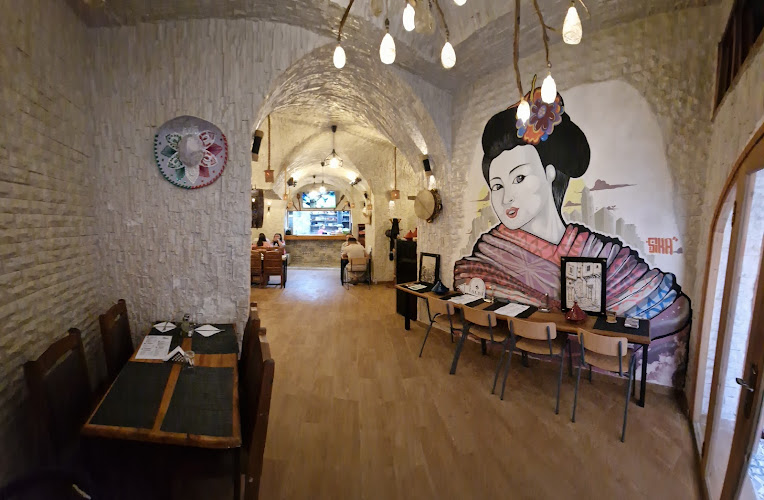
Use Fez as a place to try tagine, couscous, harira, pastilla, fresh bread, olives, mint tea, and seasonal salads at a pace that suits your stomach. Food is part of the city’s social geography, from neighborhood stalls to riad dining rooms. A busy stall with visible turnover can be a sensible choice, but popularity does not eliminate food-safety risk.
Drink sealed or reliably filtered water, wash hands before meals, and introduce rich dishes gradually if the trip has just begun. Travelers with allergies should explain them clearly and ask how food is prepared. Reserve a special riad dinner directly and confirm whether alcohol, vegetarian dishes, or child portions are available rather than guessing from a translated menu.
Where to stay in Fez
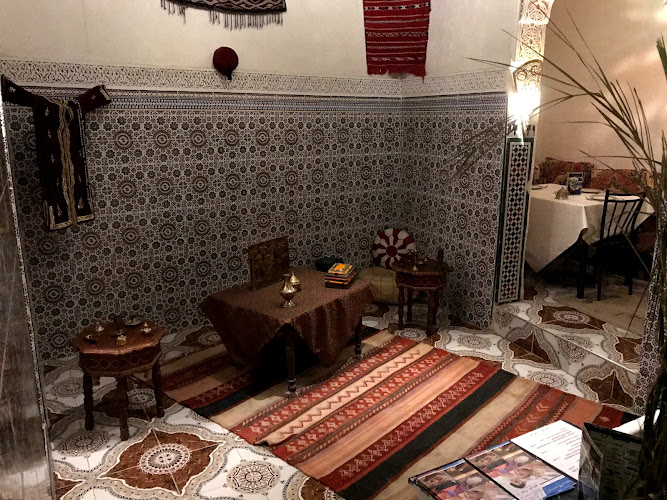
Stay in a riad near a confirmed medina entrance for atmosphere, or choose Ville Nouvelle for easier vehicle access, wider streets, and a simpler evening routine. A beautiful riad can still be a poor fit if luggage must cross several lanes, the room is reached by stairs, or the property cannot arrange a clear arrival transfer. Ask for the exact drop-off point and walking route.
Compare ventilation, heating or cooling, bathroom layout, noise, breakfast timing, rooftop access, and cancellation terms. In the medina, cars often stop at the edge and porters may help with bags; agree on the service and fee before moving luggage. The best base is the one that makes the first and last transfer calm.
A realistic three-day Fez itinerary
Three days allow an orientation walk, a deeper medina day, and either Volubilis or a slower neighborhood and food day. Keep the outer excursion flexible if heat, road conditions, or energy make a long day unattractive.
- Day one: Meet a guide or follow a short mapped route from Bab Bou Jeloud, visit selected historic sites, and finish with an easy meal near the accommodation.
- Day two: Explore tanneries, craft streets, a confirmed madrasa or museum, and a quieter section of Fes el-Jdid or the Mellah.
- Day three: Take a confirmed excursion toward Volubilis and Moulay Idriss, or stay in Fez for cooking, shopping, gardens, and a slower final medina walk.
Fez etiquette, safety, and access checks
Respect photography boundaries, dress modestly for religious settings, keep belongings close in crowded lanes, and confirm transport with the accommodation or a recognized operator. The medina is busy and commercially energetic, which is part of its character but can be tiring. If a situation feels pressured, step into a public café, return to the agreed meeting point, or ask the hotel for help.
Access varies sharply between historic lanes, riads, museums, and outer sites. Contact each venue if the group needs step-free access, a lift, seating, or a bathroom suitable for mobility needs. For current country-level destination information, use the Moroccan National Tourist Office Fez guide and confirm local hours, transport, and rules close to the trip.
For a longer regional route, compare Chefchaouen, Morocco, Marrakech, Morocco, Granada, Spain with this destination before finalizing your itinerary.
Explore Fez by Category: Discover top curated spots across Fez Attractions & Sightseeing, Best Places to Stay in Fez, Fez Restaurants & Dining.