Editorial disclosure: This destinations.ai guide was prepared with AI assistance and checked against the official sources linked below. Accommodation and activity placeholders may use affiliate links; that does not change the planning advice.
Marrakech rewards you with color, craft, and constant movement, from the ochre walls of the UNESCO-listed medina to the evening food stalls of Jemaa el-Fnaa. You’ll get the most from Morocco’s Red City by planning a few anchor experiences, leaving room to wander, and treating the medina as a place to explore slowly.
A well-paced stay of three days gives you time for the Medina’s landmarks, Majorelle Garden, Moroccan food, and one restorative or outdoors-focused experience. Marrakech sits at the base of the High Atlas Mountains, yet its strongest appeal is urban: courtyard riads, tiled palaces, rooftop terraces, artisans’ workshops, and a public square that changes character from morning to night.
Key Takeaways
- Stay in the Medina for a traditional riad experience or Guéliz for easier modern-city access.
- Book Jardin Majorelle and popular riads before arrival, especially in spring and autumn.
- Use walking for the Medina and agree on a taxi fare or request the meter for longer journeys.
Quick Answers and Trip Profile
Marrakech is best for you if you enjoy historic cities, energetic street life, architecture, markets, and day trips into mountain or desert landscapes.
- Best length: Plan three days for the city, or four days if you want an Atlas Mountains, Agafay, or Essaouira excursion.
- Best base: Choose the Medina for riads and landmark access; choose Guéliz for broad pavements, contemporary restaurants, and straightforward taxis.
- Main sights: Jemaa el-Fnaa, Bahia Palace, Ben Youssef Madrasa, Jardin Majorelle, Le Jardin Secret, and the souks.
- Airport: Marrakech Menara Airport serves the city and lies close to central districts.
- Languages: Moroccan Arabic, Amazigh languages, and French shape daily life. English is widely used in visitor-facing hotels, restaurants, and tours.
- Currency: Moroccan dirham (MAD). Carry small notes for market purchases, tips, and taxis.
- Dress: Light, modest clothing works well in the Medina, religious sites, and residential streets.
Marrakech is intense at first, especially around Jemaa el-Fnaa and Souk Semmarine. Set a meeting point before splitting up, save your riad location offline, and ask your host for the clearest walking route from a nearby gate.
The city’s maze of lanes feels much easier after your first guided orientation walk. For a broader route through the country, use this guide to the best places to visit in Morocco to connect Marrakech with the coast, desert, and imperial cities.
Best Things to Do in Marrakech, Morocco
Marrakech’s essential experiences combine the Medina’s public spaces, historic monuments, gardens, and hands-on food or wellness traditions.
Start in Jemaa el-Fnaa, the vast square at the heart of the old city. Visit in daylight to orient yourself, then return after dusk when food stalls, musicians, and performers fill the open space. Keep your phone and valuables secure in crowds, and agree on a price before accepting a photograph or service.
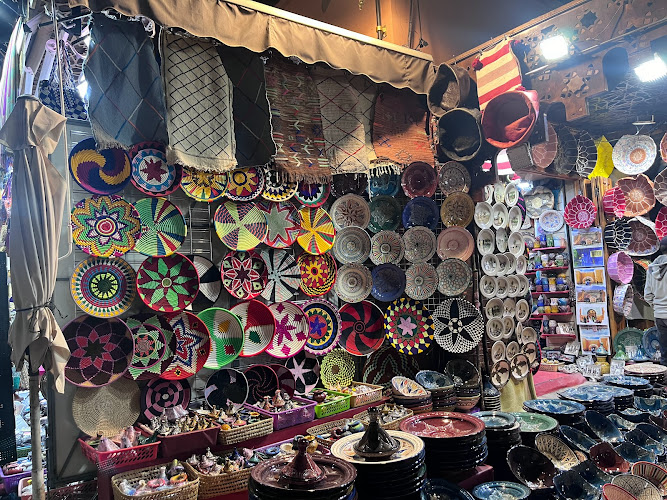
Walk the surrounding souks with a loose plan. Souk Semmarine is a useful entry point for lanterns, textiles, leather goods, ceramics, spices, and slippers. Browse first, ask before photographing artisans, and negotiate respectfully when you’re ready to buy. This Marrakech souk market overview helps you identify the shopping area before you go.
Make time for these landmark visits:
- Bahia Palace: Explore painted cedar ceilings, zellij tilework, courtyards, and rooms built for a prominent nineteenth-century household.
- Ben Youssef Madrasa: Visit for its carved plaster, tilework, and compact student rooms around a central courtyard. Confirm reopening details and entry rules before your trip.
- Le Jardin Secret: Pause among restored gardens and traditional water channels in the Medina.
- Jardin Majorelle: Reserve ahead for the cobalt-blue buildings, cacti, palms, and carefully composed garden paths. The official Marrakech exploration guide lists attractions and activities that help you confirm current access details.
- Musée Yves Saint Laurent Marrakech: Pair it with Majorelle if fashion, design, and the history of the garden interest you.
- Marrakech Museum: Add this Medina stop for art and architecture in a former palace setting. You can also locate Marrakech Museum when planning a walking route.
A traditional hammam adds a quieter counterpoint to the city’s pace. Choose a reputable public hammam with local guidance or a hotel spa if you prefer a more structured experience. A cooking class that includes a market visit gives you practical context for tagines, preserved lemons, spices, and Moroccan bread.
History, Culture, and Local Character
Marrakech developed as an imperial city whose identity still rests on its fortified Medina, trade routes, Islamic architecture, and Amazigh heritage.
The city was founded in the eleventh century under the Almoravids and later shaped by the Almohads, Saadians, and Alaouites. You’ll see traces of those eras in the Koutoubia Mosque, the Saadian Tombs, palace complexes, city walls, and water systems that sustained gardens and neighborhoods.
The Koutoubia Mosque is Marrakech’s most recognizable landmark. Non-Muslims do not enter the mosque, yet you can admire its minaret from the surrounding gardens and nearby streets. Respect prayer times and avoid blocking worshippers near entrances.
Craft is central to the city’s character. In the souks, you’ll encounter woodworkers, metalworkers, dyers, leather sellers, weavers, and ceramic workshops. Buy only what you want, take time to inspect workmanship, and ask about materials, care, and delivery before committing to large purchases such as rugs or furniture.
You’ll also encounter a living food culture. Order tanjia, a slow-cooked Marrakech specialty traditionally prepared in an urn-shaped clay vessel; try harira soup, pastilla, couscous, tagines, fresh orange juice, msemen flatbread, and mint tea. Friday is strongly associated with couscous in many Moroccan homes, so some restaurants feature it prominently then.
Cultural etiquette is direct and useful: greet people, ask permission before taking portraits, dress with awareness in conservative settings, and keep public affection discreet. A licensed guide is valuable on your first morning if you want historical context and confidence navigating the Medina.
Neighborhoods, Parks, and Outdoor Activities
Your choice of neighborhood shapes how Marrakech feels each day, from compact Medina lanes to the wider avenues of Guéliz and Hivernage.
The Medina places you close to Jemaa el-Fnaa, historic sights, souks, and traditional riads. Expect narrow lanes, motorbikes, uneven paving, and occasional difficulty finding a door for the first time. Arrange luggage help or a meeting point if your riad sits deep within pedestrian alleys.
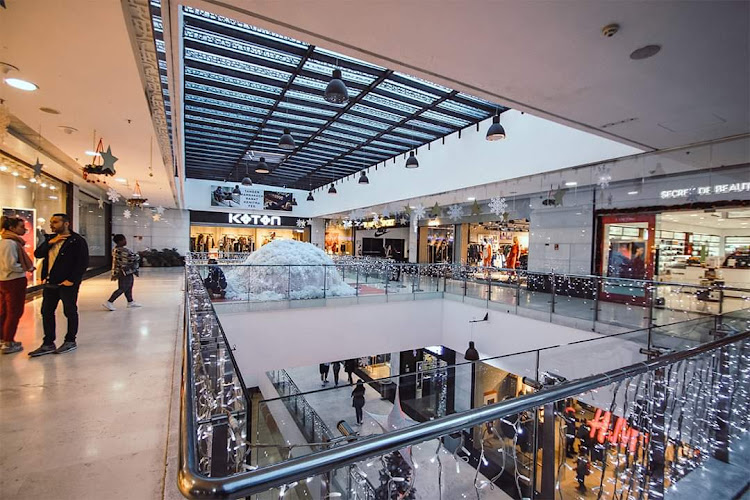
Guéliz is Marrakech’s modern district, with restaurants, cafés, galleries, shops, and a more familiar street grid. It suits you if you value easier access by taxi, contemporary hotels, and quieter evenings. Hivernage lies nearby and has larger hotels, nightlife, and resort-style facilities.
For green space, spend time in Jardin Majorelle, the Koutoubia gardens, Menara Gardens, or Agdal Gardens when open to visitors. Menara’s olive groves and pavilion provide a broader, less enclosed landscape than the Medina’s gardens. Check current opening information before setting out because garden access can change.
Marrakech also works well as an outdoor base. You can book a High Atlas Mountains day trip for village walks and mountain scenery, visit the Agafay stone desert for camel rides or dinner camps, or take an early-morning hot-air balloon trip over the plains. Choose operators with clear pickup arrangements, licensed drivers, transparent inclusions, and weather cancellation policies.
For a city-based activity that still feels local, walk from Bab Doukkala through the Medina toward the Kasbah, stopping at bakeries, small squares, and artisan stalls. Keep your route flexible because foot traffic, deliveries, and market activity change throughout the day.
Where to Stay and What to Eat
A riad in the Medina gives you Marrakech’s most atmospheric accommodation, while Guéliz and Hivernage offer easier vehicle access and a wider range of contemporary hotels.
Riads are traditional courtyard homes adapted into guesthouses. Their rooms may be small, their staircases steep, and their entrances difficult for taxis to reach, yet they offer calm interiors after a busy day outside. Ask before booking whether your room is on the ground floor, whether a vehicle can reach the entrance, and whether airport transfer or luggage assistance is available.
Choose your area by travel style:
- Medina: Best for first-time sightseeing, souks, rooftop breakfasts, and historic ambiance.
- Kasbah: A calmer southern Medina base close to the Saadian Tombs and El Badi Palace.
- Guéliz: Best for contemporary dining, galleries, broad streets, and practical taxi access.
- Hivernage: Best for full-service hotels, pools, and evening entertainment.
Book early during spring, autumn, school holidays, and major events. Small riads have limited inventory, and a rooftop, heated pool, accessible room, or family suite narrows your choices further.
For food, begin with a breakfast of msemen, baghrir pancakes, eggs, olives, fruit, amlou, and mint tea. At lunch, seek a simple tagine or grilled meats away from the busiest square. In the evening, choose between Jemaa el-Fnaa food stalls, a Medina rooftop, or modern Moroccan cooking in Guéliz.
Drink bottled or properly treated water if your stomach is sensitive, and choose busy food stalls where dishes are cooked hot and served quickly. Ask your riad host where they eat nearby for a reliable first-night recommendation.
How to Get There and Get Around
You’ll arrive through Marrakech Menara Airport or by rail and road connections from other Moroccan cities, then rely mainly on walking and short taxi rides within Marrakech.
From the airport, arrange a hotel transfer, use an official taxi rank, or choose a pre-booked driver. Confirm the fare before departure if the meter isn’t being used, and retain enough Moroccan dirhams for arrival expenses. Save your accommodation’s name, phone number, and map pin before landing because Medina addresses can confuse drivers.
If you’re coming from Casablanca, Rabat, Fez, or other cities, check the current rail timetable with Morocco’s national rail operator before buying tickets. Long-distance buses also connect major destinations, while a private driver gives you more control over hotel pickup and rest stops.
Inside Marrakech, walk the Medina. Cars can’t enter many lanes, and walking gives you the safest way to absorb the shifting routes. Wear supportive shoes, watch for motorbikes and handcarts, and avoid following unsolicited “guides” who offer directions and then demand payment.
For longer journeys, use petit taxis, hotel-arranged taxis, or ride-hailing where available. Ask for the meter or settle the fare before the trip begins. A current Marrakech transport guide identifies walking, petit taxis, Careem, and calèches as the main practical options.
Calèches offer a scenic ride around the walls and major avenues. Agree on duration, route, and total price before boarding. For self-guided planning, keep your hotel card with you and download an offline map before entering the Medina.
Best Time to Visit and Seasonal Planning
March through May and October through November give you the most comfortable conditions for sightseeing, gardens, and Atlas excursions.
During those shoulder seasons, published guidance places daytime temperatures around 23 to 30°C, a useful range for long walks through the souks and gardens. See this month-by-month Marrakech weather guide for seasonal temperature and crowd context.
Summer brings dry, intense heat. July and August daytime highs can reach 38 to 42°C, so plan outdoor visits early, rest during the afternoon, and reserve air-conditioned accommodation if you travel then. Carry water, sunscreen, and a hat, especially for Jemaa el-Fnaa, palace courtyards, and day trips beyond the city.
Winter offers mild daytime sightseeing weather and colder evenings. Pack layers for rooftop dinners, early airport transfers, and Atlas Mountain trips, where conditions are cooler than in the city. Rain is less predictable than heat, so bring a light waterproof layer for winter and early spring.
Ramadan changes the rhythm of meals, business hours, and nightlife. You can still visit, and evenings become particularly lively after the fast breaks. Show consideration by avoiding conspicuous eating or drinking in busy public areas during daylight, while recognizing that hotels and visitor-oriented restaurants continue serving guests.
Book flights and riads earlier for school holidays and peak spring or autumn dates. If flexible timing is your priority, use these best-time-of-year planning tips alongside Marrakech’s weather pattern.
A Practical Two- or Three-Day Itinerary
A three-day plan gives you a strong first visit without turning Marrakech into a checklist.
Day 1: Medina essentials. Begin at the Koutoubia gardens, then enter Jemaa el-Fnaa while it’s easier to navigate. Visit Bahia Palace and the Saadian Tombs, pause for lunch near the Kasbah, and spend the afternoon browsing the souks.
Return to Jemaa el-Fnaa at sunset for the square’s evening atmosphere, then choose a rooftop dinner or a food stall with visible turnover.
Day 2: Gardens and design. Reserve an early Jardin Majorelle entry, then visit Musée Yves Saint Laurent Marrakech if it fits your interests. Continue to Guéliz for lunch and a slower afternoon of galleries, cafés, or shopping.
End with a hammam appointment or a Moroccan cooking class. Confirm entry times for Majorelle before committing to the rest of the day.
Day 3: Choose your pace. Stay in the city for Ben Youssef Madrasa, Le Jardin Secret, Marrakech Museum, and unhurried shopping. If you want scenery, book a full-day High Atlas trip, an Agafay excursion, or a longer journey to Essaouira.
Do not combine a major day trip with multiple Medina monuments, since drive times and heat reduce your available energy.
With only two days, combine the Day 1 Medina route with the Day 2 gardens plan. Skip the day trip and keep one free block for a café, a hammam, or purchases you want to reconsider before buying.
Use a trip itinerary planning framework to leave buffer time around airport arrival, restaurant reservations, and timed garden entry.
Costs, Safety, Accessibility, and Reservations
Marrakech can suit a wide range of budgets, though your total cost rises quickly with boutique riads, private guides, spa treatments, and private day trips.
Your daily spending will vary by accommodation standard, restaurant choice, shopping, and transport. Confirm current prices directly with hotels, attractions, and tour providers because admissions, transfers, and menus change.
Keep cash for small purchases, while carrying a payment card for hotels and larger restaurants.
Marrakech is widely visited by international travelers, and routine precautions go a long way. Use a cross-body bag with secure closures, avoid displaying large amounts of cash, decline persistent sales approaches politely, and arrange licensed guides through your accommodation or recognized operators.
For current entry requirements and security advice, consult your own government’s Morocco travel advisory before departure.
Accessibility requires advance planning. The Medina has cobblestones, steps, narrow alleys, uneven surfaces, motorbike traffic, and limited vehicle access.
Ask your accommodation about step-free access, bathroom layout, lift availability, nearest drop-off point, and staff assistance. Guéliz is easier for you if you use a wheelchair, travel with a stroller, or need smoother walking routes.
Reserve these in advance:
- Jardin Majorelle and any timed museum entry.
- Small riads, especially rooms with specific accessibility or family needs.
- Airport transfers for late arrivals or deep-Medina accommodation.
- Private guides, cooking classes, hammams, and popular dinner venues.
- Atlas, Agafay, balloon, or Essaouira excursions.
Keep reservation confirmations offline and confirm pickup locations in writing. A Medina landmark or gate works better than a long alley address for many drivers.
Sources and Current Planning Links
Use official and current resources to confirm bookings, hours, travel rules, and local conditions before you leave.
- Check attractions, restaurants, activities, and seasonal listings through the official Marrakech visitor guide.
- Browse the destination overview for Marrakech travel planning when building your shortlist.
- Review current traveler feedback and attraction listings through Marrakech activities and visitor reviews.
- For practical first-timer context on riads, food, Medina navigation, and day trips, consult this 2026 Marrakech trip-planning guide.
- Check your government’s Morocco entry, health, and security guidance before booking flights, particularly if you hold a passport that requires a visa.
Frequently Asked Questions
Marrakech works best when you give yourself enough time to slow down, use your riad as a reset point, and pre-book the places with timed entry.
Is Marrakech worth visiting?
Marrakech is worth visiting if you want a concentrated introduction to Moroccan architecture, food, crafts, and city life. You get historic monuments, gardens, hammams, shopping, and access to the Atlas Mountains from one base.
How many days are enough to see Marrakech?
Three days are enough for Marrakech’s major sights, a garden visit, market time, and a food or hammam experience. Add a fourth day if you want a day trip without rushing your time in the Medina.
What can families do in Marrakech?
Families can visit Jardin Majorelle, take a calèche ride, join a cooking class, explore palace courtyards, and enjoy an early evening in Jemaa el-Fnaa. Choose a riad with a pool or family room, plan breaks during the hottest hours, and keep close watch around busy lanes and motorbikes.
What day trips can you take from Marrakech?
You can take day trips to the High Atlas Mountains, Agafay Desert, Ourika Valley, and Essaouira. Choose the Atlas or Ourika for mountain scenery, Agafay for a shorter desert-style outing, and Essaouira for Atlantic coast air and a full day of driving.
Is Marrakech safe for American travelers?
Marrakech is a major international destination where American travelers can visit comfortably with routine city precautions. Check the current U.S. government travel advisory, use official transport arrangements, protect valuables in crowds, and avoid unlicensed guides or pressured purchases.
What should women know before visiting Marrakech?
Women can travel independently in Marrakech with some practical planning and clear boundaries. Wear clothing that feels comfortable and modest for the setting, use a reputable airport transfer after dark, and decline unwanted attention without engaging. When needed, ask your riad to arrange guides or taxis.
Affiliate placeholder: Compare accommodation options after checking the official property details, location, and cancellation terms.
Affiliate placeholder: Check current activity availability, meeting points, accessibility, and cancellation terms before reserving.