Editorial disclosure: This destinations.ai guide was prepared with AI assistance and checked against the official sources linked below. Accommodation and activity placeholders may use affiliate links; that does not change the planning advice.
Overview: Why Visit Flores, Indonesia
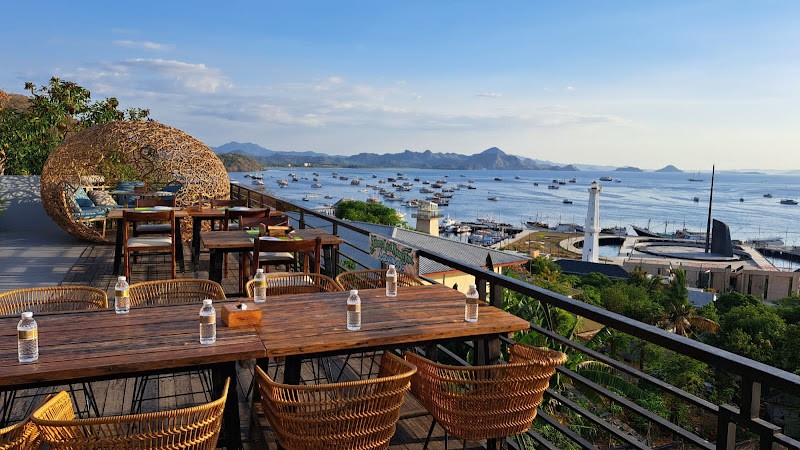
Flores, an island in Indonesia’s East Nusa Tenggara province stretching 360 kilometers from west to east, is an extraordinary archipelago destination combining world-class marine biodiversity with distinct indigenous cultures and volcanic landscapes. As the primary launchpad for Komodo National Park, Flores attracts travelers seeking encounters with the world’s largest living lizards, pristine coral reefs, and traditional mountain villages.
Key highlights include sailing through the Komodo archipelago from the western harbor hub of Labuan Bajo, trekking to the iconic panoramic sunrise ridge of Padar Island, snorkeling with giant oceanic manta rays at Manta Point, hiking to the mist-shrouded conical thatched ancestral houses of Wae Rebo, witnessing the megalithic stone shrines of Bena Village beneath Mount Inerie, marveling at the unique spiderweb rice fields in Cancar, viewing the three color-changing volcanic crater lakes of Mount Kelimutu, and savoring fresh grilled red snapper (ikan bakar) at coastal night markets.
Best Time to Visit Flores
Quick answer: Dry Season (April to October): The premier travel window across Flores and Komodo. Clear blue skies, minimal rainfall, and calm sea conditions make this period ideal for liveaboard scuba cruises, island hopping, and overland trekking along the Trans-Flores Highway. Peak months are July and August, when temperatures average 29°C to 32°C (84°F to 90°F) with cooler evening breezes in the highlands.
- Dry Season (April to October): The premier travel window across Flores and Komodo. Clear blue skies, minimal rainfall, and calm sea conditions make this period ideal for liveaboard scuba cruises, island hopping, and overland trekking along the Trans-Flores Highway. Peak months are July and August, when temperatures average 29°C to 32°C (84°F to 90°F) with cooler evening breezes in the highlands.
- Manta Ray & Diving Season (May to September): Underwater visibility peaks between 20 and 30 meters throughout the Komodo marine corridor, with frequent manta ray aggregations at Karang Makassar (Manta Point) and Batu Bolong.
- Shoulder & Green Season (November & March): Transitional months offering lush green landscapes, fewer tourists in Labuan Bajo, and lower accommodation rates. Expect brief tropical afternoon rain showers.
- Wet Monsoon Season (December to February): Heavy monsoon rains and rough ocean swells can disrupt boat crossings and cause localized landslides along rural mountain roads. Several marine operators suspend liveaboards during January and February.
Key Marine Parks, Volcanic Lakes & Indigenous Villages
Quick answer: Komodo National Park & Rinca Island: A UNESCO World Heritage site and Biosphere Reserve protecting over 3,000 endemic Komodo dragons ( Varanus komodoensis ), prehistoric carnivorous monitor lizards growing up to 3 meters (10 feet) in length and weighing over 70 kilograms. Ranger-guided walking treks traverse dry savannah scrublands on Komodo and Rinca islands, passing wild Timor deer, water buffalo, and wild boars.
- Komodo National Park & Rinca Island: A UNESCO World Heritage site and Biosphere Reserve protecting over 3,000 endemic Komodo dragons (Varanus komodoensis), prehistoric carnivorous monitor lizards growing up to 3 meters (10 feet) in length and weighing over 70 kilograms. Ranger-guided walking treks traverse dry savannah scrublands on Komodo and Rinca islands, passing wild Timor deer, water buffalo, and wild boars.
- Padar Island & Pink Beach: Padar Island features a dramatic rugged volcanic ridge. A 30-minute stone staircase hike to the summit reveals an iconic panoramic view: three distinct crescent bays side by side, featuring white, black volcanic, and pink coral sands. Nearby, Pink Beach (Pantai Merah) on Komodo Island gets its striking rose-tinted blush from pulverized microscopic red organisms (foraminifera) blended with white calcium carbonate sands, bordered by thriving coral gardens.
- Mount Kelimutu’s Tri-Colored Crater Lakes: Located near the highland village of Moni in central Flores. An active 1,639-meter volcano famous for its three summit crater lakes that dramatically and unpredictably change color independently from turquoise blue and moss green to deep chocolate brown and blood red. The shifting hues result from chemical reactions between volcanic subaqueous fumarole gases, dissolved minerals, and seasonal oxidation levels. Sunrise viewings from the summit ridge are unforgettable.
- Wae Rebo Traditional Village: A remote mountain hamlet of the indigenous Manggarai people located at 1,100 meters altitude, accessible via a 3-hour guided uphill jungle trek from Denge. Wae Rebo preserves seven circular, five-story conical thatched timber structures known as Mbaru Niang (recognized with a UNESCO Asia-Pacific Heritage Award), where families live together and practice sustainable heritage agriculture.
- Bena Megalithic Village & Bajawa: Located in the central highlands at the foot of active conical volcano Mount Inerie (2,245m). Bena is an ancestral Ngada village characterized by two parallel rows of high-thatched wooden houses flanking ancient stone megaliths (watu), ancestor worship shrines (ngadhu and bhaga), and master weavers producing intricate hand-loomed ikat textiles.
- Cancar Spiderweb Rice Fields (Lingko): Located near Ruteng. These unique communal paddy fields are carved into circular pie-shaped webs radiating outward from a central wooden pole (lodok), reflecting the ancestral communal land distribution system of the Manggarai people.
Suggested 5-Day Flores Itinerary
Quick answer: Day 1: Arrival in Labuan Bajo & Harbor Sunset. Fly into Komodo International Airport (LBJ). Check into your seaside hotel, wander the harbor promenade, and take a sunset boat out to Kalong Island to watch thousands of giant fruit bats (flying foxes) take flight at dusk. Enjoy fresh grilled fish at the night market.
- Day 1: Arrival in Labuan Bajo & Harbor Sunset. Fly into Komodo International Airport (LBJ). Check into your seaside hotel, wander the harbor promenade, and take a sunset boat out to Kalong Island to watch thousands of giant fruit bats (flying foxes) take flight at dusk. Enjoy fresh grilled fish at the night market.
- Day 2: Full-Day Komodo & Padar Speedboat Tour. Board an early morning speedboat to Padar Island for the sunrise ridge hike. Cruise to Komodo Island for a ranger-led dragon trek. In the afternoon, swim and snorkel at Pink Beach and drift over manta rays at Manta Point before returning to Labuan Bajo.
- Day 3: Overland to Ruteng & Spiderweb Fields. Hire a private driver to journey east on the Trans-Flores Highway. Stop at Liang Bua cave (where the “Hobbit” fossil Homo floresiensis was discovered) and photograph the spiderweb rice fields at Cancar. Overnight in the cooler mountain town of Ruteng.
- Day 4: Bajawa Highland Megaliths & Malanage Hot Springs. Drive to Bajawa. Explore the megalithic stone courts and thatched architecture of Bena Village. In the afternoon, soak in the natural geothermal thermal river at Malanage Hot Springs, where hot volcanic water mixes with a cold mountain creek.
- Day 5: Mount Kelimutu Sunrise & Departure from Ende. Drive to Moni. Hike to the rim of Mount Kelimutu at dawn to watch the morning light illuminate the three tri-colored volcanic lakes. Descend to Ende Airport (ENE) for your return flight to Bali or Jakarta.
East Nusa Tenggara Gastronomy
Quick answer: Ikan Bakar with Sambal Dabu-Dabu: Freshly caught whole red snapper, grouper, or trevally marinated in lime juice and sweet soy sauce, grilled over coconut husk embers and served with zesty dabu-dabu salsa (diced tomatoes, shallots, bird’s eye chilies, calamansi lime, and hot coconut oil).
- Ikan Bakar with Sambal Dabu-Dabu: Freshly caught whole red snapper, grouper, or trevally marinated in lime juice and sweet soy sauce, grilled over coconut husk embers and served with zesty dabu-dabu salsa (diced tomatoes, shallots, bird’s eye chilies, calamansi lime, and hot coconut oil).
- Se’i Sapi: Traditional East Nusa Tenggara smoked meat: tender strips of beef or pork cured in sea salt and spices, then slowly hot-smoked for hours over aromatic wood embers of the local *kosambi* tree, resulting in an intense smoky flavor.
- Kolo (Bamboo Rice): A ceremonial harvest dish prepared by stuffing spiced seasoned rice and coconut milk into hollow green bamboo culms, then slowly roasting them vertically over open wood fires.
- Bajawa Organic Arabica Coffee: Grown on the high-altitude volcanic mountain slopes of Bajawa between 1,200 and 1,800 meters. Known for smooth body, chocolatey aroma, low acidity, and floral citrus notes.
Practical Travel Tips, Transit & Budget
Quick answer: Getting Around: Komodo International Airport (LBJ) in Labuan Bajo has multiple daily direct flights from Bali (DPS) and Jakarta (CGK). For overland journeys along the winding Trans-Flores Highway, hiring an air-conditioned car with an experienced local driver is the most practical choice ($50–$65 USD/day including fuel). Regional airports in Ende (ENE) and Maumere (MOF) allow for easy one-way itineraries across the island.
- Getting Around: Komodo International Airport (LBJ) in Labuan Bajo has multiple daily direct flights from Bali (DPS) and Jakarta (CGK). For overland journeys along the winding Trans-Flores Highway, hiring an air-conditioned car with an experienced local driver is the most practical choice ($50–$65 USD/day including fuel). Regional airports in Ende (ENE) and Maumere (MOF) allow for easy one-way itineraries across the island.
- Komodo National Park Fees: Entry fees, ranger fees, and conservation passes for Komodo National Park are paid separately from boat charter rates. Always book through licensed reputable tour operators.
- Daily Budget Breakdown:
- Budget backpacker: $30–$50 USD (450,000–750,000 IDR)/day (hostel dorm in Labuan Bajo, local *warung* meals for $2–$4, public bemo minibuses). Note that Komodo boat day trips cost an additional $60–$100.
- Mid-range traveler: $90–$180 USD (1,400,000–2,800,000 IDR)/day (boutique seafront hotel, shared speed boat day tour, private car on overland legs, sit-down seafood restaurants).
- Luxury traveler: $450–$1,200+ USD/day (multi-day private charter aboard a luxury Indonesian *Phinisi* wooden schooner, 5-star resort like AYANA Komodo Waecicu Beach, private naturalist guides).
Frequently Asked Questions
Where do Komodo dragons live in Flores?
Komodo dragons live primarily within Komodo National Park on the islands of Komodo, Rinca, Gili Motang, and Nusa Kode, as well as in small coastal wildlife reserves on mainland western Flores.
Why do the lakes of Mount Kelimutu change color?
Mount Kelimutu’s three volcanic crater lakes change color independently due to chemical interactions between submerged volcanic gas vents (fumaroles), dissolved mineral contents, and seasonal oxidation levels.
What is Wae Rebo village famous for?
Wae Rebo is an isolated indigenous mountain village in western Flores famous for its seven unique, five-tiered conical thatched ancestral houses known as Mbaru Niang, recognized by UNESCO for cultural heritage preservation.
Affiliate placeholder: Compare accommodation options after checking the official property details, location, and cancellation terms.
Affiliate placeholder: Check current activity availability, meeting points, accessibility, and cancellation terms before reserving.
Sources and current planning links
Explore more destinations.ai travel guides when building a longer route.
For a longer regional route, compare Tokyo, Bangkok, Istanbul, Kyoto, Singapore with this destination before finalizing your itinerary.
Explore Flores by Category: Discover top curated spots across Flores Attractions & Sightseeing, Best Places to Stay in Flores, Flores Restaurants & Dining.