Editorial disclosure: This destinations.ai guide was prepared with AI assistance and checked against the official sources linked below. Accommodation and activity placeholders may use affiliate links; that does not change the planning advice.
Istanbul is Turkey’s largest city and the only major metropolis straddling two continents, split by the Bosphorus strait into European and Asian sides. A former capital of both the Byzantine and Ottoman empires, it brims with monumental history.
The crowning sights cluster in the Sultanahmet district: the magnificent domed Hagia Sophia, the elegant Blue Mosque with its cascade of domes and six minarets, the opulent Topkapi Palace of the Ottoman sultans, and the atmospheric underground Basilica Cistern. Wander the labyrinthine Grand Bazaar and Spice Bazaar, take a ferry along the Bosphorus, and sample street food in lively neighborhoods.
The best time to visit is spring (March to May) or autumn (September to November), when daytime temperatures are mild and the crowds at major attractions are more manageable; April adds the colorful citywide tulip festival.
Affiliate placeholder: Compare accommodation options after checking the official property details, location, and cancellation terms.
Affiliate placeholder: Check current activity availability, meeting points, accessibility, and cancellation terms before reserving.
Sources and current planning links
Explore more destinations.ai travel guides when building a longer route.
How to plan an Istanbul visit
Istanbul is easiest to plan by neighborhood and shore: spend focused time in Sultanahmet, cross into Beyoğlu or Karaköy for contemporary city life, and use a Bosphorus ferry or waterfront walk to understand the city’s geography. The former imperial sights are concentrated enough to visit on foot, but queues, prayer times, traffic, hills, and the scale of the city reward a flexible plan.
The official Istanbul visitor site presents the city through history, architecture, culture, events, food, and neighborhoods. Use it for current exhibitions and visitor information, then check each attraction’s own rules, ticketing, clothing expectations, and opening arrangements. A good itinerary alternates monumental interiors with streets, markets, tea, and views so the city does not become a succession of queues.
What are the best things to do in Istanbul?
First-time visitors usually combine Hagia Sophia, the Blue Mosque, Topkapı Palace, the Basilica Cistern, the Grand Bazaar, and a Bosphorus experience. These landmarks show different layers of Istanbul’s religious, imperial, commercial, and architectural history. Choose a few deeply instead of adding every museum to one morning.
Sultanahmet is the natural starting point for the city’s classic monuments. Check current visitor entrances, prayer or worship arrangements, security, and ticket requirements before joining a line. Dress respectfully where required, keep shoulders and knees covered when appropriate, and remember that active religious buildings are not merely backdrops for photographs.
Topkapı Palace needs more time than a quick exterior visit because its courtyards, collections, gardens, and viewpoints unfold across a large complex. The Basilica Cistern provides a cooler and darker contrast to the sunlit squares above. Reserve energy for the walk between sites, and allow an indoor café or lunch break when the heat, rain, or crowds build.
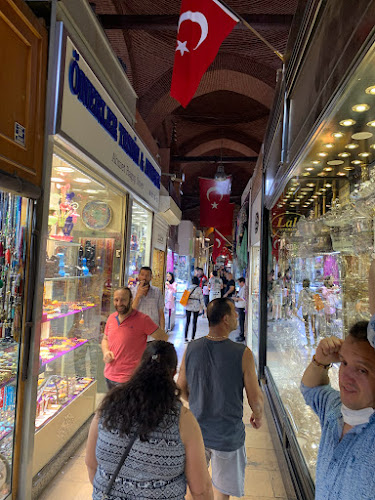
The Grand Bazaar and Spice Bazaar are experiences as much as shopping stops. Browse slowly, compare terms, and do not feel pressured to buy. The surrounding lanes lead toward cafés, workshops, mosques, and food counters that can be more rewarding than a rushed souvenir circuit. Keep valuables secure in crowded passages and agree on a meeting point if you are traveling in a group.
A ferry ride or waterfront walk shows why Istanbul feels like several cities at once. The Bosphorus separates and connects European and Asian neighborhoods, and the experience changes with weather, light, and route. Check the current timetable, boarding point, fare, and last return before treating a ferry as the backbone of an evening plan.
Where should you stay in Istanbul?
Stay in Sultanahmet for immediate access to historic monuments, Beyoğlu or Karaköy for restaurants and evening energy, or near a reliable transport connection when you want to cover both sides of the city. Istanbul’s hills, bridges, traffic, and hotel streets matter more than a simple distance calculation.
Check the exact street, slope, lift, sound level, airport transfer, breakfast schedule, air conditioning, luggage storage, and cancellation policy. A beautiful historic building may have stairs or limited sound insulation. If you plan late dinners or early tours, ask the property how guests return and whether the entrance remains staffed.
What should you eat in Istanbul?
Eat in Istanbul for breakfast spreads, simit, kebabs, meze, grilled fish, seasonal vegetables, baklava, Turkish coffee, and neighborhood restaurants that make a meal part of the itinerary. The best food route balances a planned restaurant with smaller discoveries. Ask what is fresh and what the kitchen recommends today.
Markets and street-food counters can be excellent, but follow your own health needs and choose busy, well-managed vendors. Tell staff about allergies, nuts, dairy, fish, and spice. Reserve a special meal only after checking the location and return transport; crossing the city for dinner can turn an enjoyable plan into a traffic exercise.
What is the best time to visit Istanbul?
Spring and autumn are often comfortable for long walks, while summer offers longer days and busy waterfront life and winter can bring quieter museums with colder, wetter spells. Check the current forecast and event calendar because demand, ferry conditions, and attraction queues change by date. April’s tulip displays and other events can be a reason to visit and a reason to book early.
Plan outdoor markets, viewpoints, and ferry rides around the weather, then keep a palace, cistern, museum, or café as a backup. Major religious holidays and public events can change access or crowd patterns. Confirm current dates and operating arrangements rather than assuming a recurring calendar item will match an old article.
How do you get around Istanbul?
Walk within compact neighborhoods, use the current tram, metro, ferry, or bus network for longer journeys, and use a reputable taxi or transfer when luggage, weather, or late hours make public transport less practical. Buy or load the correct current fare product, check the route, and leave margin for crowds and station walks.
Istanbul is a city where a route can be short in distance and long in effort. Wear comfortable shoes, save your hotel address offline, and check whether a hill, bridge, or transfer affects travelers with mobility needs. For airport or intercity travel, confirm the terminal, pickup point, luggage time, and traffic assumptions on the day.
Is Istanbul good for families and accessible travel?
Istanbul works for families when each day includes one major historic sight, one open or food-focused break, and a route that does not require crossing the city repeatedly. Children may enjoy ferries, cisterns, bazaars, parks, and stories of palaces more than a long sequence of formal museums. Check stroller access, toilets, shade, and age rules.
Accessibility varies across old buildings, cobbled streets, steep lanes, ferries, and modern stations. Ask venues about step-free entrances, lifts, accessible bathrooms, seating, and drop-off points. A private guide can reduce friction, but confirm the itinerary and vehicle before booking. Build a shorter alternative for any traveler who needs a quieter or less crowded day.
A practical three-day Istanbul itinerary
Three days can cover the core monuments, one modern neighborhood, a market, a Bosphorus experience, and several proper meals without treating Istanbul as a checklist. Add time for the Asian side or a slower museum day if you can.
- Day one: Explore Sultanahmet with a confirmed plan for Hagia Sophia, the Blue Mosque, a palace or cistern, and an unhurried meal.
- Day two: Walk or ride through Beyoğlu, Karaköy, Galata, and nearby cultural streets, then choose a current event or rooftop-free waterfront view.
- Day three: Take a current ferry or Bosphorus route, browse a market, and keep the evening close to your hotel or departure connection.
What day trips work from Istanbul?
The Princes’ Islands, the Asian shore, and nearby historic or natural sites can extend an Istanbul trip, but a day trip should not compete with the city’s main neighborhoods. Check current ferry or road conditions, weather, return times, and seasonal opening information. Leave a buffer before a flight or a nonrefundable evening reservation.
Istanbul rewards travelers who give it a little structure and a lot of attention. Use the current official visitor information below, keep your route geographically sensible, and leave room for tea, ferries, prayer calls, changing light, and the unscripted details that make the city feel alive.
For a longer regional route, compare Cairo, Egypt, Petra, Jordan, Dubai, United Arab Emirates with this destination before finalizing your itinerary.
Frequently asked questions
What is Istanbul, Turkey best known for?
Istanbul is Turkey's largest city and the only major metropolis straddling two continents, split by the Bosphorus strait into European and Asian sides. A former capital of both the Byzantine and Ottoman empires, it brims with monumental history.
When is the best time to visit Istanbul?
The best time to visit is spring (March to May) or autumn (September to November), when daytime temperatures are mild and the crowds at major attractions are more manageable; April adds the colorful citywide tulip festival.
How many days should you spend in Istanbul?
Plan about 3 days for a first visit, then add time if you want to explore beyond the central sights.
How should you get around Istanbul?
Stay in Sultanahmet for immediate access to historic monuments, Beyoğlu or Karaköy for restaurants and evening energy, or near a reliable transport connection when you want to cover both sides of the city.
What should you book ahead in Istanbul?
Reserve energy for the walk between sites, and allow an indoor café or lunch break when the heat, rain, or crowds build.
Explore Istanbul by Category: Discover top curated spots across Istanbul Attractions & Sightseeing, Best Places to Stay in Istanbul, Istanbul Restaurants & Dining.