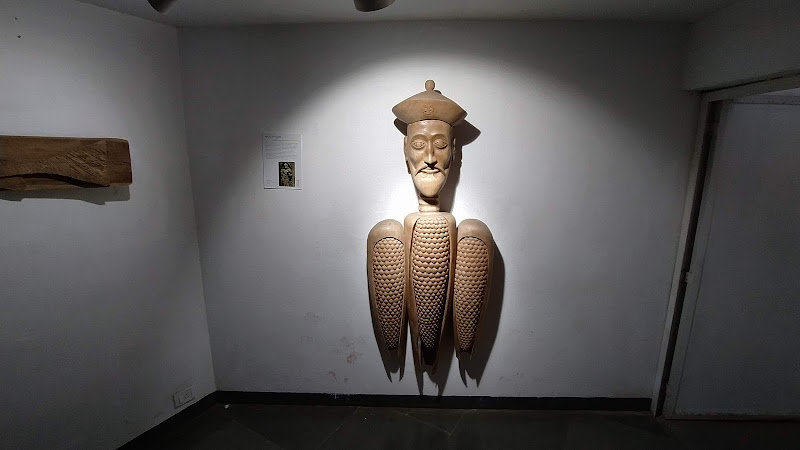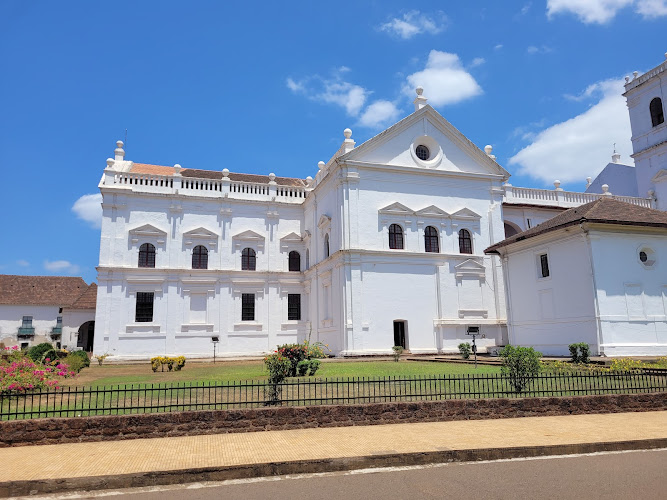
Archaeological Survey of India is the Archaeological Museum and Portrait Gallery in the former 16th-century Convent of St Francis of Assisi, beside the Se Cathedral precinct at GW36+79H, Old Goa, Goa 403402. Established as a museum in 1964, it brings together sculpture, inscriptions, hero stones, coins and Portuguese-period portraits that trace Goa from early regional kingdoms through its colonial capital; travelers come for a compact, scholarly counterpoint to Old Goa’s monumental churches.
What to Expect at Archaeological Survey of India
The museum occupies an atmospheric laterite-and-plaster convent building associated with the adjoining Church of St Francis of Assisi. Its galleries are arranged broadly by period and material, moving through prehistoric and early-historic objects, Hindu and Jain sculpture, medieval Goan material and the Portuguese era. Allow time for the carved stone images: Vishnu, Brahma, Surya, Mahishasuramardini and Gajalakshmi reveal the religious traditions that predated Portuguese rule, while weathered hero stones preserve memorial imagery of warriors and local life.
The Portrait Gallery is the museum’s defining Old Goa section, with formal likenesses of Portuguese viceroys and governors that place the city in the history of the Estado da Índia. Look also for inscriptions, coins, arms and decorative architectural fragments. Start with the upper-level portrait displays at opening time, then work back through the sculpture rooms before tour groups reach the church complex. Galleries are interpretive rather than interactive, so it rewards unhurried looking and reading. Photography restrictions apply inside the collection galleries; confirm the day’s rules with staff. There is no destination restaurant on site, so plan a water and meal stop around the Old Goa visitor area.
- Portrait Gallery: Period portraits of Portuguese viceroys and governors, linking Old Goa to the former imperial administration.
- Hindu sculpture: Carved stone images of deities including Vishnu, Brahma, Surya and Mahishasuramardini from Goa and its wider region.
- Hero stones: Memorial slabs whose carved figures document martial commemoration and medieval visual culture.
- Convent setting: A museum route through the historic Franciscan convent beside the richly gilded Church of St Francis of Assisi.
- Epigraphy and numismatics: Inscriptions and coins that add documentary evidence to the sculptural displays.
Archaeological Survey of India at a Glance
| Detail | Information |
|---|---|
| Address | Archaeological Museum and Portrait Gallery, former Convent of St Francis of Assisi, GW36+79H, Old Goa, Goa 403402, India |
| Neighborhood / Area | Old Goa’s UNESCO-listed church precinct, near Se Cathedral and the Basilica of Bom Jesus |
| Operating Hours | 10am–5pm Saturday–Thursday; closed Friday |
| Admission / Price Range | Paid admission; low-cost $ ASI museum visit. Check current ticket categories at the official ASI website. |
| Recommended Visit Duration | 45 to 75 minutes |
| Nearest Transit / Parking | Old Goa bus stop; Karmali railway station is about 2 km away. Public visitor parking is available around the Old Goa church complex. |
| Official Website & Phone | Archaeological Survey of India; Goa Circle office: +91 832 228 4710 |
Visiting Tips, Getting There & Nearby Pairings
Arrive close to the 10am opening for the quietest gallery time and pair the museum with the Church of St Francis of Assisi next door. The Basilica of Bom Jesus, home to the relics of St Francis Xavier, is roughly a five-minute walk across the central precinct; the immense Se Cathedral is similarly close. Buses from Panaji and other Goa towns stop at Old Goa, while travelers arriving by rail can take a short taxi or auto-rickshaw from Karmali. Drivers should use the designated visitor parking areas rather than attempting to stop on the narrow roads by the monuments.
This is a historic convent conversion, not a purpose-built barrier-free museum. Ground-level access is the easiest approach, but internal level changes and stair sections can limit a full independent wheelchair or stroller circuit; ask the entrance staff for the most practical route and assistance on arrival. Wear shoes suitable for uneven stone surfaces across the precinct, and dress modestly if continuing into the active church spaces. For a longer cultural walk, add the Archaeological Museum’s neighboring church, the Basilica of Bom Jesus and the Se Cathedral; all lie within about 5 to 10 minutes on foot.
Frequently Asked Questions
When is the Archaeological Survey of India museum in Old Goa open?
The museum opens 10am–5pm from Saturday through Thursday and closes on Friday. Visit at opening, particularly from November through February, to see the galleries before the church precinct’s larger sightseeing groups arrive.
How much does it cost, and do I need to book ahead?
This is a paid, budget-level ASI museum rather than a free church visit. Individual visitors can normally buy admission on arrival; use the official ASI website to check current Indian and international visitor ticket categories before traveling.
How long should I allow for the museum?
Budget 45 to 75 minutes for the portrait rooms, sculpture galleries, inscriptions and the historic convent setting. Allow two to three hours if combining it with the Basilica of Bom Jesus, Se Cathedral and Church of St Francis of Assisi.
Is the museum suitable for families and wheelchair users?
Families interested in history can manage a short visit well, although the displays are most rewarding for older children who can engage with labels and sculpture. The heritage layout includes uneven surfaces and stairs, so wheelchair users and visitors with strollers should request the accessible ground-level route from staff.
When planning your Goa travel guide or browsing verified attractions in Goa, pair this stop with standout local spots including Vivanta Goa, Panaji, A Reverie, Goa Chitra Museum, and Archaeological Museum of Goa (nearby).