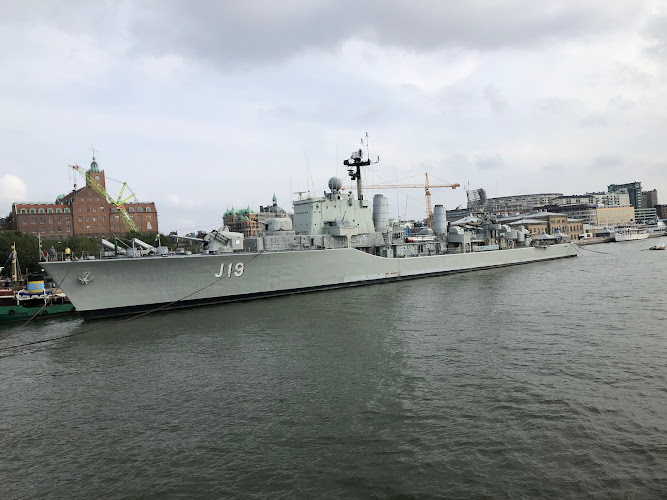
Quick answer: Gothenburg is Sweden’s west-coast maritime hub, characterized by Dutch-style canals, cobblestone streets in historic Haga, world-class fresh seafood markets, and ferry access to the car-free southern archipelago islands.
Editorial disclosure: This destinations.ai guide was prepared with AI assistance and checked against the official sources linked below. Accommodation and activity placeholders may use affiliate links; that does not change the planning advice.
Overview: Why Visit Gothenburg
Gothenburg (Göteborg), Sweden, dynamically positioned on the country’s rugged West Coast where the Göta River empties into the Kattegat sea, is Sweden’s vibrant second city and maritime cultural capital. Originally laid out in 1621 by Dutch planners with an intricate network of fortified canals, Gothenburg seamlessly combines historic 17th-century stone fortifications with cutting-edge Scandinavian sustainable design.
From enjoying traditional fika with giant cinnamon buns along the cobblestone streets of historic Haga and sampling freshly shucked West Coast oysters at the iconic Feskekôrka (“Fish Church”) to riding world-class roller coasters at Liseberg, exploring the car-free granite islands of the Gothenburg Archipelago, and touring the groundbreaking World of Volvo experience center, Gothenburg provides an authentic, friendly Swedish coastal getaway.
Best Time to Visit Gothenburg
Quick answer: Summer (June to August): The golden season of the Swedish West Coast. Long, light-filled days with up to 18 hours of daylight and comfortable temperatures averaging 20°C to 25°C (68°F to 77°F). This is the prime time for ferry hopping across the car-free southern archipelago, swimming in coastal granite coves, outdoor concerts at Liseberg, and lively canal-side dining.
- Summer (June to August): The golden season of the Swedish West Coast. Long, light-filled days with up to 18 hours of daylight and comfortable temperatures averaging 20°C to 25°C (68°F to 77°F). This is the prime time for ferry hopping across the car-free southern archipelago, swimming in coastal granite coves, outdoor concerts at Liseberg, and lively canal-side dining.
- Autumn (September to October): The celebrated West Coast shellfish season (including the start of the annual Bohuslän lobster harvest). Crisp, fresh maritime air with highs averaging 12°C to 17°C (54°F to 63°F), golden autumn foliage across Slottsskogen Park, and cozy candlelight dining in Haga.
- Winter (Late November to December): “Christmas City Gothenburg” (Julstaden). Liseberg transforms into Scandinavia’s largest and most magical Christmas market illuminated by more than 5 million fairy lights, complemented by open-air ice-skating rinks, choir performances along the canals, and steaming mugs of spiced Swedish glögg.
- Spring (April to May): Cherry blossoms bloom across the world-renowned Gothenburg Botanical Garden and Trädgårdsföreningen. Temperatures warm to 14°C to 18°C (57°F to 64°F) with minimal tourist crowds.
Key Highlights & Maritime Attractions
Quick answer: Haga Historic Quarter & Giant Cinnamon Buns: Gothenburg’s oldest suburban quarter, dating to 1648. Stroll picturesque cobblestone pedestrian streets framed by preserved 19th-century landshövdingehus (“governor’s houses” with stone ground floors and timber upper levels). Browse independent antique shops, craft boutiques, and historic cafes like Café Husaren , famous for serving legendary plate-sized hagabullen (giant Swedish cinnamon buns).
- Haga Historic Quarter & Giant Cinnamon Buns: Gothenburg’s oldest suburban quarter, dating to 1648. Stroll picturesque cobblestone pedestrian streets framed by preserved 19th-century landshövdingehus (“governor’s houses” with stone ground floors and timber upper levels). Browse independent antique shops, craft boutiques, and historic cafes like Café Husaren, famous for serving legendary plate-sized hagabullen (giant Swedish cinnamon buns).
- Feskekôrka (“The Fish Church”): Gothenburg’s premier indoor seafood hall, built in 1874 with distinctive architecture resembling a Gothic church. Following a master renovation, it features fresh fishmongers, raw oyster and champagne bars, and waterfront canal terraces serving freshly caught Skagerrak shellfish.
- Liseberg Amusement Park: Scandinavia’s largest theme park, attracting over 3 million visitors annually since opening in 1923. Home to world-ranked wooden roller coasters (Balder), launch coasters (Helix), the thrilling Valkyria dive coaster, expansive landscaped floral gardens, and year-round family entertainment.
- The Gothenburg Archipelago (Södra Skärgården): A tranquil archipelago of over 20 granite islands just off the city coast. Completely car-free, the southern islands (including Styrsö, Vrångö, and Donsö) are reached in 15 to 30 minutes via regular public commuter ferries departing from the Saltholmen tram terminus (fully included in standard city public transit passes).
- World of Volvo: A striking, newly built architectural landmark and immersive mobility experience center. Designed with Scandinavian timber architecture, it features interactive exhibitions chronicling Swedish automotive history, vintage concept cars, heavy machinery simulators, and the future of electric transportation.
- Skansen Kronan & Slottsskogen Park: Climb the stone staircase up to the 17th-century octagonal stone fortress of Skansen Kronan for panoramic 360-degree views across the city skyline and harbor. Descend into Slottsskogen—a 338-acre urban park featuring walking trails, native woodland, and a free open-air zoo with native Nordic wildlife including moose, seals, and Humboldt penguins.
Suggested 3-Day Gothenburg Itinerary
Quick answer: Day 1: Historic Haga, Feskekôrka & Fortress Views. Begin with morning coffee and a giant cinnamon bun (*hagabulle*) in Haga. Walk up to Skansen Kronan fortress for sweeping city views. In the afternoon, explore the renovated Feskekôrka for fresh seafood, followed by a boat tour on a traditional open-top *Paddan* boat along the 17th-century canals. Dine on Swedish meatballs in the evening along the lively Avenyn boulevard.
- Day 1: Historic Haga, Feskekôrka & Fortress Views. Begin with morning coffee and a giant cinnamon bun (*hagabulle*) in Haga. Walk up to Skansen Kronan fortress for sweeping city views. In the afternoon, explore the renovated Feskekôrka for fresh seafood, followed by a boat tour on a traditional open-top *Paddan* boat along the 17th-century canals. Dine on Swedish meatballs in the evening along the lively Avenyn boulevard.
- Day 2: World of Volvo & Liseberg Thrills. Spend the morning exploring interactive design and automotive exhibits at the new World of Volvo. In the afternoon, head into Liseberg Amusement Park to ride Helix and Balder roller coasters, stroll the botanical gardens, and enjoy dinner at an outdoor park bistro.
- Day 3: Southern Archipelago Island Hopping. Take Tram 11 to the Saltholmen ferry terminal and board the public ferry to the car-free island of Vrångö. Spend the morning hiking the coastal nature reserve trails past granite cliffs and sandy beaches. Cross to neighboring Styrsö for a lunch of fresh smoked mackerel at a harbor café before returning to the city center.
West Coast Gastronomy & Swedish Fika
Quick answer: Fresh West Coast Shellfish: Sweet Bohuslän langoustines (Norway lobsters), cold-water pink shrimp, and blue mussels steamed in white wine and garlic, harvested fresh from the deep, cold waters of the Kattegat.
- Fresh West Coast Shellfish: Sweet Bohuslän langoustines (Norway lobsters), cold-water pink shrimp, and blue mussels steamed in white wine and garlic, harvested fresh from the deep, cold waters of the Kattegat.
- Authentic Toast Skagen: A classic Swedish open-faced sandwich made with fresh cold-water shrimp tossed in homemade mayonnaise, sour cream, fresh dill, and lemon, piled high on butter-toasted brioche and topped with red bleak roe (*löjrom*).
- Traditional Swedish Meatballs (Köttbullar): Tender spiced beef and pork meatballs served with creamy brown gravy, buttery mashed potatoes, pressed cucumbers, and wild lingonberry preserve.
- Swedish Fika Culture: The essential daily coffee break paired with freshly baked cardamom buns (*kardemummabullar*), cinnamon rolls, or delicate green princess cake (*prinsesstårta*).
Practical Travel Tips, Transit & Budget
Quick answer: Airport & Transit: Göteborg Landvetter Airport (GOT) is located 20 minutes east of the city, connected to downtown Nils Ericson Bus Terminal by regular Flygbussarna airport express coaches.
- Airport & Transit: Göteborg Landvetter Airport (GOT) is located 20 minutes east of the city, connected to downtown Nils Ericson Bus Terminal by regular Flygbussarna airport express coaches.
- Västtrafik Transit Network: Gothenburg boasts Scandinavia’s largest tram system. Download the Västtrafik To Go smartphone app for seamless mobile ticketing across all city trams, buses, and archipelago commuter ferries (Zone A single tickets or 24/72-hour passes).
- Cashless Society: Sweden is virtually 100% cashless. All restaurants, public transit, market stalls, and taxis exclusively accept credit/debit cards or mobile payments (Apple Pay/Google Pay).
- Daily Budget Breakdown:
- Budget traveler: compare current low-cost lodging, meals, and transport before booking (hostel dorm or budget hotel, daily lunch specials [“Dagens lunch”], self-guided walking, Västtrafik 24-hour transit pass).
- Mid-range traveler: allow for a comfortable hotel, paid attractions, and meals, then check current rates (charming central 3-star or 4-star hotel, archipelago ferry excursions, Liseberg admission, fresh seafood dinners).
- Luxury traveler: allow for premium lodging, private activities, and higher-end dining after checking current rates (5-star boutique stays at Upper House or Hotel Pigalle, private archipelago sailboat charter, Michelin-starred fine dining).
Frequently Asked Questions
How do you visit the Gothenburg Archipelago?
Gothenburg’s southern archipelago is reached through the city tram and ferry network, but routes, departures, and ticket products can change. Use the current Västtrafik planner and Gothenburg visitor guidance for Saltholmen, the island you choose, and the last practical return.
What is a Hagabulle?
Haga is the easy place to pair a neighborhood walk with Swedish fika. Café menus, opening hours, and portion sizes vary, so choose a bakery that fits your route and leave time for the pedestrian lanes, small shops, and nearby Skansen Kronan viewpoint.
Is English widely spoken in Gothenburg?
English is widely used in Gothenburg’s visitor services, but a few Swedish words, a translation app, and patience are still useful in smaller businesses or when a transport notice is local. Keep the current Västtrafik app available for route changes.
Affiliate placeholder: Compare accommodation options after checking the official property details, location, and cancellation terms.
Affiliate placeholder: Check current activity availability, meeting points, accessibility, and cancellation terms before reserving.
Sources and current planning links
Explore more destinations.ai travel guides when building a longer route.
How do you visit the Gothenburg archipelago?
Use Gothenburg’s tram and ferry network to reach the southern archipelago, then choose one island for a relaxed day instead of trying to collect several beaches and villages. The journey is part of the experience, but the last return matters.
Vrångö, Styrsö, and Donsö have different walking routes, swimming spots, cafés, and levels of service. Check the Västtrafik planner for the current tram, ferry, ticket, and maintenance information, and save the final return before leaving the city. Bring a layer for wind, water, and uneven granite paths. A compact island day can be family-friendly, but rocks and shore access are not the same as a supervised sandy beach.
Which Gothenburg neighborhoods should you explore?
Start in Haga for fika and historic wooden houses, use the center and Götaplatsen for museums, and add Majorna or the waterfront when you want local shops, bars, and a less formal city rhythm. Neighborhood choices make a short Gothenburg visit feel more specific.
Haga is easy to combine with Skansen Kronan and a coffee stop. The market hall, Götaplatsen institutions, and the historic Kronhus area suit a rainy afternoon. Majorna rewards slower browsing, while the riverfront and former industrial areas show how the city is changing. Check venue hours and event listings rather than assuming a museum, food hall, or gallery follows the same weekly schedule.
What is the best way to get around Gothenburg?
Walk the compact center, use Västtrafik trams and buses for longer city routes, and use public boats for river or archipelago connections. A car is usually unnecessary for a first city stay and can be inconvenient when parking and event traffic are considered.
Tickets and route rules can change, and the current visitor guide notes that track works affect services. Buy or tap the correct ticket before boarding where required, check the app for disruptions, and leave time for a transfer at Saltholmen. Travelers using a wheelchair or stroller should read the current accessibility details for the specific tram, boat, stop, and attraction, not just the city in general.
Where should you stay in Gothenburg?
Stay in the central districts for walkable museums, restaurants, and tram connections, choose Haga or Linné for neighborhood atmosphere, or stay near the water when the archipelago is the main reason for your visit. A central hotel usually saves more planning time than a distant room with a lower nightly rate.
Compare the final walk from the station, late-night tram access, breakfast hours, luggage storage, and the route to Saltholmen. Gothenburg’s weather can turn a ten-minute walk into an unpleasant transfer, so a waterproof layer and a clear route matter. Travelers who need step-free access should ask for the exact lift, bathroom, room, tram stop, and boat arrangement rather than relying on a general accessibility label.
What should you eat in Gothenburg?
Build a food day around West Coast seafood, a market or fish hall, Swedish fika, and one dinner reservation that fits your neighborhood route. Gothenburg is easier to taste when the plan includes small stops rather than one oversized meal.
Try a cinnamon bun in Haga, look for seasonal shellfish or fish, and ask restaurants about local or sustainable options when that matters to you. Feskekörka and other food venues can change hours or format, so confirm before crossing town. Vegetarians and families have plenty of choices, but mention allergies clearly and avoid assuming a traditional dish has no hidden stock, shellfish, or dairy.
What is a practical three-day Gothenburg itinerary?
Use day one for Haga and central culture, day two for the archipelago, and day three for Liseberg, Universeum, museums, or a nearby excursion based on the current calendar. Keep the outdoor day flexible in wind or rain.
- Day one: Walk Haga, climb or view Skansen Kronan, explore the market area, and choose a museum around Götaplatsen.
- Day two: Take the current tram-and-ferry route to one southern archipelago island, carrying a layer and a return plan.
- Day three: Choose Liseberg or Universeum for a family-friendly anchor, then add the waterfront, a gallery, or a confirmed event.
When is Gothenburg a good destination?
Summer makes the archipelago and long daylight easiest, while spring and autumn suit museums, food, and colorful walking routes with fewer peak-season pressures. Winter can be atmospheric but demands shorter outdoor plans and careful opening-hour checks.
Pack waterproof shoes and a wind layer even in summer. Check festivals, concerts, amusement-park calendars, and rail engineering notices before committing to a weekend. The official Gothenburg visitor information brings together transport, accessibility, visitor-center, and planning links for the final check.
For a longer regional route, compare Stockholm, Sweden, Oslo, Norway, Copenhagen, Denmark with this destination before finalizing your itinerary.
Explore Gothenburg by Category: Discover top curated spots across Gothenburg Attractions & Sightseeing, Best Places to Stay in Gothenburg, Gothenburg Restaurants & Dining.