Editorial disclosure: This destinations.ai guide was prepared with AI assistance and checked against the official sources linked below. Accommodation and activity placeholders may use affiliate links; that does not change the planning advice.
Oslo, the capital of Norway, sits at the head of the Oslofjord, ringed by forested hills and water, and pairs a compact, walkable centre with world-class museums and bold modern architecture.
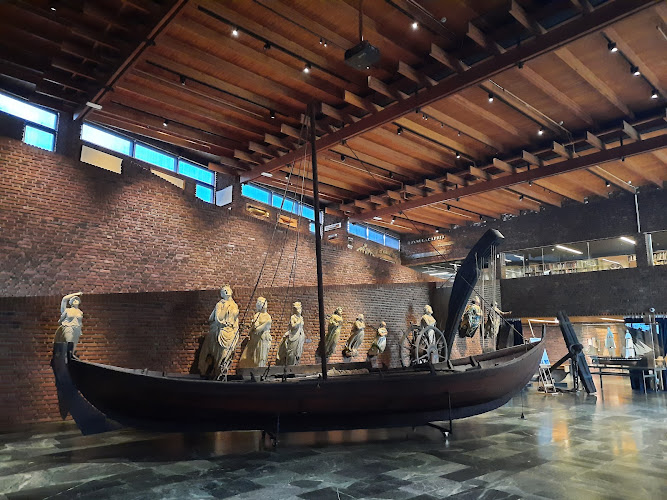
Don’t miss the open-air Vigeland Sculpture Park with its 200-plus figures, the MUNCH museum housing Edvard Munch’s The Scream, the medieval Akershus Fortress, and the marble-roofed Opera House you can walk up for fjord views. The historic Viking and polar-exploration collections and the trendy Grunerlokka district round out a visit.
The best time to visit is May to September, when days are long, mild and ideal for fjord trips and walking, with late May to early June and September offering the best mix of light and lower crowds. Winter brings snow, Christmas markets and easy access to cross-country skiing.
Affiliate placeholder: Compare accommodation options after checking the official property details, location, and cancellation terms.
Affiliate placeholder: Check current activity availability, meeting points, accessibility, and cancellation terms before reserving.
Sources and current planning links
Explore more destinations.ai travel guides when building a longer route.
How to plan an Oslo visit
Oslo is a compact capital where a museum morning, a fjord or harbor walk, and a forest or neighborhood afternoon can fit into the same trip. VisitOSLO organizes the city around culture, food, activities, accommodation, and practical visitor information, which is a useful reminder that Oslo is not only a list of royal and Viking landmarks. Plan by neighborhood and season so you can enjoy the city at a human pace.
Start with the harbor and central city
The waterfront is a natural first orientation route. The Opera House, harbor promenade, museums, restaurants, and modern neighborhoods can be combined on foot, while ferries open a different view of the Oslofjord when schedules and weather cooperate. Begin with a short walk, then choose one ticketed museum rather than racing through every building along the shore.
Akershus Fortress adds history and open-air space close to the center, and the Royal Palace area gives the city a formal counterpoint. Check opening times and any guided-tour schedule before planning an interior visit. Outdoor grounds may be accessible when buildings are closed, but conditions, events, and security arrangements can change.
Choose a museum cluster instead of museum-hopping
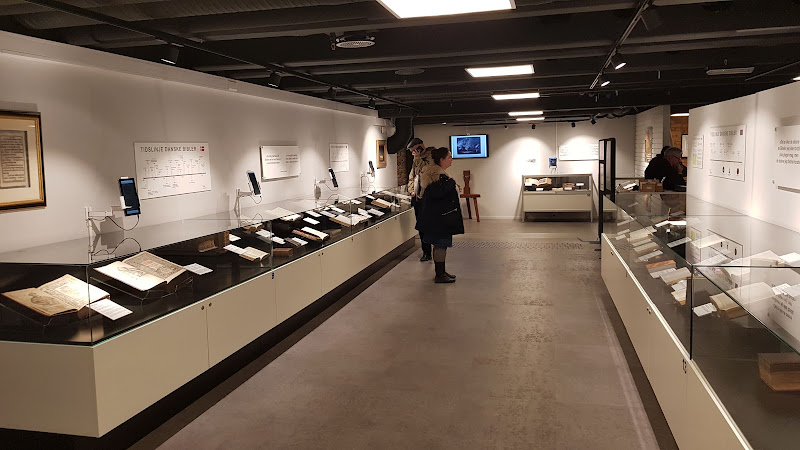
Oslo’s museum choices reward a clear theme. Art travelers can build around the MUNCH museum and the National Museum; history-focused visitors may prefer the Viking or maritime collections; families can choose a hands-on museum or a park with room to reset. Confirm current exhibitions, timed entry, ticket terms, cloakroom rules, and accessibility before booking, especially during school holidays and rainy weekends.
Make time for parks and the Oslofjord
Vigeland Sculpture Park and other green spaces make it easy to add culture without another ticket. The city’s forests and lakes are also close enough for a half-day reset by public transport. Choose a route by daylight, snow, surface, and your group’s fitness rather than assuming a short city transfer leads to a simple hike. A fjord cruise or island ferry is a good option when you want water views without a full excursion.
Summer brings long days and outdoor events, while winter can be a genuine activity season for snow, markets, and cross-country skiing. Spring and autumn may offer a quieter mix of museums and walks, but rain, wind, and shorter daylight need to be part of the plan. Keep an indoor option near your hotel for weather changes.
Getting around Oslo
Use walking and public transport for the central city, then use a tram, metro, bus, or ferry for the neighborhoods and forest edges beyond the center. Buy the correct ticket or visitor pass only after checking which museums and transport zones it covers. Oslo’s hills, cobblestones, snow, and changing weather can make a route feel different from its map distance.
Choose lodging near the type of day you want most. A central hotel is convenient for restaurants, museums, and the harbor; a quieter area may offer more space and easier access to trails. Compare breakfast, room accessibility, luggage storage, transit proximity, and cancellation terms. The airport transfer is straightforward when planned, but leave a buffer for an early flight or a winter disruption.
Food, etiquette, and practical planning
Oslo’s food scene ranges from bakeries and casual lunches to seafood, Nordic tasting menus, and neighborhood cafés. Reserve the meal that matters most, then keep one flexible option nearby. Ask about allergies, service times, and current menus rather than relying on a static recommendation. Grocery stores and food halls can make a longer stay easier on the budget.
For travelers with mobility or sensory needs, ask each museum, ferry, park, and hotel about step-free entrances, lifts, seating, quiet periods, accessible toilets, and snow-clearing practices. Oslo is well equipped in many places, but an accessible route depends on the exact entrance and season. Pack layers and footwear that work for wet pavement as well as a formal evening.
A practical three-day Oslo itinerary
- Day one: Walk the harbor, Opera House, and central streets, then choose one museum or Akershus Fortress with a nearby dinner.
- Day two: Visit a museum cluster or park in the morning, then take a confirmed fjord ferry or neighborhood walk in the afternoon.
- Day three: Follow the forecast: spend the day in a forest or on a seasonal outdoor activity, or use a second museum, market, and café route if conditions turn wet.
Oslo does not require a frantic schedule. Choose two or three anchors per day, use public transport intelligently, and leave a little time for the city’s quieter pleasures: a bakery, a bench by the water, a neighborhood bookshop, or a view from a route you did not plan months in advance.
Which Oslo trip style fits you?
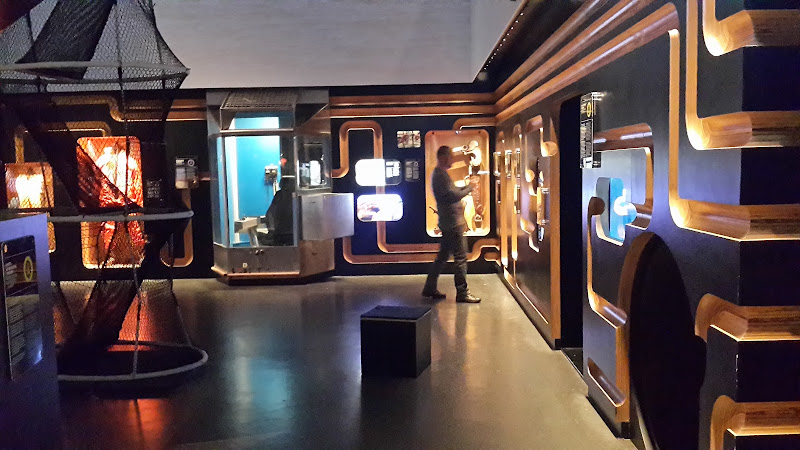
Families can make Oslo easier by pairing one museum with one open space each day. The waterfront, parks, and ferries give children room to move, while a current activity or science-focused venue provides structure if the weather turns. Check age guidance, stroller access, toilets, quiet spaces, and food options before buying a day of tickets. One flexible afternoon is more useful than four timed admissions.
Couples and solo travelers may prefer a neighborhood route: start with coffee and architecture, choose a museum or gallery, take the harbor promenade or a fjord ferry, and finish with a reservation near the hotel. Food-focused visitors should look at opening days and booking requirements, since a short city break can be affected by a restaurant’s limited service more than by the number of attractions available.
Outdoor travelers should check the forecast twice—once before booking and again on the morning of the outing. Snow, rain, wind, and short daylight change the appropriate footwear and route. Use marked paths, carry a charged phone and a layer, and tell your lodging or a companion where you are going for a remote walk. A city park or fjord island can deliver a satisfying nature day without the logistics of a long mountain excursion.
Before departure, save the official visitor information, transport tickets, museum confirmations, and emergency contacts. Oslo is straightforward to navigate, but small preparation choices make the trip calmer: leave room for a late ferry, use a second café as a weather backup, and choose a hotel return route that still works after the last planned attraction.
Keep one low-cost indoor backup near your base, especially in winter or on a rainy shoulder-season day. A library, gallery, food hall, or café can give the group a reset without losing the day to a cross-city transfer. Recheck ferry departures and museum hours before leaving the hotel, since a small schedule change may make a neighborhood walk the better option.
For a longer regional route, compare Stockholm, Sweden, Copenhagen, Denmark, Helsinki, Finland with this destination before finalizing your itinerary.
Frequently asked questions
What is Oslo, Norway best known for?
Oslo, the capital of Norway, sits at the head of the Oslofjord, ringed by forested hills and water, and pairs a compact, walkable centre with world-class museums and bold modern architecture.
When is the best time to visit Oslo?
The best time to visit is May to September, when days are long, mild and ideal for fjord trips and walking, with late May to early June and September offering the best mix of light and lower crowds.
How many days should you spend in Oslo?
Plan about 3 days for a first visit, then add time if you want to explore beyond the central sights.
How should you get around Oslo?
Oslo, the capital of Norway, sits at the head of the Oslofjord, ringed by forested hills and water, and pairs a compact, walkable centre with world-class museums and bold modern architecture.
What should you book ahead in Oslo?
Confirm current exhibitions, timed entry, ticket terms, cloakroom rules, and accessibility before booking, especially during school holidays and rainy weekends.
Explore Oslo by Category: Discover top curated spots across Oslo Attractions & Sightseeing, Best Places to Stay in Oslo, Oslo Restaurants & Dining.