Editorial disclosure: This destinations.ai guide was prepared with AI assistance and checked against the official sources linked below. Accommodation and activity placeholders may use affiliate links; that does not change the planning advice.
Hamburg, Germany, rewards you with a city break shaped by water: working harbor quays, the Elbe, Alster lakes, warehouse canals, and ferries that form part of daily transport. You get grand civic architecture, serious museums, lively music venues, and neighborhood streets where a long walk often becomes the day’s best plan.
This Hamburg travel guide helps you build a realistic two- or three-day visit around HafenCity, Speicherstadt, the harbor, central Hamburg, and the districts that give the city its character. Grouping places by waterfront area and reserving the few attractions with timed entry before arrival will help you cover the major sights efficiently.
Hamburg sits in northern Germany at 53.5511, 9.9937, and feels distinct from Berlin or Munich. Its Hanseatic history shows in the brick warehouses and merchant houses, while its contemporary side appears in the Elbphilharmonie, creative St. Pauli streets, and redeveloped docklands.
Key Takeaways
- Plan three days for Hamburg’s key waterfront sights, museums, and neighborhoods.
- Use the HVV network, walking routes, and public ferries to move around efficiently.
- Reserve Miniatur Wunderland, concerts, popular restaurants, and peak-season hotels early.
Quick Answers and Trip Profile
Hamburg is an excellent destination for you if you enjoy maritime history, architecture, culture, and urban walks beside working water. A first visit works best over three full days, while two days cover the central highlights at a brisk pace.
- Best for: Couples, solo travelers, families, design fans, music lovers, and rail travelers.
- Ideal trip length: Three nights and two full days for a compact break; four nights for a fuller three-day stay.
- Top sights: Elbphilharmonie, Speicherstadt, Miniatur Wunderland, Landungsbrücken, Hamburg City Hall, and the Alster.
- Best base: Neustadt or Altstadt for central access; St. Georg for rail connections; HafenCity for contemporary waterfront surroundings.
- Main arrival points: Hamburg Airport, Hamburg Hauptbahnhof, and long-distance rail services from across Germany and Europe.
The city spreads across a broad area, so you’ll enjoy it more when you avoid treating every landmark as a separate cross-city journey. Build one day around Speicherstadt, HafenCity, and the harbor; another around the center and Alster; then use your third day for museums, parks, St. Pauli, or a day trip.
English is widely used in visitor-facing hotels, museums, restaurants, and transport settings. A few German basics are welcomed, especially “Guten Tag,” “Bitte,” and “Danke.” Cards are widely accepted, though carrying some euros remains practical for markets, smaller cafés, and public toilets.
What Are the Best Things to Do in Hamburg?
Start with the harbor and Speicherstadt because they explain Hamburg’s scale, trade history, and dramatic waterfront setting in one walk. You can find a useful orientation on the city’s official Hamburg sightseeing and trip-planning pages, then book timed attractions directly through their operators.
- Elbphilharmonie Plaza: Ride the long escalator into the public viewing level for wide views over the Elbe, port cranes, HafenCity, and central Hamburg. The concert hall exterior is worth seeing from the water as well as from the plaza.
- Speicherstadt: Walk the red-brick warehouse district’s canal bridges, especially around Poggenmühlen Bridge and the streets near Wasserschloss. The district forms part of the UNESCO-listed Speicherstadt and Kontorhaus District ensemble.
- Miniatur Wunderland: Reserve a timed entry for the detailed model worlds, moving trains, airport scenes, and miniature landscapes. The attraction suits adults as well as children, so allow enough time to move slowly through the displays. Plan your visit through the dedicated Miniatur Wunderland visitor overview.
- Landungsbrücken: Stroll the floating jetties, watch harbor traffic, and board a harbor cruise or public ferry. The view across to the port is especially strong near sunset.
- St. Michael’s Church: Known locally as the Michel, this Baroque landmark offers one of Hamburg’s classic skyline views when its tower is open.
- Hamburg City Hall: See the ornate Rathaus from Rathausmarkt, then continue through the nearby arcades toward the Binnenalster.
For a concise first day, pair the Elbphilharmonie Hamburg with Speicherstadt and Landungsbrücken. Keep a harbor cruise flexible around weather, since a clear evening changes the experience considerably.
History, Culture, and Local Character
Hamburg’s character comes from its Hanseatic trading past, civic independence, and relationship with the Elbe port. You’ll notice a reserved, direct style in everyday encounters, paired with professional hospitality and a strong attachment to neighborhood life.
The city grew as a major member of the Hanseatic League, a trading network that linked northern European ports. Warehouses in Speicherstadt stored tea, coffee, spices, carpets, and other goods arriving by ship. The brick expressionist Kontorhaus buildings record the commercial wealth that followed.
For art, spend time at Hamburger Kunsthalle near the main station, where you can see works spanning old masters through modern art. Deichtorhallen offers photography and contemporary art exhibitions, while the International Maritime Museum gives you a deeper look at seafaring, shipbuilding, and global trade.
Music is part of the city’s identity. The Beatles developed an early following in St. Pauli clubs, and the Reeperbahn remains a dense nightlife and live-music district. You’ll have a better evening when you see the area as a mixed entertainment neighborhood with theaters, bars, music halls, residents, and adult-oriented venues.
HafenCity presents a newer chapter: former port land remade into housing, offices, promenades, public spaces, and cultural venues. Walk there with the older Speicherstadt beside it to see the city’s shift from industrial harbor economy to a mixed waterfront district.
Neighborhoods, Parks, and Outdoor Activities
Hamburg is at its most enjoyable outdoors when you combine a waterside walk with one or two neighborhoods instead of chasing distant viewpoints. Flat routes, waterfront promenades, and parks give you plenty of low-effort ways to experience the city between museum visits.
Altstadt and Neustadt suit you when you want City Hall, shopping streets, churches, and the Binnenalster within walking distance. Jungfernstieg provides a formal lakeside promenade, while the surrounding streets make a convenient base for first-time visitors.
St. Pauli combines Landungsbrücken, the Reeperbahn, and access to the Elbe. Continue west to the St. Pauli Piers and toward Altona for a more relaxed riverfront walk. The former fish-market area is particularly atmospheric early in the day.
Schanzenviertel and Karolinenviertel give you independent shops, cafés, street art, and a more residential pace. These districts are useful for a meal away from the principal tourist routes.
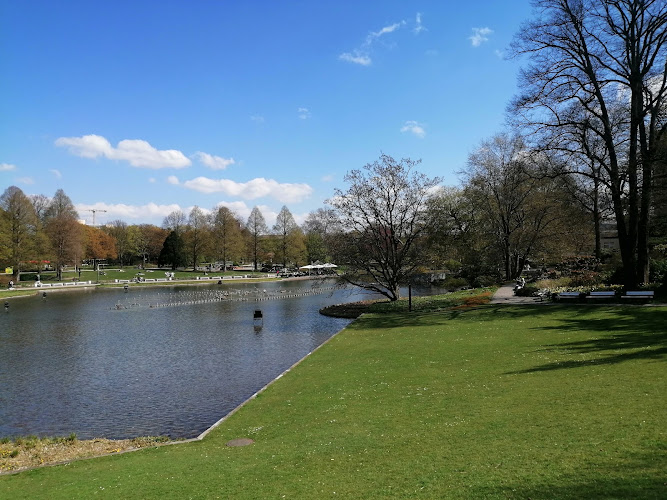
Planten un Blomen is central and easy to add to a museum or shopping day. Its landscaped gardens, paths, lawns, and water features offer a quiet break close to Dammtor and the Messe area.
For a longer active outing, walk or cycle around the Outer Alster. You can also take an Alster boat trip when services operate, or use public transport to reach Elbstrand, a sandy stretch along the Elbe where you can watch container ships pass at close range. The sustainable travel guide approach of walking, cycling, and public transport helps reduce short car journeys in the compact central districts.
Where to Stay and What to Eat
Stay in Neustadt, Altstadt, St. Georg, or HafenCity when you want an efficient first visit with short transport connections. Your best neighborhood depends on whether you prioritize the main station, harbor views, nightlife, or a quieter evening.
- Altstadt and Neustadt: Best for first-time sightseeing, retail streets, the Alster, and walkable evenings.
- St. Georg: Best for early rail departures and a multicultural dining scene near Hamburg Hauptbahnhof. Choose a street and hotel with recent guest feedback that suits your comfort level.
- HafenCity: Best for modern architecture, waterfront walks, and proximity to Elbphilharmonie and Speicherstadt.
- St. Pauli: Best for concerts, bars, and late-night energy. Ask for a quiet room away from the busiest streets if sleep is a priority.
- Altona and Ottensen: Best for a local residential feel, restaurants, and access to the western Elbe.
Hamburg food begins with fish, though your choices extend far beyond seafood. Try a Fischbrötchen, a fish roll commonly filled with herring, salmon, or fried fish; Labskaus, a traditional sailor-associated dish of corned beef, potato, beetroot, and accompaniments; and Franzbrötchen, a cinnamon-rich pastry that works well with coffee.
You’ll find traditional northern German dishes in harbor-side restaurants and neighborhood taverns, while St. Pauli, Sternschanze, and Ottensen offer international cooking and casual dining. For a special dinner, reserve ahead on Friday and Saturday, during major trade fairs, and around concert nights. If you want central retail options alongside quick food stops, use the Europa Passage shopping guide as a location reference.
How to Get There and Get Around
Hamburg is easy to reach by air, rail, road, and long-distance bus, with rail offering the most convenient arrival into the city center. Hamburg Airport lies north of the center, and the S1 S-Bahn provides a direct link to Hamburg Hauptbahnhof; check departure times and engineering works before travel.
Hamburg Hauptbahnhof is the key hub for Deutsche Bahn intercity and high-speed trains, regional services, S-Bahn lines, U-Bahn lines, and buses. You can arrive from Berlin, Munich, Cologne, Copenhagen, and many other cities without needing a car once you’re in Hamburg.
The HVV public transport network covers U-Bahn, S-Bahn, buses, and many harbor ferries under integrated ticketing. Buy the ticket that matches your travel zones and duration before boarding where required, and validate it if the ticket format calls for validation. Transport options also include taxis, shared cars, rental bicycles, and walking routes, as outlined in this practical guide to getting around Hamburg.
Use the U-Bahn for central districts and the S-Bahn for longer stretches such as the airport connection and western Elbe neighborhoods. Buses fill gaps between rail lines. Public harbor ferries offer a practical, scenic ride from the Landungsbrücken area, though their routes serve commuters as well as visitors.
A car adds little value for a central city break because parking is limited and paid. If you arrive by car, choose accommodation with confirmed parking and leave it there while you explore by foot and transit. For longer European journeys, these Europe travel tips support a rail-first plan with fewer airport transfers.
Best Time to Visit and Seasonal Planning
May, June, September, and early October offer the best balance of outdoor time, daylight, and manageable sightseeing conditions. Hamburg’s maritime climate brings wind and rain in every season, so pack a waterproof layer and shoes that can handle wet pavements.
Spring brings longer days, emerging greenery in Planten un Blomen, and comfortable walking weather. You’ll still want layers for cool evenings beside the Elbe and Alster.
Summer is well suited to harbor cruises, waterfront dining, beach walks at Elbstrand, and long evenings outdoors. It also brings higher demand for hotels, major attractions, and concerts, so reserve key timed entries before committing to a tightly scheduled day.
September and October are strong months for museum visits, neighborhood walks, and river views with a cooler edge. Autumn rain can arrive quickly, so leave a flexible indoor option near your planned outdoor route.
Winter offers a quieter cultural break, Christmas markets, and cozy cafés, although daylight hours are shorter. Build your plans around museums, concerts, and central sights, then use dry intervals for the harbor and Alster. Compare seasonal priorities with advice on the best time to go on vacation before choosing your travel dates.
A Practical Two- or Three-Day Itinerary
A three-day Hamburg itinerary lets you see the essential waterfront, explore the city center, and spend meaningful time in one or two neighborhoods. Keep each day’s route geographically compact, particularly when rain or a timed booking controls the schedule.
- Day 1: Speicherstadt, HafenCity, and the harbor. Begin with a reserved Miniatur Wunderland entry. Walk through Speicherstadt to HafenCity, visit the Elbphilharmonie Plaza if access is available, then continue to Landungsbrücken for a harbor cruise or public ferry ride. Spend the evening around St. Pauli, or return to the center for dinner.
- Day 2: Central Hamburg and the Alster. Visit Hamburg City Hall and Rathausmarkt, walk to Jungfernstieg and the Binnenalster, then choose Hamburger Kunsthalle or another museum. Continue through Planten un Blomen, and finish with a stroll around the Outer Alster or dinner in Eppendorf, Sternschanze, or Ottensen.
- Day 3: Choose your interest. Visit the International Maritime Museum or Deichtorhallen, explore Schanzenviertel and Karolinenviertel, take a longer Elbe walk toward Övelgönne and Elbstrand, or make a day trip to Lübeck.
For two days, combine the first day above with the central-Alster route on day two. Skip the third-day museum or neighborhood block, and reserve your top priority in advance. Use the trip itinerary planning guide to order tickets, meals, and transport around fixed reservations.
Costs, Safety, Accessibility, and Reservations
You can control Hamburg trip costs by choosing a transit-connected hotel, using integrated public transport, and mixing free waterfront walks with paid attractions. Accommodation is your largest variable, with prices rising during summer weekends, trade fairs, Christmas market dates, and large concerts.
Budget for accommodation, meals, local transport, attraction tickets, and optional harbor cruises separately. A reported 2026 HVV day ticket starts from €8.20, though fares depend on the zones and ticket type you select. Confirm current prices before purchase through current transport information. Attraction prices and opening hours change, so use official booking pages before setting a fixed daily budget.
Hamburg is a major European city, so follow standard urban precautions. Keep phones and wallets secure in busy stations, late-night entertainment areas, crowded transit vehicles, and tourist-heavy waterfront zones. Use licensed taxis or established ride-hailing services after late events, and keep your accommodation address accessible offline.
Many central stations, newer waterfront areas, museums, and large attractions offer step-free access, lifts, or accessible entrances. Historic warehouse streets, bridge approaches, cobbled surfaces, and older boats can create uneven conditions. Contact each attraction before arrival for current information on accessible entrances, companion policies, seating, toilets, sensory conditions, and mobility-device access.
Reserve Miniatur Wunderland, Elbphilharmonie concerts, high-demand restaurant tables, and hotel rooms early. Timed entries let you structure your day around a firm anchor, while waterfront walks and ferry rides can stay flexible for the weather.
Sources and Current Planning Links
Use current official information for schedules, tickets, closures, event dates, and access arrangements. Conditions around harbor operations, concerts, public transport works, and seasonal activities may change after you make your initial plan.
- Official Hamburg tourism planning information for sights, accommodation, events, harbor experiences, and current visitor services.
- Hamburg destination overview for a concise location-based introduction to the city’s principal attractions.
- Hamburg transport orientation for a visitor-focused overview of walking, public transport, and ride options.
- Current transport options in Hamburg for train, bus, taxi, shared vehicle, and bicycle information.
Frequently Asked Questions
Hamburg is worth visiting for its harbor landscape, UNESCO-listed warehouse district, music culture, museums, and walkable waterfront neighborhoods. You’ll get more from the city if you set aside time beyond the headline landmarks for the Alster, St. Pauli, and a ferry or river walk.
Is Hamburg worth visiting as a tourist?
Hamburg is worth visiting if you want a German city break with a strong maritime identity and a less formal rhythm than many capital-city itineraries. You can combine landmark architecture, port views, art, nightlife, and green spaces within a long weekend.
How many days in Hamburg is enough?
Three days is enough for a well-paced first visit to Hamburg. Two days covers Speicherstadt, HafenCity, the harbor, City Hall, and the Alster, while a third day gives you room for museums, outer neighborhoods, or a Lübeck trip.
What is Hamburg famous for?
Hamburg is famous for its major port, the Elbe River, Speicherstadt, Elbphilharmonie, Reeperbahn, and Hanseatic trading heritage. You’ll also encounter its canal network, Alster lakes, fish rolls, Franzbrötchen pastries, and influential live-music history.
Is Hamburg friendly to Americans?
Hamburg is welcoming for American visitors, and English is widely spoken in tourism, hospitality, transport, and cultural settings. You’ll have smoother interactions when you use a polite greeting, respect personal space, and follow local rules on ticketing and quiet hours.
What can families do in Hamburg?
Families can visit Miniatur Wunderland, take a harbor ferry or cruise, explore Planten un Blomen, walk around the Alster, and use the Elbphilharmonie Plaza for a city view. Reserve child-friendly attractions in advance and check current age guidance, stroller access, and family ticket policies directly with each venue.
What day trips can you take from Hamburg?
Lübeck is one of the strongest day trips from Hamburg, with medieval brick Gothic architecture, a compact historic center, and direct rail connections. Lüneburg is another good option, especially for its historic streets, while Stade offers a smaller Hanseatic town atmosphere.
The North Sea coast can also work, provided you have enough daylight and have checked the transport schedules.
Affiliate placeholder: Compare accommodation options after checking the official property details, location, and cancellation terms.
Affiliate placeholder: Check current activity availability, meeting points, accessibility, and cancellation terms before reserving.