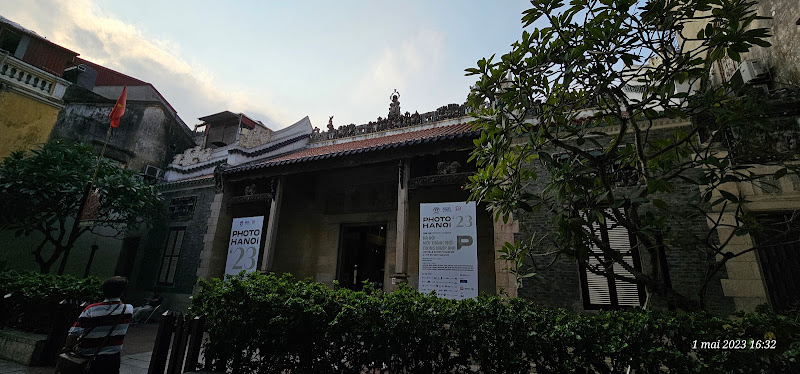
Heritage House, known locally as Nhà cổ 87 Mã Mây, is a compact house museum in Hanoi’s Old Quarter, set along a street where shopfronts, cafés, small hotels, and trading activity still pack closely together. Behind its narrow façade lies the long, layered plan of a nineteenth-century merchant’s tube house: a building type shaped by valuable street frontage, multigenerational family life, and the practical needs of commerce.
This is not a grand museum filled with labels and galleries. Its appeal is intimate and architectural. Timber posts, tiled floors, wooden fittings, domestic objects, courtyards, and an ancestor altar help visitors read the house as a lived urban environment. Moving inward from the busy lane, the sound and light change noticeably, making the visit a particularly useful pause within the density of Hoàn Kiếm.
Standout Highlights & What Not to Miss
Approach Heritage House as a sequence rather than a checklist. The narrow street-facing room introduces the commercial side of an Old Quarter household, while the deeper rooms reveal how work, family routines, worship, cooking, and rest could coexist on one slender plot. Look upward as well as around: the timber frame, shutters, roofline, and changing ceiling heights are as revealing as the furnishings.
- The tube-house plan: Notice the contrast between the compressed frontage and the surprising depth behind it. The arrangement explains why Old Quarter buildings often feel much larger from within than they first appear from the street.
- Light-catching courtyards: Open internal spaces bring daylight and air into the middle of the house. They are practical climate responses, but they also create the quietest and most photogenic moments of the visit.
- Timber craftsmanship: Study the columns, beams, doors, shutters, and carved details. These elements give the house its warm, tactile character and show how traditional materials organized the interior.
- Domestic furnishings: Ceramics, tea-related objects, furniture, and household pieces help distinguish this from an architecture-only stop. They suggest the rhythms of receiving guests, eating, storing goods, and running a home.
- The ancestor altar: Take a moment with this important domestic focal point. It offers context for the enduring role of ancestor veneration in Vietnamese family life and in the organization of the home.
- The handicraft shop: The retail area is worth a browse if you want a small design-led souvenir, though the building itself remains the main reason to come.
Visitor Strategy & Planning Snapshot
| Planning Factor | What to Expect | Practical Strategy |
|---|---|---|
| Ideal Arrival Window | The rooms are small, and the experience is strongest when you can move slowly and observe details. | Visit earlier in the day or between peak meal periods for a calmer look at the spaces; recheck current access details before setting out. |
| Typical Time Needed | Most visitors need 30 to 45 minutes for a self-paced circuit and a closer look at the furnishings. | Allow an hour if you enjoy architectural photography, reading displays, or browsing the shop. |
| Booking / Queue Reality | This is a small-scale heritage stop rather than a large timed-entry attraction, but conditions can change. | Do not build a tightly timed schedule around it. Confirm current admission arrangements locally, especially during holidays or busy weekends. |
| Terrain & Accessibility | Upper rooms require stairs; raised thresholds and narrow passages limit wheelchair and stroller circulation. | Visitors with mobility needs should assess the ground-floor experience first and plan for a shorter, more selective visit. |
| Weather / Seasonal Fit | The interior and courtyards offer a sheltered break from Old Quarter traffic, though humidity and rain can affect comfort. | Pair it with nearby indoor stops in wet or very hot weather, and bring footwear suited to potentially slick streets outside. |
Honest Trade-Offs: Best For vs. Who Might Skip
Heritage House is best for architecture enthusiasts, history-minded travelers, Old Quarter walkers, and visitors who enjoy understanding ordinary life through small details. It rewards curiosity more than speed: those who notice ventilation, circulation, storage, and the relationship between shop and home will get the most from it. It is also a smart choice for travelers seeking a quieter counterpoint to Hanoi’s major landmarks. On the other hand, visitors expecting a large collection, extensive multimedia interpretation, or a major half-day museum may find it modest. The circulation is constrained, the upper level is not step-free, and the rooms can feel crowded when several groups arrive together. If your only interest is headline monuments, reserve this for a second pass through the Old Quarter rather than forcing it into a short first visit.
Neighborhood Context & How to Pair Your Visit
Make Heritage House part of an unhurried Old Quarter walk rather than a standalone destination. Begin by wandering the trading streets around Hàng Buồm and Mã Mây, where the narrow plots and active shopfronts make the house’s original setting easier to understand. Afterward, continue toward the traditional commercial lanes, pause for Vietnamese coffee or a simple meal, and browse nearby craft and design shops. The stop also combines naturally with a walk toward Hoàn Kiếm Lake, allowing you to move from the neighborhood’s dense mercantile fabric into one of central Hanoi’s more open public spaces. Keep your route flexible: street life is part of the experience, and the best discoveries often come from taking the next narrow lane rather than rushing to the next major sight.
When planning your Hanoi travel guide or browsing verified museums in Hanoi, pair this stop with standout local spots including Street Murals, Ho Chi Minh Trail Museum, MẸT Vietnamese Restaurant & Vegetarian Met 2, and Awesome Hanoi Hostel & Rooftop View (nearby).