O‘ahu is Hawai‘i’s third-largest island, located at O‘ahu, Hawaii 967xx, United States, with Honolulu on its south shore and no single street address for the island itself. Once the political center of the Hawaiian Kingdom and now home to the state capital, it draws travelers for Waikīkī’s surf culture, Pearl Harbor history, mountain-to-sea scenery, and a food scene shaped by Native Hawaiian, Japanese, Chinese, Filipino, and Portuguese communities.
What to Expect at O‘ahu
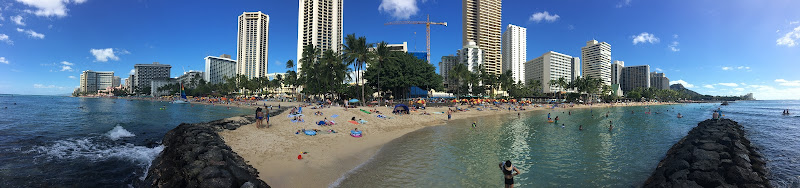
O‘ahu packs markedly different landscapes into one island. Honolulu and Waikīkī combine high-rise hotels, the broad sands of Kuhio and Queen’s Surf beaches, and the volcanic silhouette of Lē‘ahi (Diamond Head). East of the city, the coastal road passes Hanauma Bay Nature Preserve, Koko Head, Waimānalo’s long pale-sand beach, and Kāne‘ohe Bay. The windward Ko‘olau Range catches rainfall, while the leeward coast around Ko Olina is generally drier.
History is concentrated around Honolulu’s civic core and Pearl Harbor. Iolani Palace, completed in 1882 for King Kalākaua, is the only royal palace in the United States; nearby stand the King Kamehameha I statue, Ali‘iōlani Hale, and the Hawai‘i State Capitol. At Pearl Harbor National Memorial, the USS Arizona Memorial interprets the December 7, 1941 attack. North Shore breaks including Banzai Pipeline and Sunset Beach become a focal point for elite surfing during winter swells, while summer waters are usually calmer.
- Waikīkī Beach: A chain of south-shore beaches with views of Diamond Head, beginner surf schools, paved shoreline paths, and easy access to Honolulu dining.
- Pearl Harbor: The USS Arizona Memorial, visitor center exhibits, and harbor setting provide essential context for the Pacific war.
- Lē‘ahi (Diamond Head): A former volcanic tuff cone with a reserved-entry summit trail, military-era tunnels, steep stairs, and a sweeping Honolulu panorama.
- Hanauma Bay: A protected volcanic bay known for reef snorkeling; reservations are required and the walk to the beach is steep.
- North Shore: Hale‘iwa’s historic plantation-town atmosphere, food trucks, beach parks, and renowned winter surf breaks define the island’s rural north coast.
O‘ahu at a Glance
| Detail | Information |
|---|---|
| Address | O‘ahu, Hawaii 967xx, United States; the island has no single street address. |
| Neighborhood / Area | Honolulu and Waikīkī on the south shore; Windward Coast, North Shore, Central O‘ahu, and Leeward Coast. |
| Operating Hours | Island access is 24 hours; beaches, trails, parks, museums, and preserves keep separate hours and may close for weather or surf conditions. |
| Admission / Price Range | Free to explore the island; individual attractions, parking lots, tours, and preserves may charge fees. Overall traveler spend: $$. |
| Recommended Visit Duration | 4 to 7 days for Honolulu, Pearl Harbor, one coast drive, hiking, and beach time. |
| Nearest Transit / Parking | Daniel K. Inouye International Airport; TheBus covers the island, while Skyline serves parts of Honolulu and West O‘ahu. Rental-car parking is common but limited at popular trailheads and beaches. |
| Official Website & Phone | GoHawaii: O‘ahu; visitor services and attraction phone numbers vary by site. |
Visiting Tips, Getting There & Nearby Pairings
Start major sights early. Reserve Diamond Head and Hanauma Bay as soon as dates are firm, and reach Pearl Harbor before midmorning for the best chance of a smoother visit. A rental car is useful for the North Shore, Windward Coast, and trailheads, but Honolulu traffic and parking costs can be substantial. In central Honolulu and Waikīkī, use TheBus, walk, or use Biki bikeshare rather than moving a car between short stops.
Accessibility varies sharply by destination. Waikīkī’s beachfront sidewalks and many hotel districts are level and suitable for wheelchairs and strollers, while volcanic trails, tide pools, and many North Shore beach accesses involve sand, roots, stairs, or uneven ground. Pair downtown Honolulu’s Iolani Palace and the Hawai‘i State Capitol with Chinatown’s food counters, roughly 10 to 15 minutes away by foot; from Waikīkī, Kapi‘olani Park and the Diamond Head trailhead are close south-shore additions. Check ocean conditions before entering the water: winter surf and rip currents can be dangerous.
Frequently Asked Questions
When is O‘ahu open, and what is the best time to explore?
O‘ahu is accessible year-round and at all hours, but every attraction sets its own schedule. Begin beach drives, hikes, and memorial visits early in the morning to avoid heat, traffic, and full parking areas; winter brings the North Shore’s largest surf.
Do I need tickets or reservations for O‘ahu attractions?
The island itself is free to visit, while attractions set separate entry policies. Advance reservations are particularly important for Hanauma Bay and Diamond Head; Pearl Harbor programs, museums, guided tours, and luau venues can also sell out.
How many days should I spend on O‘ahu?
Allow four days for Honolulu, Waikīkī, Pearl Harbor, and one full-day coastal excursion. Six or seven days gives time for the North Shore, Windward beaches, cultural sites, and a hike without trying to cross the island repeatedly.
Is O‘ahu suitable for families and travelers with mobility needs?
Yes, especially in Waikīkī and Honolulu, where paved promenades, resorts, museums, and transit are relatively straightforward. Choose specific beaches and attractions carefully: sand, steep grades, reef entries, and changing surf conditions mean that outdoor access is not uniform across the island.
When planning your Hawaii travel guide or browsing verified attractions in Hawaii, pair this stop with standout local spots including Goofy Cafe & Dine, Island of Hawai'i, Kauaʻi Museum, and Waikele Premium Outlets (4.1 km away).