Hiroshima Station is Hiroshima’s principal railway interchange at 2-37 Matsubaracho, Minami-ku, Hiroshima 732-0822, in the Matsubaracho station district. Opened in 1894 on the Sanyo Railway, it now connects the Sanyo Shinkansen, regional JR trains, city trams, and buses. Travelers come for connections to Miyajima and central Hiroshima, but the station also rewards a deliberate stop for Hiroshima-style okonomiyaki, regional confectionery, and the shopping complex that transformed its south side in 2025.
What to Expect at Hiroshima Station
The station is a modern, multilevel transport complex rather than a surviving nineteenth-century building. Its north side, called the Shinkansen Exit, faces hotels and highway-bus facilities; the south side faces the city center. The minamoa commercial building opened in March 2025, introducing shops, restaurants, a cinema, and the rooftop Soramo garden. In August 2025, Hiroshima Electric Railway brought trams directly into a second-floor station terminal via the new elevated approach, substantially changing the transfer from JR services.
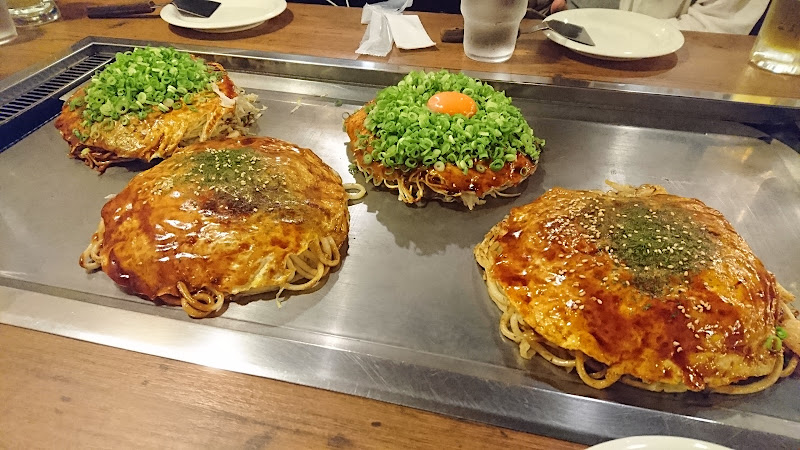
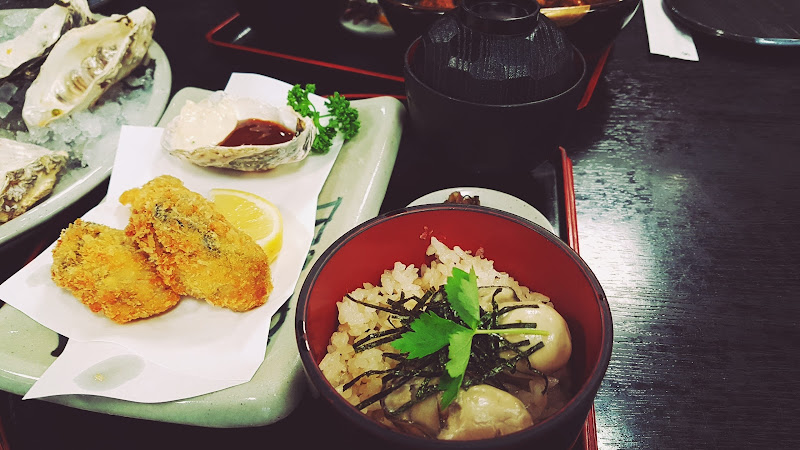
Allow time for ekie, the station’s established shopping and dining area, especially its Hiroshima food specialists. Hiroshima-style okonomiyaki layers batter, cabbage, noodles, and egg rather than mixing everything together; Mitchan Sohonten is a recognizable local name here. Oyster dishes, anago conger eel, and lemon-flavored products reflect the surrounding Seto Inland Sea region. Souvenir counters stock momiji manju, maple-leaf-shaped cakes traditionally filled with sweet bean paste. Restaurants and shops occupy both public and ticketed areas, so check your chosen outlet’s location before passing through gates.
- Sanyo Shinkansen: Fast connections toward Okayama, Shin-Osaka, and Hakata make this western Japan’s essential rail corridor.
- Miyajima connections: Take the JR Sanyo Line toward Miyajimaguchi, then walk to the ferry terminals.
- Second-floor tram terminal: The elevated approach brings city trams into the station building for easier transfers.
- Hiroshima food at ekie: Try layered okonomiyaki or browse regional oyster, eel, and confectionery specialties.
- minamoa and Soramo: Shopping, dining, cinema screens, and a rooftop garden extend the station beyond transport.
Hiroshima Station at a Glance
| Detail | Information |
|---|---|
| Address | 2-37 Matsubaracho, Minami-ku, Hiroshima 732-0822, Japan |
| Neighborhood / Area | Matsubaracho; Hiroshima Station district |
| Operating Hours | Daily, from first to last train; ticket offices, restaurants, shops, and rooftop facilities keep separate hours. |
| Admission / Price Range | Public concourses free; trains and paid platforms require tickets. Casual dining generally $$. |
| Recommended Visit Duration | 30–60 minutes; 60–90 minutes with a meal |
| Nearest Transit / Parking | Sanyo Shinkansen; JR Sanyo, Kabe, Kure, and Geibi services; Hiroden trams. Paid parking around both exits; no free visitor parking. |
| Official Website & Phone | JR West; general enquiries: 0570-00-2486 within Japan |
Visiting Tips, Getting There & Nearby Pairings
Arrive 20–30 minutes before a Shinkansen departure if collecting tickets or finding an unfamiliar platform, and longer during Golden Week, Obon, and New Year. Keep oversized luggage clear of gates; applicable Shinkansen services require reservations for baggage with combined dimensions over 160 centimeters. Elevators provide step-free routes between concourses and platforms, and accessible toilets are available. Request boarding assistance from railway staff when needed. For trams, choose low-floor services where available: older vehicles can have entrance steps. Follow current signs rather than older maps showing the former street-level tram terminus.
For central sightseeing, consult Hiroden’s official route information; Peace Memorial Park is not immediately outside the station. Nearby, walk roughly 10–15 minutes to Shukkeien, the compact landscape garden established in 1620, and the adjacent Hiroshima Prefectural Art Museum. Alternatively, cross toward Kyobashi River for riverside walking within about 5–10 minutes. Drivers should choose a paid station-area garage on the side matching their departure point; crossing the complex with luggage can erase the convenience of a closer-looking space.
Frequently Asked Questions
When is Hiroshima Station open, and when should I visit?
Rail access follows the daily first-to-last-train timetable, while commercial facilities have separate opening hours. Late morning between commuter peaks is convenient for browsing; check your particular train rather than assuming overnight access.
Does entering Hiroshima Station cost anything?
The public concourses, shopping areas, and restaurant approaches are free to enter. Travel requires the appropriate fare, and entering JR’s paid platform area without traveling requires a platform ticket.
How much time should I budget?
Allow 30–60 minutes for orientation, souvenirs, and a straightforward departure. With an okonomiyaki meal or minamoa shopping, 60–90 minutes is more comfortable, excluding restaurant queues.
Is the station suitable for wheelchairs and families?
Elevators and accessible toilets support wheelchair and stroller use throughout the main rail interchange. Allow extra transfer time, and ask staff about boarding assistance and the most direct step-free route.
When planning your Hiroshima travel guide or browsing verified attractions in Hiroshima, pair this stop with standout local spots including Ichiran Hiroshima Hondori shop, Hilton Hiroshima, Jirokichi, and Hotel Granvia Hiroshima (0.2 km away).