Editorial disclosure: This destinations.ai guide was prepared with AI assistance and checked against the official sources linked below. Accommodation and activity placeholders may use affiliate links; that does not change the planning advice.
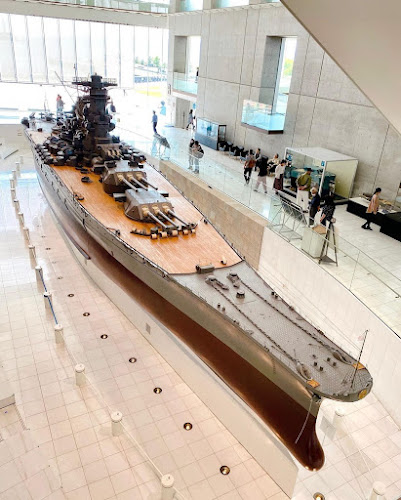
Hiroshima, the capital of Hiroshima Prefecture in western Japan, is a city of profound history and resilient spirit, rebuilt after the 1945 atomic bombing into a vibrant modern metropolis devoted to peace. Its emotional core is the Peace Memorial Park, with the skeletal A-Bomb Dome, the Cenotaph, the Children’s Peace Monument, and the moving Peace Memorial Museum.
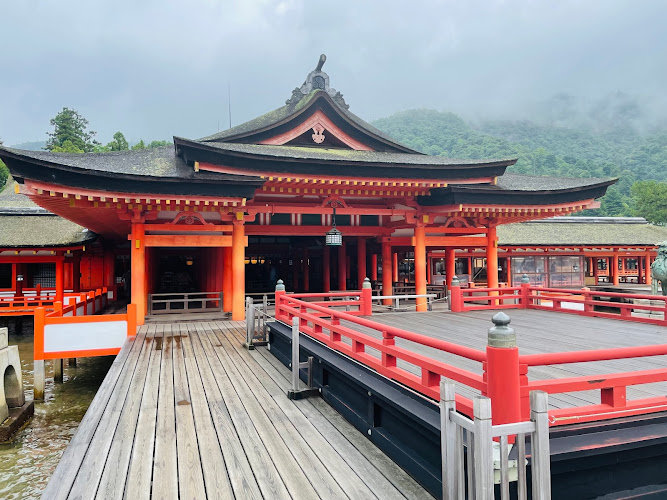
Just offshore, the island of Miyajima is home to the iconic floating torii gate of Itsukushima Shrine, one of Japan’s most photographed sights. In the city, the rebuilt Hiroshima Castle and the tranquil Shukkeien garden add further depth, while Okonomimura serves the local layered okonomiyaki.
The best time to visit is spring (late March to early April) for cherry blossoms or autumn (November) for fall foliage, both offering mild, pleasant weather; allow two days, plus one for Miyajima.
Affiliate placeholder: Compare accommodation options after checking the official property details, location, and cancellation terms.
Affiliate placeholder: Check current activity availability, meeting points, accessibility, and cancellation terms before reserving.
Sources and current planning links
Explore more destinations.ai travel guides when building a longer route.
How to plan a Hiroshima visit
Plan Hiroshima around two connected experiences: a thoughtful visit to the Peace Memorial Park and a separate day or half-day for Miyajima. The city is efficient to navigate, but the emotional weight of the peace sites deserves time and attention. Add food, gardens, the castle, or a neighborhood walk so the itinerary reflects Hiroshima as a living city as well as a place of remembrance.
The official Hiroshima tourism site provides current attraction information, routes, and planning ideas. Use it for opening arrangements and access details, then confirm museum tickets, ferry or train schedules, weather, and any seasonal changes before departure. A well-planned visit leaves room for quiet reflection rather than treating the Peace Memorial Park as a quick photo stop.
What are the best things to do in Hiroshima?
Start at the Peace Memorial Park, visit the Hiroshima Peace Memorial Museum, see the Atomic Bomb Dome, and then add Miyajima, Hiroshima Castle, Shukkeien Garden, or the city’s food streets. The park’s monuments and museum deserve an unhurried approach. Read the displays, follow the site’s guidance, and leave time afterward for a quieter walk or meal.
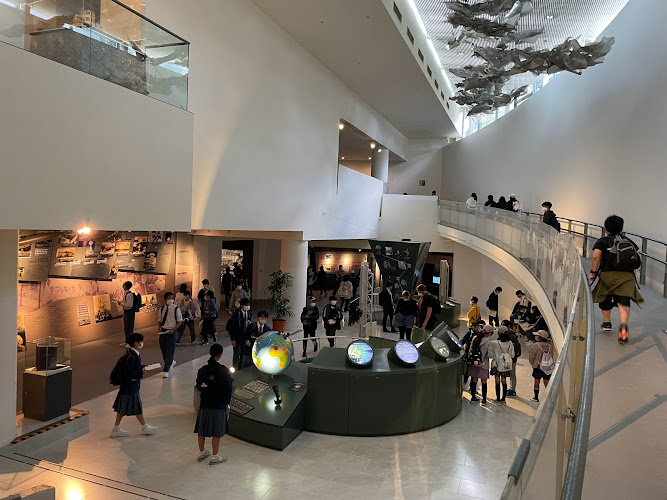
The Peace Memorial Park gathers the museum, Atomic Bomb Dome, Cenotaph for the A-bomb Victims, Children’s Peace Monument, and other sites connected with the city’s history. Each carries a different role. Visitors should not assume that a single photograph or short museum visit is enough; give yourself time to process what you have seen and be considerate of other visitors.
Miyajima, officially Itsukushima, provides a very different atmosphere across the water. Itsukushima Shrine and the torii associated with it are the visual icons, while the island also offers temple and shrine visits, forested slopes, views from Mount Misen, small streets, and local food. Check tide information, ferry times, ropeway or trail status, weather, and the return route before committing to a tight schedule.
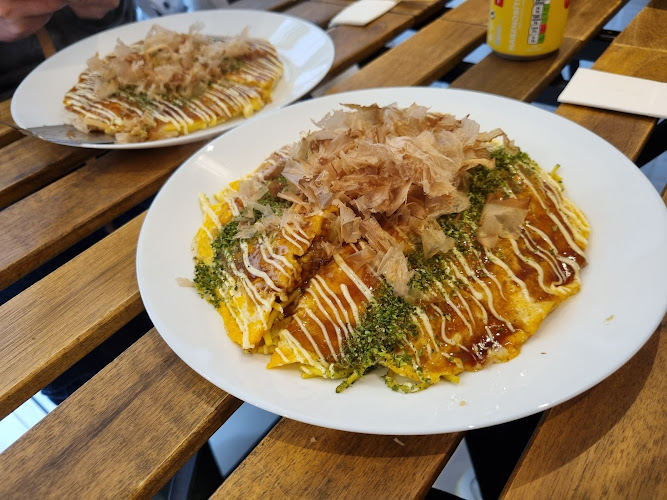
Hiroshima Castle and Shukkeien Garden are useful additions when you want history, landscape, and a calmer pace near the city center. Hondori and neighboring streets offer shopping, cafés, and okonomiyaki restaurants. Hiroshima-style okonomiyaki is built in layers and is often cooked in front of diners; allow for a queue and ask about ingredients if you have allergies or dietary restrictions.
Consider a local guide or peace-tourism route if you want historical context beyond the main museum. Check who operates the experience, the language, meeting point, length, and cancellation terms. Hiroshima is a destination where careful interpretation matters. Choose sources that center survivors, history, and peace rather than turning tragedy into spectacle.
Where should you stay in Hiroshima?
Stay near Hiroshima Station for rail connections and an easy arrival, near the Peace Memorial Park for a central sightseeing base, or overnight on Miyajima if you want a quieter island evening. The best area depends on whether your trip is a stop on a rail itinerary, a focused history visit, or a slower regional stay.
Check the actual walking route, luggage storage, elevator, breakfast hours, laundry, accessibility, and late-arrival policy. If you stay on Miyajima, ask how the property handles luggage and what happens after the last ferry. If you stay near the station, compare the distance to the Peace Memorial Park with the time saved on your next train.
What should you eat in Hiroshima?
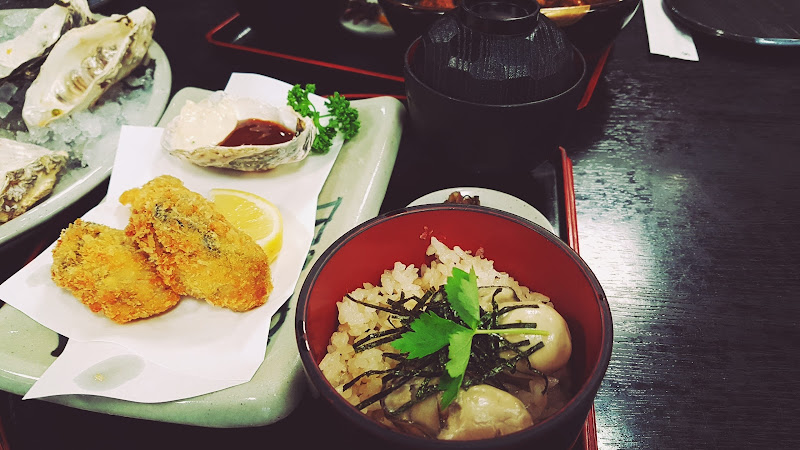
Hiroshima is known for layered okonomiyaki, oysters, anago, local sweets, and a broad restaurant scene around the station and downtown. Try the dishes that fit your appetite and dietary needs rather than chasing one famous queue. On Miyajima, food stalls and restaurants may focus on oysters, grilled seafood, and momiji-shaped sweets, but hours and menus vary.
Restaurant queues are part of the planning equation. Leave a buffer after the Peace Memorial Museum, carry a small backup snack, and ask staff about allergens, shared griddles, and fish or shellfish ingredients. A quiet neighborhood café can be a welcome contrast after an intense morning. Confirm the payment method and last order time before you sit down.
What is the best time to visit Hiroshima?
Spring and autumn are popular for comfortable walking and seasonal scenery, while summer brings heat and humidity and winter can be cold but quieter. Cherry blossoms and autumn color increase demand, and Miyajima can become especially busy. Check the weather, accommodation availability, and event calendar before choosing dates.
Heat affects long walks through the park and island climbs, so start early and carry water. Rain or wind can change ferry, ropeway, and viewpoint plans. Keep an indoor museum, garden, or food route available for a weather shift. If you plan to be in Hiroshima on August 6 or during another major event, reserve early and approach the date with appropriate respect and awareness of changed access.
How do you get around Hiroshima?
Use trains for regional arrival, trams and buses for many city journeys, walking for the Peace Memorial Park and central neighborhoods, and the current ferry connection for Miyajima. Hiroshima is straightforward to navigate when you group nearby sights. Verify routes, passes, platform information, and last services because schedules and ticket rules can change.
Do not underestimate the time needed to cross from the station to the park or to transfer onto an island route. Save hotel names and addresses in Japanese, keep a backup route for bad weather, and allow extra time for crowds. Wheelchair and stroller users should ask operators about platform gaps, ramps, vehicle space, and island or shrine surfaces before relying on a particular connection.
Is Hiroshima good for families and accessible travel?
Hiroshima can work well for families when the peace sites are introduced thoughtfully and balanced with gardens, food, the castle, and the island’s outdoor scenery. Explain the museum visit in an age-appropriate way, give children breaks, and never pressure someone to stay longer than they can manage in an emotionally difficult exhibit.
Accessibility varies between modern museums, historic buildings, trams, ferries, trails, and shrine approaches. Ask about step-free entry, lifts, bathrooms, seating, ferry boarding, and the surface around the attraction. Mount Misen routes and older sites may be challenging even when the main city streets are easy. A shorter island plan can be more enjoyable than trying to reach every viewpoint.
A practical two-day Hiroshima itinerary
Two days is enough for a meaningful Peace Memorial Park visit and a Miyajima day, with food and one lighter city attraction around them. Add another night if you want a slower museum pace or a regional side trip.
- Day one morning: Visit the Peace Memorial Museum and park, following the memorial sites in a thoughtful order and leaving time afterward.
- Day one afternoon: Walk toward the Atomic Bomb Dome and central city, then choose a garden, castle, café, or okonomiyaki dinner.
- Day two: Take the current ferry or rail connection to Miyajima, check tide and access information, visit Itsukushima Shrine, and choose a realistic island walk or Mount Misen plan.
What day trips work from Hiroshima?
Miyajima is the essential companion, while Iwakuni, Onomichi, and other western Japan destinations can work when current rail times and your trip length support them. Choose one extra destination rather than turning Hiroshima into a series of station changes. Confirm the return route and leave a buffer before a flight or long-distance train.
Hiroshima asks for both curiosity and care. Use the official visitor information below, listen to the places you visit, eat locally, and let the city’s present-day life sit beside its history. That balance makes a stronger travel guide than a list of monuments alone.
For a longer regional route, compare Tokyo, Japan, Kyoto, Japan, Osaka, Japan with this destination before finalizing your itinerary.
Frequently asked questions
What is Hiroshima, Hiroshima Prefecture best known for?
Hiroshima, the capital of Hiroshima Prefecture in western Japan, is a city of profound history and resilient spirit, rebuilt after the 1945 atomic bombing into a vibrant modern metropolis devoted to peace. Its emotional core is the Peace Memorial Park, with the skeletal A-Bomb Dome, the Cenotaph, the Children's Peace Monument, and the moving Peace Memorial.
When is the best time to visit Hiroshima?
The best time to visit is spring (late March to early April) for cherry blossoms or autumn (November) for fall foliage, both offering mild, pleasant weather; allow two days, plus one for Miyajima.
How many days should you spend in Hiroshima?
Plan about 3 days for a first visit, then add time if you want to explore beyond the central sights.
How should you get around Hiroshima?
Use the transport advice in this guide as a starting point, then confirm current routes, parking, and operating hours before you travel.
What should you book ahead in Hiroshima?
Use it for opening arrangements and access details, then confirm museum tickets, ferry or train schedules, weather, and any seasonal changes before departure.
Explore Hiroshima by Category: Discover top curated spots across Hiroshima Attractions & Sightseeing, Best Places to Stay in Hiroshima, Hiroshima Restaurants & Dining.