The Isle of Skye travel guide: allow three days for a first visit if you want more than a fast loop of famous viewpoints. Skye is a large, rugged island with mountain ridges, sea lochs, waterfalls, villages, castles, and roads that can be slow even when the distance looks short. The Old Man of Storr, the Quiraing, the Fairy Pools, Portree, and Dunvegan are not one compact attraction cluster. A satisfying trip depends on grouping stops and leaving room for weather.
Quick Trip-Planning Snapshot
Give Skye three full days at minimum, and four if you want slack for weather, because single-track roads, passing places and sudden cloud turn short distances into long drives. Public buses link Portree with the main sights, but a car (or a small-group tour) is the realistic way to reach the Trotternish, Waternish and Sleat peninsulas on your own schedule. Book accommodation and car hire five to eight months ahead for May to September, and reserve dinner tables and boat trips well before you arrive, as the island’s capacity is tight and many places are small and family-run.
- Best Base for First-Timers: Portree, the island’s main town, puts restaurants, a harbour, shops and the bus hub within walking distance, and it sits close to Trotternish, Dunvegan and the Cuillin approaches.
- Getting Around: Drive if you can, using passing places properly and keeping fuel topped up, since pumps are sparse outside Portree, Broadford and Dunvegan. Without a car, rely on Citylink and local buses to Portree, then add guided day tours for the Quiraing, Neist Point and Fairy Pools circuit.
- Peak vs. Value Windows: July and August bring the heaviest crowds, highest prices and midges. Late April to early June and September to mid-October balance long daylight or autumn colour with easier parking and better availability.
- Top Insider Tip: Visit the headline sights (Old Man of Storr, Fairy Pools, Quiraing) at sunrise or after about 5pm, when day-tour coaches have left, and save midday for quieter spots such as Talisker Bay, Coral Beach or the Sleat peninsula.
Use destinations.ai planning tools to sketch a route, then check official access, parking, weather, ferry or road information, and attraction opening details before you go. Skye rewards a flexible plan. You might get a clear ridge in the morning, mist at lunch, and a bright coastal view by evening, so build the day around the experience rather than a promise that every viewpoint will be visible.
Why visit the Isle of Skye?
Skye is worth visiting for the relationship between land and weather. The island’s landscapes do not feel like separate attractions arranged for a checklist. Basalt cliffs, grassy hills, dark lochs, sea spray, and fast-moving cloud make the same road look different from one hour to the next. The result is a destination for walkers, photographers, road trippers, families, and travelers who would rather spend a day outdoors than move between urban museums.
The island is also a place where practical limitations are part of the experience. Popular car parks can fill, paths may be wet, and single-track roads require careful use of passing places. You will enjoy Skye more if you accept that one missed viewpoint is better than a rushed drive, an unsafe parking decision, or a hike attempted in unsuitable conditions.
What are the best things to do on Skye?
The best things to do on the Isle of Skye combine one or two substantial walks with short scenic stops, a village meal, and time for the road itself. VisitScotland highlights the Old Man of Storr and Fairy Pools among Scotland’s scenic natural wonders. Other strong choices include the Quiraing, Fairy Glen, Kilt Rock and Mealt Falls, Neist Point, Dunvegan Castle, Portree, and the Cuillin landscape.
- Old Man of Storr: take the official guide’s advice to allow at least two hours for the walk up and back, with extra time for views.
- Quiraing: choose a viewpoint or longer walk according to ground conditions, daylight, and your group’s experience.
- Fairy Pools: follow the gravel path and bridges to the waterfalls, and treat the water as icy even when the air feels mild.
- Portree: use the island’s main town for accommodation, food, supplies, and a harbor walk between longer drives.
- Dunvegan: combine the castle area and western peninsula with other stops only when the road time is realistic.
- Neist Point: plan a coastal outing with wind, uneven ground, and a return drive in mind.
Choose fewer places than a social media list suggests. A dawn walk at the Storr, a long lunch in Portree, and one west-coast viewpoint can make a stronger day than six rushed photo stops. If the cloud hides the summit, use the time for a lower coastal walk, a museum, a distillery visit, or a meal. Skye’s weather is not a failure of the itinerary; it is one of the conditions you planned around.
How difficult is the Old Man of Storr walk?
The Old Man of Storr is a popular walk, but it is not simply a roadside photograph. The official Storr guide places the site on the Trotternish peninsula about seven miles north of Portree and recommends allowing at least two hours for the walk up and down. The time can be longer when the weather is poor, the path is busy, or you stop for the views. Wear proper footwear and check the conditions before starting.
The easiest way to reach the path network is by car, although the official guide also lists bicycle, motorcycle, public transport, taxi, and tour bus options. Do not depend on mobile coverage for navigation: the guide warns that signal strength varies, and the site has no Wi-Fi. Tell someone where you are going, follow signs and designated paths, and turn back if the surface, wind, or visibility is beyond your comfort level.
What are the Fairy Pools really like?
The Fairy Pools are a series of clear mountain pools and waterfalls in Glenbrittle beneath the Cuillin mountains. The official visitor information describes a 2.4-kilometre walk from the car park to the main waterfall area on a gravel path with bridges. It is a manageable outing for many visitors, but wet weather can change the underfoot conditions and the walk is still exposed to the island’s wind and rain.
Swimming is possible for adventurous visitors, but the water is cold. Bring a suitable layer rather than assuming a quick dip will feel refreshing, and never enter if conditions or your ability make it unsafe. The road to the car park is single track and can become very busy in July and August. Follow parking signs, use passing places correctly, drive slowly, and come back later if the approach is congested.
When is the best time to visit the Isle of Skye?
April, May, September, and October are useful months for visitors who want a balance of daylight, walking conditions, and fewer crowds than the peak summer period. Spring brings long-enough days for a full route and fresh vegetation, while early autumn can add softer light and changing color. The weather is never guaranteed, so pack for rain, wind, and sun in the same day.
June through August offers long days and the broadest range of open attractions, but it also brings more visitors, fuller car parks, and heavier traffic on famous routes. Midges may be an annoyance in still, damp conditions. Winter can be atmospheric and quiet, but daylight, weather, and opening hours limit what is realistic. Check each attraction directly before setting out instead of treating a seasonal guide as a timetable.
How do you get to and around Skye?
Most visitors reach the Isle of Skye by road, crossing the Skye Bridge from the mainland or joining an organized tour. Public transport, taxis, bicycles, and tour buses can work for selected routes, but the island’s attractions are spread out and services are less flexible than a private car. Check the current bus and ferry information for your dates and do not build a walking day around a connection with no backup.
Driving on Skye requires patience. Keep left, slow down before bends, and use passing places only to let traffic through rather than as general parking. Never stop on a blind corner or block a gate. A route that looks short can take much longer when a coach, campervan, cyclist, sheep, or wet road changes the pace. Download maps before leaving a town and keep fuel, food, and water topped up on longer loops.
Where should you stay on the Isle of Skye?
Portree is the simplest base for a first visit because it has accommodation, restaurants, supplies, and a central position for the Trotternish peninsula. Staying farther north or west can reduce the drive to a specific trail and give you a quieter morning, but it also means fewer nearby services. Pick a base by the route you actually want to drive, not only by the property price.
Book early for summer, school holidays, and popular weekends. Compare parking, breakfast times, self-catering facilities, cancellation terms, charging options, and whether the property can accommodate wet walking gear. A remote cottage can be wonderful when you want silence, but it is less convenient when a late dinner, fuel stop, or weather change sends you back across the island.
What should you eat and pack on Skye?
Portree is the easiest place to plan a proper meal, stock up for a driving day, or warm up after a wet walk. Across the island, food options can be spread out and opening hours may be seasonal. Reserve when a restaurant matters to your evening, and carry a simple lunch for a remote route rather than assuming a cafe will be open at the right time.
- Bring waterproof outer layers, warm clothing, and shoes with reliable grip.
- Carry water, snacks, a small first-aid kit, and an offline map or charged power bank.
- Pack a hat and sun protection as well as rain gear; conditions can change quickly.
- Keep food and rubbish secured, and follow the Scottish Outdoor Access Code in the countryside.
- Leave gates as you find them and avoid disturbing livestock, wildlife, residents, and working land.
- Check whether a walk, car park, castle, distillery, or boat trip needs advance booking.
Is the Isle of Skye good for families?
Skye can be excellent for families who enjoy short walks, beaches, wildlife, castles, and scenery, but it is not a destination where every attraction is stroller-friendly or close to a toilet. Choose one substantial outdoor stop per day, check the route surface, and leave a backup for rain. A waterfall viewpoint, harbor walk, picnic, or short beach visit can be enough when young travelers have already spent hours in the car.
Older children and confident walkers may enjoy the Storr or Fairy Pools, but assess wind, rain, daylight, and footwear rather than relying on a difficulty label. Keep children away from cliff edges, fast water, and road traffic, and never let a photograph pull the group beyond a safe path. A flexible day usually feels more adventurous and less stressful than a rigid list of landmarks.
How many days do you need on Skye?
Two days can cover Portree, the Old Man of Storr, a section of the Trotternish peninsula, and one southern or western route if the weather cooperates. Three days allow a more realistic balance of the Storr, Quiraing or Fairy Glen, Fairy Pools, Dunvegan or Neist Point, and a slower meal. Four or five days are worthwhile for hikers, photographers, or travelers who want to wait for clearer conditions.
- One day: choose one peninsula, start early, and accept that several viewpoints will remain for another trip.
- Two days: split Trotternish from a southern or western route and keep the evenings near your base.
- Three days: add the Fairy Pools, Dunvegan, or Neist Point without turning every drive into a race.
- Four days or more: reserve space for weather, longer walks, wildlife, and unplanned stops.
A practical three-day Isle of Skye itinerary
Day one: settle in around Portree, then explore the harbor and choose a nearby meal. If you arrive early and the weather is clear, drive north toward the Old Man of Storr and allow the time recommended by the official site. Add a short viewpoint only if the group still has energy and the return drive is comfortable.
Day two: make the Trotternish peninsula the main event. Choose the Quiraing, Fairy Glen, Kilt Rock, or another route after checking ground conditions and daylight. Do not promise every stop. A long walk and two short viewpoints are enough, and a clear lunch break in or near Portree will make the day easier.
Day three: drive west or south for the Fairy Pools, Dunvegan, Neist Point, or another priority. The Fairy Pools walk is short on paper but the single-track approach and parking can take time, especially in summer. Choose the stops that fit the weather, return before fatigue sets in, and keep the last evening for a relaxed meal rather than another long detour.
The Isle of Skye is a good destination for travelers who can trade certainty for atmosphere. Start popular walks early, drive considerately, check official access information, and plan fewer stops than you think you need. The island’s strongest moments may be a clear gap in the cloud, a quiet road beside a loch, or an extra hour in Portree. Compare other destinations on destinations.ai if you are still shaping a wider Scotland itinerary.
Sources and official planning links
- VisitScotland: official information featuring the Old Man of Storr and Fairy Pools
- The Storr official visitor guide: access, walk timing, transport, safety, and site facilities
- Dunvegan Castle and MacLeod Estate: Fairy Pools route, road, parking, and access advice
- Isle of Skye local visitor guide: island attractions, walks, and planning ideas
Explore Isle of Skye by Category: Discover top curated spots across Isle of Skye Attractions & Sightseeing, Best Places to Stay in Isle of Skye, Isle of Skye Restaurants & Dining, Isle of Skye Bed & breakfast, Isle of Skye Nightlife, Isle of Skye Guest house, Isle of Skye Hiking area, Isle of Skye Fine dining restaurant.
Where to Stay: Neighborhood Trade-Off Matrix
| Neighborhood / Area | Best For | Vibe & Walkability | Key Trade-Off |
|---|---|---|---|
| Portree | First-timers, car-free travellers, dining variety | Colourful harbour town with shops, pubs and restaurants; fully walkable and the island’s bus hub | Busiest and priciest base in high season; parking and evening tables fill fast |
| Uig and northern Trotternish | Quiraing, Kilt Rock and Outer Hebrides ferry connections | Small ferry village with a bay setting; very limited walking beyond the pier area | Few dining options, so you will drive back toward Portree for variety |
| Dunvegan and Waternish | Castle visits, seafood, quiet west-coast evenings | Dispersed crofting settlements with a few standout restaurants; mostly car-dependent | Long single-track drives to Trotternish and the Cuillin sights |
| Glenbrittle and Carbost | Hikers, Cuillin access, Fairy Pools and whisky fans | Remote, dramatic and basic; campsite and hostel feel, minimal amenities | Very limited food and shops, and the Fairy Pools car park can be crowded early |
| Broadford and Kyleakin | Arrivals over the Skye Bridge, budget stays, supermarkets | Practical roadside villages with shops, fuel and bus stops; modest charm | Less scenic and 30 to 40 minutes from the northern headline sights |
| Sleat (Armadale and Isleornsay) | Quiet escapes, wildlife, gardens and the Mallaig ferry | Greener, gentler southern peninsula with refined dining and a relaxed pace | Far from the Storr and Quiraing, so day-trip driving adds up |
Choose Portree if you want the easiest logistics and the widest food choice, and accept the premium. If you are driving and prioritise scenery over nightlife, split your stay between Portree or Uig and a quieter west or south base such as Dunvegan or Sleat to cut daily mileage. Hikers focused on the Cuillin should favour Glenbrittle or Carbost, while budget travellers can look to Broadford for better value.
Seasonal Timing, Crowd & Pacing Matrix
| Season / Months | Weather & Crowd Reality | Standout Experiences | Planning Strategy |
|---|---|---|---|
| Spring (April to May) | Cool, changeable and often bright, with lengthening days; crowds build gradually, and some seasonal businesses are only just reopening | Clear Cuillin views, lambing season on crofts, quiet trails at the Storr and Quiraing | Pack layers and waterproofs, confirm that your restaurants and boat trips are running, and enjoy relatively easy parking |
| Summer (June to August) | Mildest weather and very long daylight, but peak crowds, top prices and midges from late June, especially in still, damp conditions | Late-evening light, wildlife boat trips, Neist Point sunsets, long hikes | Book everything months ahead, start sights at dawn or evening, and carry midge repellent and a head net |
| Autumn (September to October) | Cooler and wetter but with fewer midges and thinner crowds; daylight shortens quickly through October | Golden bracken on the hills, dramatic skies, red deer rutting season, dark-sky potential | Often the best value window; plan flexible days around weather and book accommodation early for September |
| Winter (November to March) | Short days, storms, ice and wind; very quiet, with many seasonal places closed and some road or ferry disruption | Snow-capped Cuillin, aurora chances on clear nights, cosy pubs and empty landscapes | Stay near Portree, check road and weather warnings daily, avoid exposed ridge hikes, and keep a generous buffer for ferries and flights |
Most visitors arrive by road over the Skye Bridge from Kyle of Lochalsh, via Inverness (roughly 2.5 hours by car), or from Fort William, and Citylink coaches serve Portree from Glasgow and Inverness. The scenic alternative is the seasonal Mallaig to Armadale ferry, which suits a West Highland Line rail trip from Glasgow to Mallaig, and should be booked ahead in summer. On the island, buses are infrequent and run to reduced winter timetables, so build your day around departure times or hire a car; in either case, allow extra driving time for single-track roads and fill your tank whenever you pass a station.
Explore Isle of Skye by Category
- Restaurants in Isle of Skye (24)
- Attractions in Isle of Skye (23)
- Hotels in Isle of Skye (18)
- Cafe in Isle of Skye (7)
- Bed & breakfast in Isle of Skye (6)
- Museums in Isle of Skye (6)
- Nightlife in Isle of Skye (6)
- Hiking area in Isle of Skye (5)
- Fine dining restaurant in Isle of Skye (4)
- Castle in Isle of Skye (3)
- Guest house in Isle of Skye (3)
Top Verified Places in Isle of Skye
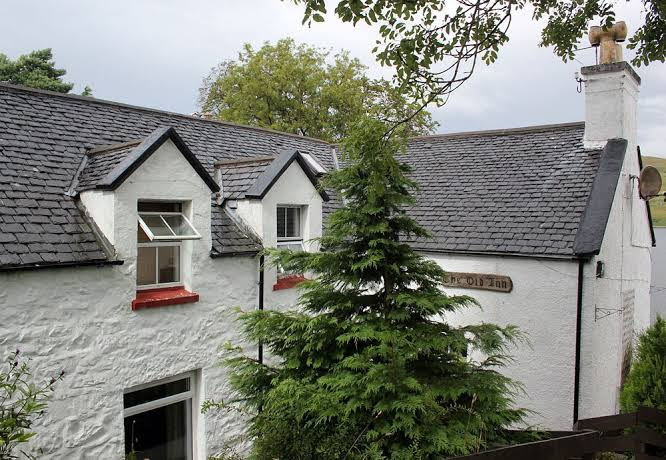
- The Old Inn & Waterfront Bunkhouse (4.6★ · 1,652)
- Fairy Pools (4.5★ · 6,848)
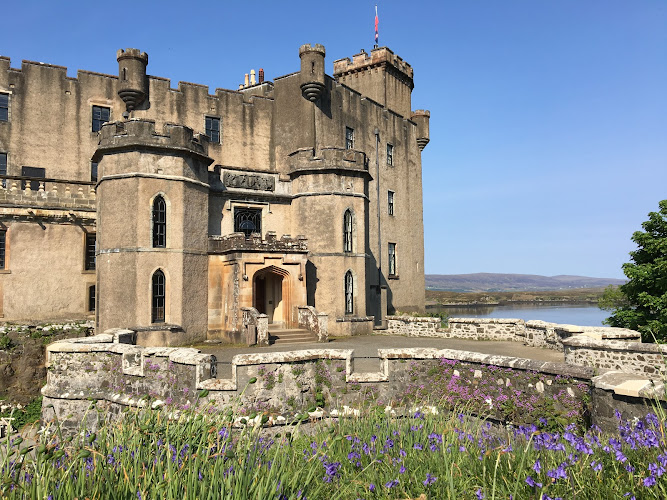
- Dunvegan Castle & Gardens (4.4★ · 7,242)
- Greshornish House (4.7★ · 276)
- Skye Museum of Island Life (4.5★ · 1,553)
- The Fairy Glen (4.6★ · 4,002)
- The Flodigarry Hotel (4.3★ · 527)
- Atholl House Skye (4.8★ · 159)
- Old School Restaurant (4.6★ · 1,438)
- Cuillin Hills Hotel (4.8★ · 1,127)
- Gasta (4.6★ · 1,169)
- Armadale Castle, Gardens & Museum (4.4★ · 1,294)
- Raasay House Hotel & Outdoor Activity Centre (Book cheapest rates direct – guaranteed) (4.5★ · 623)
- Lealt Falls (4.6★ · 736)
- Edinbane Lodge (4.8★ · 248)
- The Skye Inn (4.3★ · 248)
- Neist Point Lighthouse (4.8★ · 2,928)
- Giant Angus MacAskill Museum (4.8★ · 119)
- Sligachan Waterfalls (4.6★ · 353)
- Loch Bay Restaurant (4.8★ · 246)
- Dunscaith Castle (4.7★ · 160)
- Pier House (4.9★ · 34)
- Red Skye Restaurant (4.7★ · 710)
- Sligachan Old Bridge (4.6★ · 3,978)