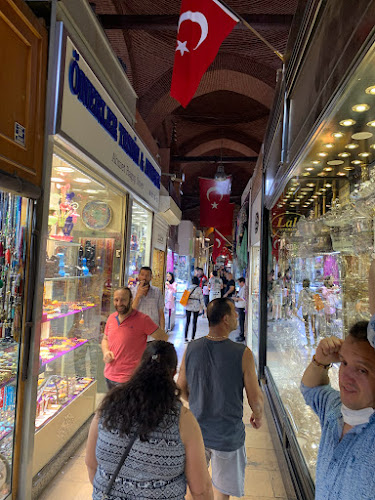
Bazar centrum is a vibrant commercial trading bazaar, artisan retail emporium, and traditional Turkish marketplace located in the historical district of Fatih near Eminönü in Istanbul, Turkey. Positioned amidst the ancient trading alleys between the Grand Bazaar and the Golden Horn waterfront, Bazar centrum showcases authentic Turkish kilim carpets, aromatic spices, hand-painted Iznik ceramics, hammered copperware, and handcrafted leather goods.
At A Glance: Bazar centrum Istanbul Overview
| Bazaar Aspect | Market Specification & Shopper Detail |
|---|---|
| Address & Location | Fatih / Eminönü district, 34120 Istanbul, Turkey (Historical Peninsula near Golden Horn) |
| Operating Hours | Monday–Saturday: 9:00 AM – 7:00 PM | Sunday: Closed (Select handicraft stalls open) |
| Admission & Entry | 100% Free walk-in public marketplace access |
| Merchandise Specialties | Turkish kilims, hand-hammered copper *cezve*, Iznik ceramic plates, silk pashminas, spices |
| Cultural Atmosphere | Historic vaulted Ottoman stone trading caravanserai (*han*) with courtyard tea stalls |
| Public Transit Access | T1 Kabataş–Bağcılar Tramway Line (Eminönü or Beyazıt Grand Bazaar stop) |
The Living Heart of Ottoman Merchant Commerce
For over five centuries since Sultan Mehmed the Conqueror constructed the Grand Bazaar (Kapalıçarşı) in 1461, Istanbul has reigned as the supreme mercantile crossroads connecting the Silk Roads of Asia with the trading ports of Europe. While the primary corridors of the Grand Bazaar can be packed with tourist trinkets, the historic commercial market centers (known as *hans* or merchant trading bazaars) like Bazar centrum preserve the true atmosphere of authentic Ottoman commerce.
Housed within historic stone-vaulted arcade halls, the bazaar is an sensory kaleidoscope: the deep earthy aroma of ground Turkish coffee, the fragrance of dried Damask rosebuds and Iranian saffron, the rhythmic metallic clinking of metalsmiths hammering copper bowls, and the rainbow glow of mosaic glass lanterns suspended overhead.
What to Buy: Authentic Turkish Handicrafts
Bazar centrum is celebrated for high-quality artisan craftsmanship directly sourced from master guilds across Anatolia:
- Hand-Woven Turkish Kilims & Carpets: Sourced from traditional weaving cooperatives in Kayseri, Hereke, and Cappadocia. Browse flat-weave tribal kilims and knotted wool-on-cotton rugs featuring ancient nomadic symbols representing fertility, protection, and harmony.
- Hand-Painted Iznik Style Ceramics: Vibrant cobalt-blue, turquoise, and coral-red ceramic bowls, decorative wall plates, and tulip-patterned tiles handcrafted using traditional quartz-rich clays inspired by Topkapi Palace designs.
- Traditional Copperware & Coffee Sets: Heavy, tin-lined hand-hammered copper *cezve* (traditional Turkish coffee pots) crafted by master coppersmiths, alongside engraved brass pepper grinders and ornate serving trays.
- Turkish Spices, Teas, & Confectionery: Authentic Turkish delight (*lokum*) flavored with real pomegranate juice, double-roasted pistachios, and rosewater, alongside sweet dried figs from Izmir and fragrant apple and sage herbal teas.
- Fine Leather & Silk Pashminas: Soft lambskin leather jackets, handmade leather slippers, and pure cashmere-silk pashminas woven with traditional Anatolian floral motifs.
The Ancient Art of Tea & Friendly Bargaining
Shopping at Bazar centrum is not a hurried retail transaction; it is a warm social experience steeped in Turkish hospitality. Merchants will invite you to sit on cushioned carpets while an apprentice brings small tulip-shaped glasses of steaming black Rize tea (*çay*) or rich Turkish coffee served with a piece of lokum.
Friendly bargaining (*pazarlık*) is customary and expected for carpets, leather, and jewelry. Approach negotiations with humor and respect: ask for the merchant’s “best cash price” (*son fiyat*), counter politely at roughly 60% to 70% of the initial quote, and settle comfortably in the middle where both parties part as friends.
Exploring the Historical Peninsula & Spice Bazaar
The bazaar’s prime location connects Istanbul’s greatest historical monuments:
Wander downhill toward the Golden Horn to visit the 17th-century Spice Bazaar (Mısır Çarşısı) and the magnificent tile-covered interior of the Rüstem Pasha Mosque. Cross the bustling Galata Bridge where hundreds of local fishermen cast lines into the Bosphorus, or take the T1 Tram up to the monumental complex of the Hagia Sophia, Blue Mosque, and Topkapi Palace in Sultanahmet.
Frequently Asked Questions About Bazar centrum
What payment methods are accepted?
Most established shops accept major credit cards (Visa and Mastercard), but carrying Turkish Lira (TRY), Euros (€), or US Dollars ($) in cash often secures the best negotiated discounts on handmade carpets and copperware.
Can carpets and fragile ceramics be shipped internationally?
Yes. Reputable carpet and ceramics dealers provide worldwide insured door-to-door courier shipping (via DHL or FedEx) and professional protective wooden crate packaging for fragile artworks.
When is the best time of day to visit?
Visiting between 10:00 AM and 12:30 PM on weekdays provides the most relaxed browsing atmosphere before afternoon shopping crowds peak.
Master Craftsmanship: The Living Guilds of Istanbul
Unlike modern mass-produced souvenir shops, Bazar centrum is connected to the historic guild system (*esnaf*) that has governed Anatolian craftsmanship for centuries. Master coppersmiths (*bakırcı*) still hammer sheets of pure copper over iron anvils, lining each cooking vessel with tin to ensure food safety. Master ceramicists hand-paint quartz-rich plates using mineral pigments—cobalt oxide for deep blues, copper carbonate for turquoise, and iron oxide for vibrant Armenian bole red—that undergo double-kiln firing at over 900 degrees Celsius to achieve their glass-like, permanent luster.
A Culinary & Shopping Walking Route in Historic Fatih
Immerse yourself in the authentic flavors and sights surrounding the bazaar:
- Morning: Shopping at Bazar centrum: Arrive at 10:00 AM to browse handcrafted Anatolian kilim rugs, hand-hammered copper coffee pots, and Iznik ceramics with personalized guidance and hospitality tea.
- Midday: Turkish Coffee in a Historic Caravanserai: Relax in the tranquil open-air courtyard of a nearby 17th-century stone caravanserai (*han*). Order authentic Turkish coffee brewed over hot sand (*kumda kahve*), served with double-roasted pistachio Turkish delight.
- Early Afternoon: Spice Bazaar & Rüstem Pasha Mosque: Walk down to the 1660 Spice Bazaar (Mısır Çarşısı) to smell mounds of sumac, Iranian saffron, and dried peppermint. Step inside the intimate Rüstem Pasha Mosque to view what art historians consider the finest Iznik tilework in all of Turkey.
- Late Afternoon: Bosphorus Views at Galata Bridge: Conclude your tour at Eminönü pier. Watch the historic Bosphorus passenger ferries glide past while enjoying a freshly grilled fish sandwich (*balık ekmek*) on the waterfront.
Authenticity Guide: Identifying Handmade Anatolian Kilims
When selecting a genuine hand-woven Turkish rug or kilim at Bazar centrum, use these expert guidelines:
- Examine the Reverse Side: On authentic hand-knotted wool rugs, the intricate pattern on the underside is nearly as vivid and clear as on the top, with slight organic irregularities in knot tension proving it was made by hand on a traditional village loom.
- Natural Vegetable Dyes: Ask the merchant about the dye sources. Traditional vegetable dyes—such as madder root for deep terracotta reds, indigo for navy blues, and onion skins or chamomile for golden yellows—age with a soft, luminous patina that synthetic chemical dyes cannot duplicate.
- Burn Test for Pure Wool & Silk: Reputable dealers will happily burn a tiny fringe fiber; genuine sheep’s wool or mulberry silk smells like burnt hair and leaves soft ash, whereas synthetic polyester fibers melt into hard plastic beads.