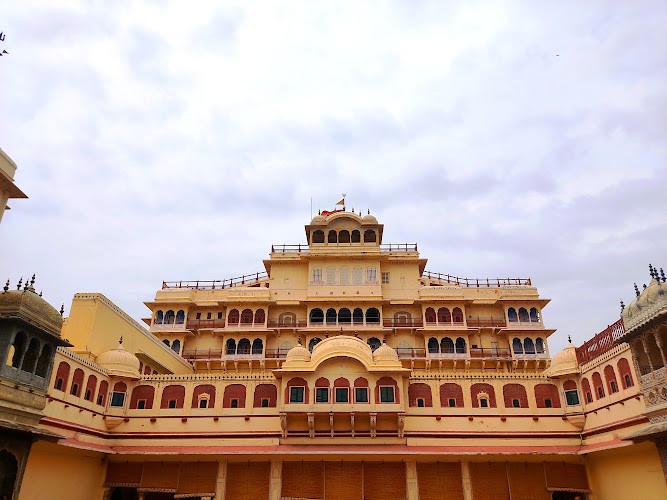
Maharaja Sawai Man Singh II Museum is the royal museum within Jaipur’s City Palace at The City Palace, 221 Tripolia Bazar Road, Gangori Bazaar, J.D.A. Market, Kanwar Nagar, Jaipur, Rajasthan 302002. Established in 1959 by Maharaja Sawai Man Singh II, the last ruling Maharaja of Jaipur, it preserves the Kachhwaha dynasty’s textiles, arms, paintings and ceremonial objects inside a palace begun by Sawai Jai Singh II after he founded Jaipur in 1727. Travelers come for a close view of courtly Rajasthan and the palace’s sequence of painted gateways, courtyards and audience halls.
What to Expect at Maharaja Sawai Man Singh II Museum
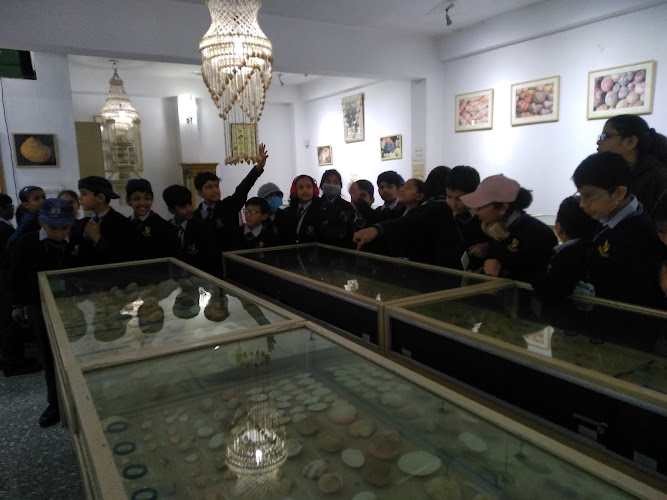
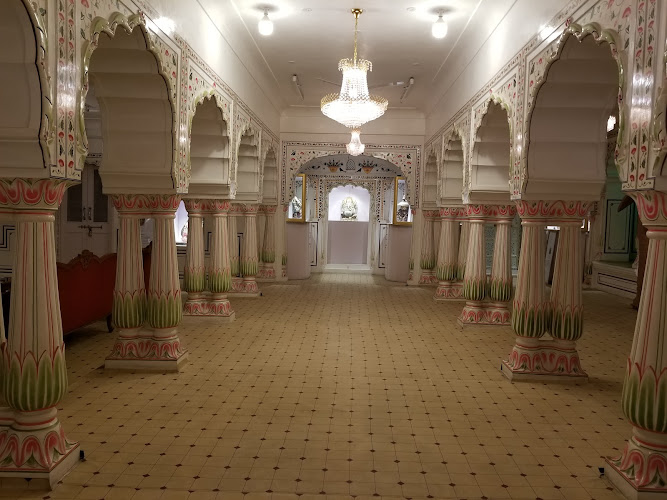
The museum’s core galleries occupy the elegant early-20th-century Mubarak Mahal, a reception palace designed in an Indo-European style with carved stonework, arches and jali screens. Its textile displays bring scale and craftsmanship to royal dress: look for finely worked turbans, court costumes, embroidered garments, pashmina shawls, Banarasi brocades and examples of Sanganeri printing. A frequently remembered piece is the enormous robe associated with Maharaja Sawai Madho Singh I, made for a ruler reputed to have been exceptionally large.
Allow time beyond Mubarak Mahal for the arms gallery, where swords, daggers, shields and firearms trace the martial culture of the Jaipur court, and for the palace’s ceremonial spaces. In the marble-pillared Diwan-i-Khas, or Hall of Private Audience, stand the celebrated sterling-silver Gangajalis, made to carry Ganges water for Sawai Madho Singh II’s 1902 journey to England. The route also frames the four seasonal gates of Pritam Niwas Chowk and views toward the still-occupied Chandra Mahal. Guided palace experiences are available through City Palace Jaipur; ask at the ticket desk about current departures and access. Travel light for security screening, follow gallery notices on bags and photography, and never use flash around artworks or textiles.
- Mubarak Mahal Textile Gallery: Royal costumes, shawls, turbans, brocades and printed fabrics displayed in the former reception palace.
- Maharaja Madho Singh I Robe: An outsized royal garment that conveys the scale and theatricality of Jaipur court dress.
- Sileh Khana Arms Collection: Swords, daggers, shields and firearms illustrating Rajput warfare and ceremonial display.
- Diwan-i-Khas Gangajalis: Two monumental silver vessels commissioned for transporting sacred Ganges water to Britain in 1902.
- Pritam Niwas Chowk: A courtyard of richly painted seasonal gateways, including Peacock Gate, reached within the palace complex.
Maharaja Sawai Man Singh II Museum at a Glance
| Detail | Information |
|---|---|
| Address | The City Palace, 221 Tripolia Bazar Road, Gangori Bazaar, J.D.A. Market, Kanwar Nagar, Jaipur, Rajasthan 302002 |
| Neighborhood / Area | Walled City, beside Jantar Mantar and near Tripolia and Johari bazaars |
| Operating Hours | Daily, 9:30am–5pm |
| Admission / Price Range | Paid entry; $$; ticket types vary by museum access and guided palace experience |
| Recommended Visit Duration | 1.5 to 2.5 hours |
| Nearest Transit / Parking | Badi Chaupar station on Jaipur Metro’s Pink Line; limited paid parking around Tripolia Bazar and the walled city |
| Official Website & Phone | City Palace Jaipur; +91 141 408 8888 |
Visiting Tips, Getting There & Nearby Pairings
Arrive close to the 9:30am opening, particularly from October through March, when tour groups and midday heat make the palace busier. Buy admission online or at the palace according to the level of access desired; enhanced guided experiences and private areas have different terms from standard museum entry. Start in Mubarak Mahal, continue through the arms displays and Diwan-i-Khas, then linger in Pritam Niwas Chowk before moving into the surrounding old city. The on-site Baradari restaurant is useful for a sit-down break, while Johari Bazar is close for street snacks and sweets.
From Badi Chaupar Metro station, the palace is an easy walk southwest through the walled city; allow extra time for traffic, pedestrians and uneven paving. Auto-rickshaws can drop visitors near the Tripolia-side approaches, but private-car access and curb space are constrained. Broad principal courtyards are largely level, yet this is a historic complex with thresholds, stone paving and some stair-only rooms; wheelchair users and visitors with strollers should request the most practical route from staff on arrival. Pair the museum with Jantar Mantar, immediately beside the palace, the honeycomb facade of Hawa Mahal about 10 minutes away on foot, and Govind Dev Ji Temple within the City Palace precinct.
Frequently Asked Questions
What are the museum hours and when is the best time to visit?
The museum is open daily from 9:30am to 5pm. Arriving at opening gives the best chance to see Mubarak Mahal and Pritam Niwas Chowk before larger groups gather, while late afternoon can be useful for softer courtyard light.
How much do tickets cost, and should I reserve ahead?
Entry is paid, with ticket categories depending on standard museum admission and any expanded guided palace experience. Check the official City Palace Jaipur website before visiting for current rates, inclusions and advance-booking options, especially in the high season.
How long should I plan for the Maharaja Sawai Man Singh II Museum?
Budget 1.5 to 2.5 hours for the textile and arms galleries, Diwan-i-Khas and principal courtyards. Add time if taking a guided experience, photographing architectural details, dining at Baradari or combining the visit with Jantar Mantar.
Is the museum suitable for families and wheelchair users?
Families will find the huge royal robe, silver vessels, weapons and painted gates especially engaging, though children should be supervised around display cases and historic surfaces. Courtyards offer room to pause, but uneven paving, raised thresholds and stair-only sections mean visitors using wheelchairs should speak with staff about the accessible route.
Continue browsing more top-rated attractions in Jaipur to build out your trip.