Editorial disclosure: This destinations.ai guide was prepared with AI assistance and checked against the official sources linked below. Some hotel and tour links on this page may earn an affiliate commission at no extra cost to you; our editorial recommendations remain independent.
Quick Trip-Planning Snapshot
Jaipur works best as a focused two-to-three-night stop on the Delhi–Agra–Jaipur circuit, with a fourth night worth adding if you want Amber’s quieter side, a cooking class or a day trip. The city is spread out, so plan around hired cars, app cabs and auto-rickshaws, with walking reserved for the Old City bazaars. Book your hotel, a driver for Amber and Nahargarh, and any popular dining or heritage-stay reservations several weeks ahead for the October to March season, and earlier around Diwali and major festivals.
- Best Base for First-Timers: Choose C-Scheme or Bani Park for comfort, restaurants and easy cab access, or a heritage haveli near the Old City if you want the bazaars at your doorstep and can tolerate traffic noise.
- Getting Around: Use app cabs and auto-rickshaws for point-to-point trips, a hired car with driver for the Amber, Jaigarh and Nahargarh ridge circuit, and your own feet inside the walled city. The metro is limited and not the main way tourists get around.
- Peak vs. Value Windows: Peak season runs roughly October to March, with the best weather and the highest hotel rates. April to June is cheaper but very hot, and the monsoon months bring humidity with greener hills and thinner crowds.
- Top Insider Tip: Visit Amber Fort right at opening, then move on to Jaigarh and the City Palace by late morning. Save Johari Bazaar for the evening, and Nahargarh for sunset with your return ride arranged in advance.
Jaipur, the capital of Rajasthan, is the famed Pink City of northwestern India, a former royal seat ringed by hilltop forts and filled with rose-hued palaces and bustling bazaars. The honeycombed Hawa Mahal, or Palace of Winds, is its signature facade, while the sprawling Amber Fort rises majestically above a lake on the city’s edge.
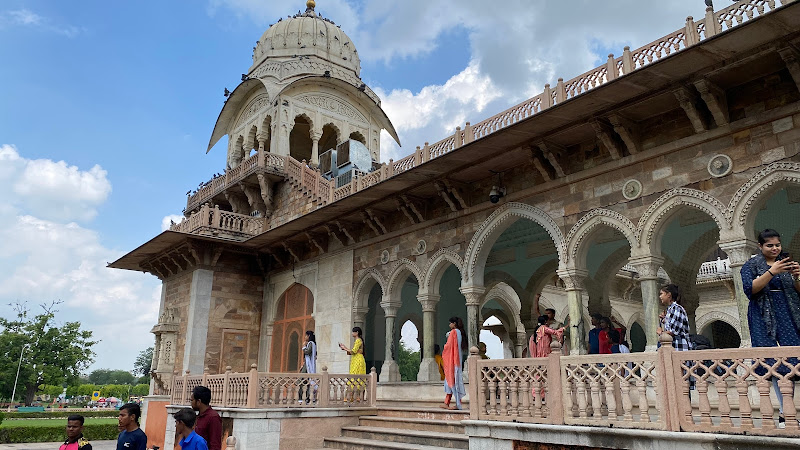
At the heart of the old walled city, the City Palace complex and the UNESCO-listed Jantar Mantar astronomical observatory showcase Rajput and Mughal grandeur. Vibrant markets sell textiles, jewelry, and handicrafts, and the Albert Hall Museum displays Indo-Saracenic splendor. Jaipur forms part of India’s classic Golden Triangle with Delhi and Agra.
The best time to visit is the cool, dry winter from October to March, with pleasant sightseeing weather and festivals like the Jaipur Literature Festival in late January.
Affiliate placeholder: Compare accommodation options after checking the official property details, location, and cancellation terms.
Affiliate placeholder: Check current activity availability, meeting points, accessibility, and cancellation terms before reserving.
Sources and current planning links
Explore more destinations.ai travel guides when building a longer route.
How to plan a Jaipur visit
Jaipur is easiest to understand as a planned historic city surrounded by forts, palaces, gardens, markets, and a fast-growing modern food scene. Group the old city sights together, give Amber and the hill forts their own route, and protect time for craft, food, and rest. The Pink City can feel close on a map and slow in traffic, so a realistic plan is more valuable than an oversized checklist.
Rajasthan Tourism describes Jaipur as a planned city founded in the eighteenth century and one corner of India’s Golden Triangle. Its official visitor information covers attractions, routes, transport, and nearby places. Use the current government listings for hours, ticket arrangements, festivals, and access, particularly when a palace, museum, show, or fort is the reason for your trip.
What are the best things to do in Jaipur?
Start with Amber Fort, City Palace, Jantar Mantar, Hawa Mahal, and the old city markets, then add a museum, garden, or hilltop view that matches your pace. These sights show Jaipur’s royal history, astronomy, architecture, craft, and daily life. Do not assume every palace can be fully explored in one quick stop; allow for courtyards, stairs, queues, and the time it takes to appreciate the details.
Amber Fort, also called Amer Palace, sits outside the central city and deserves an early start. The complex combines Rajput and Mughal influences, courtyards, hill views, and a long history of changing use. Check the current entry, guide, light, sound, transport, and animal-welfare information before booking an experience. There is no need to choose an elephant ride to appreciate the fort, and visitors should avoid any activity whose welfare standards are unclear.
Inside the old city, City Palace and Jantar Mantar make a natural history-and-science pairing. Jantar Mantar’s large geometric instruments are easier to understand with a guide or interpretation, while the palace rewards a slower look at textiles, arms, courtyards, and decorative work. Hawa Mahal is iconic from the street and offers a different perspective from inside; plan the crossing and traffic around it rather than treating the facade as a quick roadside photo.
Albert Hall Museum, Ram Niwas Garden, Nahargarh Fort, Jal Mahal viewpoints, and local galleries can fill the spaces between the headline sights. Choose one or two based on heat and distance. The official state tourism site also highlights hand-printing, jewelry, textiles, markets, and city tours. Buy crafts because you value them, ask how they were made, and compare prices and materials before committing.
Religious sites and busy bazaars ask for respectful behavior. Dress appropriately, follow photography rules, remove shoes where required, and ask before photographing people or ceremonies. A good guide should explain context and costs clearly. If you visit a market with a driver or fixer, set expectations about shopping stops before the tour begins so the day remains yours.
Where should you stay in Jaipur?
Stay near the walled city for quick access to major historic sights, in a central modern neighborhood for restaurants and transport, or in a heritage property when the hotel itself is part of the experience. Jaipur’s best base depends on your tolerance for traffic, evening plans, and whether you will make day trips beyond the city.
Compare the exact address, road access, air conditioning, water, lift, pool, breakfast, driver pickup, and cancellation policy. A heritage haveli can be beautiful but may have stairs, uneven floors, or limited sound insulation. Ask how the property handles late arrival and whether a car can reach the entrance. Families and older travelers should confirm bathrooms, shade, and quiet sleeping arrangements directly.
What should you eat in Jaipur?
Eat in Jaipur for Rajasthani thali, dal baati churma, kachori, street snacks, sweets, vegetarian cooking, and modern restaurants that interpret local ingredients. Plan one sit-down meal, one market or breakfast experience, and enough flexibility for the day’s heat and traffic. Ask what is freshly prepared and what the kitchen recommends rather than ordering from an oversized list.
Choose busy, well-managed vendors and follow your own health needs. Tell staff about allergies, nuts, dairy, gluten, spice, and cross-contact. Carry water and a simple backup snack on long fort routes. Some dining rooms need advance reservations, while a casual café near your hotel may be the better choice after a hot afternoon of sightseeing.
What is the best time to visit Jaipur?
The cooler, drier months from roughly October through March are usually the most comfortable for forts, markets, and long city walks, while the hotter months require an earlier start and a slower schedule. Weather and demand vary, so check the current forecast, festival calendar, and attraction information before choosing dates.
Winter festivals can make Jaipur lively and busy. Spring may bring comfortable mornings and warmer afternoons, while monsoon weather can change outdoor plans without making every indoor attraction a poor choice. Carry sun protection, breathable clothing, a light rain layer when needed, and shoes that can handle stone floors and uneven streets. Avoid building a day around a single unconfirmed show or opening hour.
How do you get around Jaipur?
Use a reputable driver or taxi for a grouped fort route, walk short old-city sections with care, and check current metro, bus, or rideshare options for journeys that match their coverage. Jaipur is spread between the walled city, outer forts, airport, hotels, and markets. A driver can save time, but confirm the route, waiting time, inclusions, and shopping expectations first.
Traffic, heat, animals, construction, and pedestrian crowds can turn a short distance into a long one. Start early for Amber and other hill routes, keep valuables secure, and agree on a visible pickup point. If you hire a guide, verify the operator and total price. Save hotel addresses in writing and keep a backup way to contact your driver when traveling outside the central city.
Is Jaipur good for families and accessible travel?
Jaipur works for families when the itinerary mixes one major fort or palace with a garden, museum, food stop, and an afternoon break. Children may enjoy stories of rulers, astronomical instruments, colorful markets, and open courtyards, but the heat and crowds make a slower plan essential. Check age rules, shade, toilets, and food before booking.
Accessibility varies across historic sites, stairs, courtyards, lanes, vehicles, and bathrooms. Ask the attraction and hotel about step-free entry, lift access, seating, vehicle drop-off, and how much walking is required. A private car can reduce transfer stress, but the fort itself may still contain uneven surfaces. Choose a shorter route without apologizing for it.
A practical three-day Jaipur itinerary
Three days gives a first-time visitor room for Amber, the walled city, royal collections, markets, food, and one flexible cultural or garden experience. Add time for a slower trip or a wider Rajasthan route.
- Day one: Begin early at Amber Fort, add one nearby confirmed sight, and return for a shaded lunch and an easy evening.
- Day two: Walk the walled city, see Hawa Mahal, City Palace, and Jantar Mantar, then explore a current market or food route.
- Day three: Choose Albert Hall, a garden, Nahargarh, a craft or cultural experience, and a restaurant that fits the current traffic and weather.
What day trips work from Jaipur?
Ajmer, Pushkar, Sambhar, and other Rajasthan destinations can extend a Jaipur itinerary, but each needs a current road, train, opening, and return-time check. Agra can fit a larger Golden Triangle route, while trying to add it after a full Jaipur day may leave little time for either place. Choose one direction and confirm the final connection.
Jaipur is most rewarding when the grand sights are balanced with the ordinary city around them. Use the current Rajasthan Tourism information below, support legitimate local guides and craftspeople, and leave enough room for heat, traffic, a long lunch, and the unexpected color of the Pink City.
For a longer regional route, compare Agra, India, Goa, India, Varanasi, India with this destination before finalizing your itinerary.
Frequently asked questions
What is Jaipur, Rajasthan best known for?
Jaipur, the capital of Rajasthan, is the famed Pink City of northwestern India, a former royal seat ringed by hilltop forts and filled with rose-hued palaces and bustling bazaars. The honeycombed Hawa Mahal, or Palace of Winds, is its signature facade, while the sprawling Amber Fort rises majestically above a lake on the city's edge.
When is the best time to visit Jaipur?
The best time to visit is the cool, dry winter from October to March, with pleasant sightseeing weather and festivals like the Jaipur Literature Festival in late January.
How many days should you spend in Jaipur?
Plan about 3 days for a first visit, then add time if you want to explore beyond the central sights.
How should you get around Jaipur?
Its official visitor information covers attractions, routes, transport, and nearby places.
What should you book ahead in Jaipur?
Check the current entry, guide, light, sound, transport, and animal-welfare information before booking an experience.
Explore Jaipur by Category: Discover top curated spots across Jaipur Attractions & Sightseeing, Best Places to Stay in Jaipur, Jaipur Restaurants & Dining, Jaipur Resort hotel, Jaipur Wedding venue, Jaipur Fine dining restaurant, Jaipur Nightlife, Jaipur Event venue, Jaipur Castle, Jaipur Fortress, Jaipur Historical place, Jaipur Museums, Jaipur Chinese restaurant, Jaipur Indian restaurant, Jaipur North Indian restaurant, Jaipur Vegetarian restaurant, Jaipur Breakfast restaurant, Jaipur Rajasthani restaurant.
Where to Stay: Neighborhood Trade-Off Matrix
| Neighborhood / Area | Best For | Vibe & Walkability | Key Trade-Off |
|---|---|---|---|
| Old City (Pink City / Walled City) | First-time sightseers, heritage havelis, photographers, shoppers | Dense, chaotic and atmospheric, with City Palace, Hawa Mahal, Jantar Mantar and Johari Bazaar within walking range. Pavements are patchy and traffic is heavy. | Noise, congestion and limited parking. Hotel quality varies widely, and access by car can be slow at peak hours. |
| C-Scheme | Comfort-seekers, couples, café and restaurant lovers, business travelers | Orderly, modern and central, with good dining and shopping. It is walkable within the district but not to the major monuments. | You need a cab or auto for every sight, and it lacks the old-world character of the walled city. |
| MI Road | Short stays, rail arrivals, mid-range hotels, easy transfers | A busy commercial spine near Jaipur Junction and the edge of the Old City, with shops, eateries and mid-range hotels. Walkable in stretches but traffic-heavy. | Functional rather than charming, with noise and fumes along the main road. |
| Bani Park | Families, longer stays, small heritage guesthouses, quieter evenings | Residential and calmer, with homestays and boutique hotels. You can walk to cafés and local shops but not to the main attractions. | It sits a cab ride from the main sights, with fewer late-night options than C-Scheme. |
| Amer Road / Jal Mahal Area | Palace-hotel stays, Amer Fort early starts, views and quiet | Spacious and scenic, with a resort feel and easy access to Amber, Jaigarh and Jal Mahal. Almost everything requires a vehicle. | It is far from city dining and the bazaars, and you will pay for transfers and often for hotel meals. |
| Sanganer / Airport Side | Late arrivals, early flights, block-print workshops | Functional and low-key, with textile and craft workshops nearby. Not a sightseeing base. | It saves airport time but costs you the Jaipur evening atmosphere and adds travel to every major site. |
Choose by how you want to spend your mornings and evenings. Pick the Old City if you want to be in the bazaars at dawn and can accept noise. Choose C-Scheme or Bani Park for comfort, restaurants and an easier return after a hot day. Opt for Amer Road if forts and a resort-style retreat are the point of the trip. If you are only in Jaipur for one or two nights, MI Road or the airport side makes the logistics simpler, but you give up atmosphere.
Seasonal Timing, Crowd & Pacing Matrix
| Season / Months | Weather & Crowd Reality | Standout Experiences | Planning Strategy |
|---|---|---|---|
| Winter (November to February) | Cool, dry and clear days with chilly mornings and evenings. This is the busiest and most expensive period, with heavy crowds at Amber Fort and the City Palace. | Full days of fort and palace sightseeing, bazaar evenings, rooftop dining, and the Jaipur Literature Festival, usually held in January. | Book hotels and drivers well ahead, arrive at forts at opening, and pack layers for early starts and cold nights. |
| Spring (March) | Warm and sunny with temperatures climbing quickly. Crowds begin to thin after the winter peak, and Holi can affect street conditions and opening patterns. | Comfortable sightseeing in the morning, colorful festival atmosphere, and outdoor cafés in the evening. | Start early, rest midday, and check festival dates before fixing your itinerary and hotel nights. |
| Summer (April to June) | Very hot, often extreme in the afternoon. Visitor numbers and hotel rates drop noticeably. | Quiet mornings at the monuments, air-conditioned museums and palace interiors, and relaxed dining. | Sightsee only in the early morning and after sunset, rest indoors midday, and prioritize hotels with a pool and reliable air-conditioning. |
| Monsoon and Post-Monsoon (July to October) | Humid with intermittent heavy rain from July to September, greener hills, and thin crowds. October returns to clear, warm weather as the high season begins to build. | Green views from Nahargarh and Amber, lower prices, and festival-season energy in the autumn, including Diwali lighting in the bazaars. | Keep flexible plans for rain, book early for October and Diwali, and avoid flooded or congested roads at peak storm times. |
Most visitors arrive at Jaipur International Airport in Sanganer, which is a short cab or prepaid taxi ride from the center, or by train at Jaipur Junction, which is well connected with Delhi, Agra and Udaipur. Inside the city, use app cabs or auto-rickshaws for most hops, agree on the fare or meter before you set off, and hire a car with driver for the Amber, Jaigarh and Nahargarh circuit. The Jaipur Metro covers only a limited corridor, so treat it as a minor option rather than your main plan. Walk the Old City in short bursts, and avoid midday traffic where you can.
Explore Jaipur by Category
- Attractions in Jaipur (27)
- Hotels in Jaipur (20)
- Museums in Jaipur (20)
- Restaurants in Jaipur (16)
- Indian restaurant in Jaipur (8)
- Wedding venue in Jaipur (7)
- North Indian restaurant in Jaipur (6)
- Nightlife in Jaipur (5)
- Breakfast restaurant in Jaipur (4)
- Fortress in Jaipur (4)
- Rajasthani restaurant in Jaipur (4)
- Vegetarian restaurant in Jaipur (4)
- Castle in Jaipur (3)
- Chinese restaurant in Jaipur (3)
- Event venue in Jaipur (3)
- Fine dining restaurant in Jaipur (3)
- Historical place in Jaipur (3)
- Resort hotel in Jaipur (3)
Top Verified Places in Jaipur
- Amber Palace (4.6★ · 160,830)
- ITC Rajputana, a Luxury Collection Hotel, Jaipur (4.7★ · 17,306)
- Pratap Celebrity Wax Museum Jaipur (4.7★ · 57,450)
- Chokhi Dhani Resort, Jaipur (4.3★ · 49,171)
- Govindam Retreat (4.6★ · 7,865)
- Suvarna Mahal (4.8★ · 5,796)
- Trident Hotel Jaipur (4.5★ · 10,346)
- Kalyan Restaurant & Bar (4.6★ · 3,937)
- The City Palace (4.4★ · 52,592)
- Hawa Mahal (4.5★ · 142,002)
- Jaipur Marriott Hotel (4.5★ · 18,031)
- Albert Hall Museum (4.5★ · 64,748)
- Thali & more (4.4★ · 6,927)
- Handi restaurant jaipur (4.1★ · 11,203)
- Zolocrust (4.6★ · 3,572)
- Daniel's Oriental Kitchen (4.8★ · 1,206)
- Hilton Jaipur (4.4★ · 10,435)
- Jaigarh Fort (4.5★ · 28,930)
- The Oberoi Rajvilas, Jaipur (4.7★ · 4,075)
- Nahargarh Fort (4.5★ · 69,046)
- Jai Mahal Palace, Jaipur (4.7★ · 8,862)
- Fort Restaurant Jaipur (4.3★ · 7,450)
- The Forresta Kitchen & Bar (4.2★ · 4,223)
- Peacock Restaurant (4.4★ · 3,416)