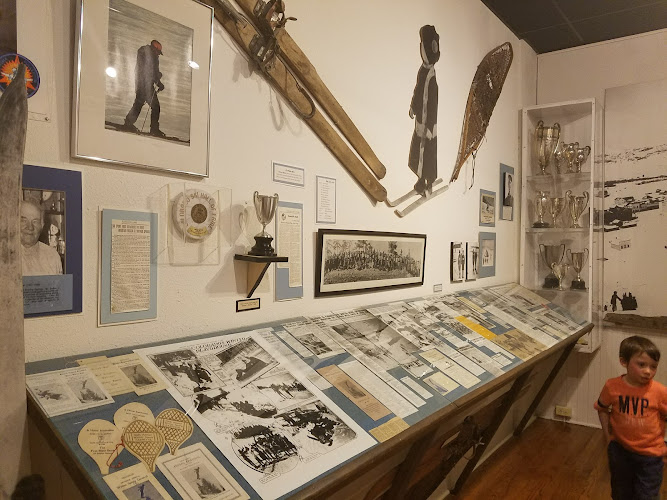
Breckenridge History: Edwin Carter Museum is a compact local-history and natural-history museum at 111 N Ridge St, Breckenridge, CO 80424, on the north side of downtown Breckenridge. Set in the 1870s log cabin of miner-turned-naturalist Edwin Carter, it explains how one resident documented Rocky Mountain wildlife while the surrounding town grew from a gold-mining camp. Travelers come for Carter’s remarkable story, period cabin atmosphere, and a concise introduction to Breckenridge’s mining-era landscape.
What to Expect at Breckenridge History: Edwin Carter Museum
Edwin Carter arrived in Breckenridge in 1868 to prospect for gold, then redirected his energy toward studying the animals of the high country. From his cabin, he assembled an important collection of mounted Rocky Mountain birds and mammals at a time when rapid settlement was changing the local environment. Carter died in 1900, and his collection of more than 3,000 specimens was acquired by what is now the Denver Museum of Nature & Science. The museum interprets his work and the wider natural world that drew him away from mining.
The visit is intimate rather than exhaustive: expect historic rooms, wildlife displays, artifacts, photographs, and family-friendly interpretation inside a one-story log structure. Look closely at the hand-hewn logs and simple domestic scale of the cabin; Carter’s home is itself a key artifact, placing scientific curiosity within the hard realities of a nineteenth-century mountain town. Allow time to read the labels with children, then continue along Ridge Street and Main Street for a fuller picture of Breckenridge history. The small rooms reward a slow visit, especially for travelers interested in taxidermy, conservation history, and the mining frontier.
- Edwin Carter’s cabin: Explore the preserved 1870s log home where Carter lived and worked after arriving in Breckenridge as a prospector.
- Rocky Mountain wildlife: Learn how Carter documented regional birds and mammals through his influential natural-history collection.
- Mining-to-naturalist story: Follow the unusual career shift from gold seeker to self-taught collector and observer of the high country.
- Historic-building details: Notice the cabin’s hand-hewn log construction and close-scale rooms, far removed from a conventional large gallery.
- Downtown history pairing: Combine it with the nearby Barney Ford Museum for perspectives on Black entrepreneurship, lodging, and civic life in early Breckenridge.
Breckenridge History: Edwin Carter Museum at a Glance
| Detail | Information |
|---|---|
| Address | 111 N Ridge St, Breckenridge, CO 80424 |
| Neighborhood / Area | North downtown Breckenridge, one block east of Main Street |
| Operating Hours | Tuesday-Sunday, 11am-4pm; closed Monday |
| Admission / Price Range | Free admission; donations support Breckenridge History programs |
| Recommended Visit Duration | 30 to 45 minutes |
| Nearest Transit / Parking | Walk from Breckenridge Station via Main Street; paid downtown parking is available at North Gondola Lot and other town lots |
| Official Website & Phone | breckhistory.org · 970-453-9767 |
Visiting Tips, Getting There & Nearby Pairings
Arrive close to the 11am opening for the quietest look at the displays, particularly during ski season, summer weekends, and fall foliage weekends. Admission is free, so timed tickets are not needed; check the official museum page before setting out because seasonal operations and special programming can affect access. Large backpacks are awkward in the cabin’s close quarters, and there is no reason to rush: this is a short, detail-oriented stop rather than an all-day museum.
From Breckenridge Station, the town transit hub, it is roughly a 10-minute walk north along Main Street and east on Wellington or Lincoln Avenue toward Ridge Street. Drivers should use a paid public lot rather than expect dedicated museum parking; North Gondola Lot is a practical option a few blocks away. The historic cabin is on one level, but its narrow interior circulation and limited turning room can be difficult for some wheelchair users and strollers, so call ahead to discuss individual access needs. Within a 5- to 15-minute walk, pair the museum with the Barney Ford Museum, Blue River Plaza, and the Riverwalk Center, or browse the shops and restaurants along Main Street.
Frequently Asked Questions
When is the Edwin Carter Museum open, and when is the best time to go?
The museum is open Tuesday through Sunday from 11am to 4pm and is closed on Mondays. Visit at opening for the calmest experience, especially when Breckenridge is busy with ski, summer, or foliage visitors.
Does the Edwin Carter Museum charge admission or require reservations?
Admission is free, and a standard visit does not require a reservation. Donations are welcome; check the official Breckenridge History website for special tours, group arrangements, and any temporary schedule changes.
How much time should I budget for the museum?
Plan on 30 to 45 minutes to examine the cabin, wildlife interpretation, and local-history exhibits at a comfortable pace. Add another hour if you are walking onward to the Barney Ford Museum and Main Street landmarks.
Is the Edwin Carter Museum suitable for children and wheelchair users?
Children respond well to the animal-focused displays and the chance to see a real nineteenth-century cabin. The single-level museum is small, but narrow historic interiors can constrain wheelchair and stroller movement; contact the museum before arrival for current access guidance.
When planning your Keystone travel guide or comparing verified attractions and local history museum in Keystone, pair this stop with standout local spots including Pioneer Village Museum, SnowBird Cafe and Bistro, Lakeside Village by Keystone Resort, and Mountain Top Explorium (0.2 km away).