Editorial disclosure: This destinations.ai guide was prepared with AI assistance and checked against the official sources linked below. Some hotel and tour links on this page may earn an affiliate commission at no extra cost to you; our editorial recommendations remain independent.
Quick Trip-Planning Snapshot
Keystone is a compact gateway town on the eastern edge of the Black Hills, and it works best as a two- to three-night base rather than a destination you finish in an afternoon. Mount Rushmore sits minutes up the road, while Custer State Park, Hill City, the cave systems and the Crazy Horse Memorial all require a car. Public transit is effectively absent, so plan on driving or renting from Rapid City. Book lodging early for summer, and book it very early for the first half of August, when the Sturgis motorcycle rally reshapes traffic and room supply across the region.
- Best Base for First-Timers: Stay in Keystone itself for the shortest drive to Mount Rushmore and an easy walk to dinner. If you want a quieter evening, choose Hill City instead.
- Getting Around: Fly into Rapid City Regional, rent a car, and expect roughly 30 to 40 minutes of driving to Keystone. Scenic roads such as Iron Mountain Road, Needles Highway and the Wildlife Loop are slow, winding and part of the experience, so budget time rather than miles.
- Peak vs. Value Windows: Peak runs from Memorial Day through Labor Day, with the heaviest pressure in July and during the August rally. Late May, September and early October offer the best balance of open attractions, lighter crowds and cooler hiking weather.
- Top Insider Tip: Visit Mount Rushmore early in the morning or in the evening, since parking is paid at the on-site structure (there is no entrance fee) and midday lots and roads fill up. Save the midday hours for Custer State Park or a cave tour.
Keystone, South Dakota, sits in the Black Hills at the doorstep of Mount Rushmore National Memorial, about three miles away. You come here for presidential history, granite scenery, family attractions, and easy access to some of western South Dakota’s most memorable drives.
This Keystone travel guide helps you use the town as a convenient base for Mount Rushmore, Custer State Park, scenic highways, caves, and Black Hills attractions.
The town itself is compact and tourist-oriented, with seasonal shops, casual restaurants, old-west façades, and attractions clustered along Highway 16A. You will get the most from Keystone by treating it as both an overnight stop and a starting point for wider Black Hills exploration.
Key Takeaways
- You can reach Mount Rushmore from Keystone in minutes.
- A car gives you the most flexibility for Black Hills day trips.
- Summer requires early bookings for lodging and popular tours.
Quick Answers and Trip Profile
Keystone works best as a Mount Rushmore base with family attractions and quick access to the central Black Hills. Its location near the memorial makes it especially convenient when you want to arrive early, return for an evening program, or avoid a long drive after sightseeing.
You should plan two days for Keystone and Mount Rushmore, or three days if you want to add Custer State Park, Crazy Horse Memorial, Hill City, or a cave tour. The town is small enough to explore on foot around its commercial core, while the surrounding region rewards a road-trip pace.
- Best for: Families, first-time Black Hills visitors, history travelers, and road trippers.
- Best base: Central Keystone for walkable dining and attractions, or a cabin/campground outside town for quieter nights.
- Nearest major attraction: Mount Rushmore National Memorial.
- Ideal stay: Two to three nights.
- Transportation: Rent a car or bring your own vehicle.
- Signature experiences: Mount Rushmore, the 1880 Train, Black Hills scenic drives, gold-mining history, and family adventure parks.
Keystone has a distinctly seasonal rhythm. In warm months, storefronts, ice-cream counters, miniature golf, aerial attractions, and tour operations create a busy visitor-town atmosphere. In winter, services narrow significantly, though Mount Rushmore remains accessible year-round.
For a useful starting point, browse the local Keystone, South Dakota destination page before choosing lodging. It’s wise to reserve your room before building the rest of your Black Hills route, especially for June through August.
Best Things to Do in Keystone, South Dakota
Mount Rushmore National Memorial is the essential Keystone experience, and you should give it more time than a quick roadside photo stop. Walk the Avenue of Flags, visit the Lincoln Borglum Visitor Center, and take the Presidential Trail for closer views of the sculpture.
Arrive early in the morning for easier parking and cooler walking conditions. If you’re visiting during the summer season, check the National Park Service schedule for ranger programming and the evening lighting program before committing to dinner plans.
The 1880 Train offers a historic rail excursion between Keystone and Hill City. It suits you if you want a slower activity between monument visits, particularly with children or train enthusiasts. Confirm operating dates and departure times directly with the railroad because the schedule is seasonal.
Keystone’s additional attractions give you flexible options when children need a break from driving or when afternoon weather shifts. You can consider:
- Rushmore Tramway Adventures for a scenic chairlift, alpine slide, zip lines, and ropes-course activities.
- Big Thunder Gold Mine for a guided look at Black Hills mining history and gold panning.
- Rushmore Borglum Story for context on Gutzon Borglum and the making of Mount Rushmore.
- Rush Mountain Adventure Park for a mountain coaster, cave tour, ropes course, and family rides.
- National Presidential Wax Museum for an indoor, history-themed stop.
The most satisfying Keystone day usually balances one major historic site with one ticketed family activity. Booking every attraction in one day leaves little time for the monument, scenic overlooks, or the shops along the main street.
History, Culture, and Local Character
Keystone’s character comes from its place in the Black Hills gold-rush era and its later role as the nearest service town to Mount Rushmore. You’ll see both influences in its mining-themed attractions, souvenir shops, historic-style buildings, and presidential imagery.
Gutzon Borglum’s Mount Rushmore project transformed the area into an international visitor destination during the twentieth century. At the memorial, you can learn about the sculpture’s construction, the workers who carved it, and the four presidents represented: George Washington, Thomas Jefferson, Theodore Roosevelt, and Abraham Lincoln.
For deeper local context, pair Mount Rushmore with the Rushmore Borglum Story and a gold-mine tour. The combination helps you connect the monument’s artistic ambition with the Black Hills economy that shaped Keystone long before the carvings began.
You should also recognize that the Black Hills hold enduring cultural and spiritual significance for Indigenous peoples, especially the Lakota. Visit with care, read interpretive material at public sites, and approach nearby places such as Crazy Horse Memorial as living cultural spaces instead of photo stops.
Keystone’s commercial district is designed for visitors, so you’ll encounter a lively mix of souvenir stores, candy shops, old-time photo studios, and casual eateries. The town is most appealing when you let yourself browse between planned stops, especially in the late afternoon after Mount Rushmore crowds begin to thin.
Neighborhoods, Parks, and Outdoor Activities
Where to Stay: Neighborhood Trade-Off Matrix
| Neighborhood / Area | Best For | Vibe & Walkability | Key Trade-Off |
|---|---|---|---|
| Keystone (town center) | First-timers, families, Mount Rushmore access | Compact main strip with restaurants, souvenir shops and attractions; walkable within the town, tourist-oriented in feel | Seasonal and busy in summer; many businesses thin out or close in winter, and nightlife is modest |
| Hill City | Couples, foodies, scenic-train riders | Small historic downtown with galleries, wineries and cafes; the most walkable and atmospheric base nearby | Roughly a 25 to 30 minute drive to Mount Rushmore; lodging books out early and runs pricier |
| Custer and Custer State Park lodges | Wildlife, hiking, drives and nature-focused trips | Quieter, more rustic; park lodges and cabins put you near the Wildlife Loop and trailheads, with town services in Custer | Farthest from Rushmore, so a car is essential; park lodges sell out far ahead of summer |
| Rapid City | Budget flexibility, airport convenience, dining variety | Historic downtown with public art, breweries and the widest restaurant choice; walkable in the core, car-based elsewhere | About 30 to 40 minutes from Keystone, so you add daily drive time and traffic to the Rushmore corridor |
| Rockerville / Black Hills forest cabins and campgrounds | Campers, RV travelers, groups wanting space | Wooded, private and quiet, with cabins and campgrounds scattered along the highways; not walkable | Limited dining nearby, so plan groceries and drives; some sites close seasonally |
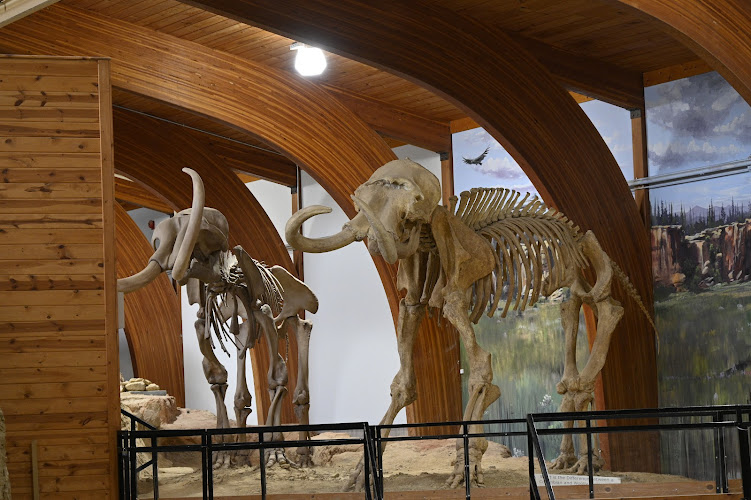
| Hot Springs / southern Hills | Cave visitors, quieter shoulder-season trips | Small-town sandstone architecture and a slower pace; best for those pairing Wind Cave and Mammoth Site | Over an hour from Keystone, which adds significant transit time on a short trip |
Choose Keystone if Mount Rushmore and short drives matter most, Hill City if you value atmosphere and dining, and Custer or the park lodges if wildlife and hiking are the point of the trip. Rapid City makes sense when you want a lower price, more food choices or an easy airport connection, as long as you accept the daily drive. Whichever you pick, anchor your stay near the first and last big sights of your itinerary to avoid repeated winding-road transfers.
Downtown Keystone is the most practical area when you want walkable restaurants, attractions, and souvenir shopping. You can park once, stroll the main commercial stretch, and reach several family activities without another long drive.
For quieter lodging, choose the wooded edges of town or nearby Highway 16A properties. These locations place you closer to the scenic roads leading toward Mount Rushmore, Custer State Park, and Hill City, though you’ll rely on your vehicle for meals and evening entertainment.
Horsethief Lake is a nearby outdoor option when you want a picnic, fishing time, or a calm break from major attractions. Conditions, access, and recreation rules vary through the year, so check current Black Hills National Forest notices before you go.
Your best outdoor days begin with a drive. Iron Mountain Road features pigtail bridges, tunnels, and framed views toward Mount Rushmore. Needles Highway brings you into the granite formations of Custer State Park, where narrow passages and wildlife viewing call for patience and slow driving.
If you hike, carry water, sturdy shoes, sun protection, and a downloaded map. Summer storms develop quickly in the Black Hills, and trail conditions change after rain. Wildlife deserves distance, particularly bison in Custer State Park, where you should remain inside your vehicle when animals are near the road.
For a broader outdoor itinerary, use a national parks and outdoor adventures planning guide to organize gear, route timing, and low-impact travel habits before you arrive.
Where to Stay and What to Eat
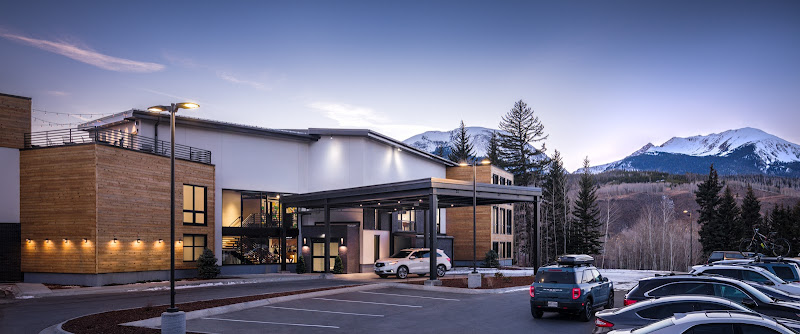
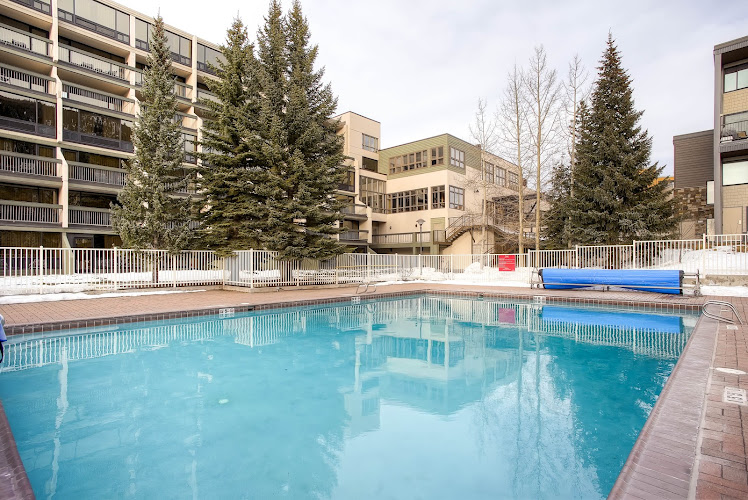
You should stay in central Keystone when convenience is your priority, and choose a cabin, campground, or lodge outside town when you want more space and a quieter Black Hills setting. Summer lodging fills early because Keystone is close to Mount Rushmore and sits on popular regional driving routes.
Hotels and motels near the town center put you close to restaurants and ticketed attractions. Vacation rentals and cabins work well for families who want a kitchen, separate sleeping areas, or room for outdoor gear. Campgrounds suit you when your trip centers on hiking, scenic roads, and park time.
Before reserving, confirm air conditioning, parking, breakfast, stairs, pet rules, and cancellation terms. These details vary widely among older roadside properties, cabins, and seasonal campgrounds. If you’re traveling with an animal, use this traveling with pets guide to plan vaccination records, heat safety, and lodging questions.
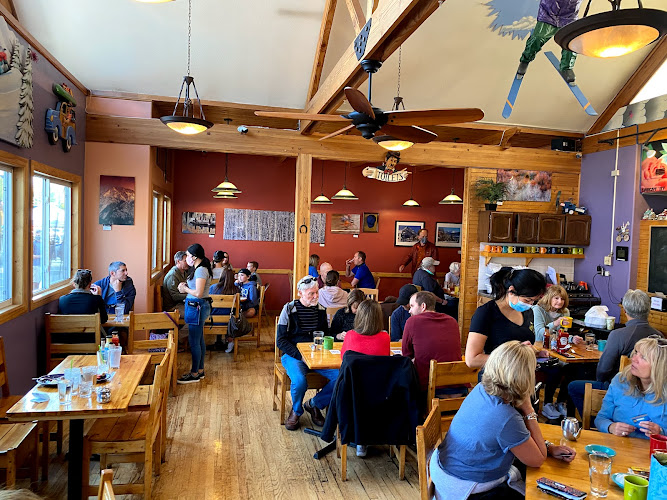
Keystone dining leans casual and convenient. You’ll find burgers, pizza, ice cream, breakfast counters, barbecue-style meals, and family-friendly restaurants along the main strip. Many dining rooms operate on seasonal schedules, so you should verify current hours before driving in from a scenic route.
For more variety, plan at least one meal in Hill City, Custer, Rapid City, or Deadwood during your wider Black Hills trip. Pack snacks and refillable water for drives because a long day in Custer State Park or Badlands National Park can place you far from a full grocery store.
How to Get There and Get Around
Driving is the best way to reach Keystone and explore the Black Hills around it. You’ll have the freedom to visit Mount Rushmore at quieter times, pause at overlooks, and build day trips around weather conditions.
Rapid City Regional Airport is the practical flight gateway for most visitors. From there, you can rent a vehicle and drive southwest into the Black Hills. Check your rental agreement for road restrictions, especially if you expect to use unpaved roads or travel during snowy conditions.
If you’re driving from the east, Rapid City makes a useful supply stop for groceries, fuel, and larger stores. If you’re arriving from the south or west, allow extra time for slower scenic roads and for animal traffic in Custer State Park.
Within Keystone, you can walk between many businesses in the downtown visitor area. You’ll still want a car for Mount Rushmore, trailheads, grocery runs, Custer State Park, Crazy Horse Memorial, Jewel Cave National Monument, and Hill City.
Mountain roads demand your attention. Keep headlights on when conditions call for them, use low gears on steep descents, avoid passing impatiently, and pull over only in designated areas. During winter, check road conditions before leaving, carry warm layers, and keep your fuel tank well above empty.
If you’re building a larger regional route, these road trip planning steps help you set realistic driving days and organize reservations around fixed tour times.
Best Time to Visit and Seasonal Planning
Late spring through early fall gives you the fullest Keystone experience, with the greatest number of attractions, restaurants, tours, and scenic roads available. June through August brings the busiest conditions, warm days, changing mountain weather, and the strongest demand for lodging.
May and September offer a calmer pace if your schedule is flexible. You’ll find cooler temperatures, fewer crowds around Mount Rushmore, and a better chance of booking preferred lodging, though some seasonal attractions reduce hours or close.
Summer is ideal when you want the 1880 Train, aerial adventure attractions, family parks, and evening activity in town. Start outdoor sightseeing early, as midday parking and heat can make the monument area feel more crowded.
Fall is best when you want scenic driving and a quieter Black Hills base. You should pack layers because mornings and evenings cool quickly, especially at higher elevations.
Winter provides a much different Keystone trip. Mount Rushmore remains a compelling stop in snow, but many town businesses and attractions close seasonally. You should stay in a property prepared for winter conditions and monitor forecasts before driving mountain roads.
Use a best time of year travel checklist to match your dates to your priorities. For Keystone, the key question is whether you want maximum attraction access or lighter crowds and cooler driving weather.
A Practical Two- or Three-Day Itinerary
A two-day Keystone trip gives you enough time for Mount Rushmore and a focused Black Hills loop; three days lets you slow down and add a major park or cave. Keep driving segments flexible because weather, wildlife, and road traffic shape each day.
Day 1: Keystone and Mount Rushmore
Start with breakfast in Keystone, then visit Mount Rushmore early. Walk the Avenue of Flags, see the exhibits, and allow time for the Presidential Trail.
Return to Keystone for lunch and choose one afternoon attraction, such as the 1880 Train, a gold-mine tour, or Rushmore Tramway Adventures. Browse downtown shops before dinner, then return to Mount Rushmore for evening programming if it’s offered during your dates.
Day 2: Custer State Park and Hill City
Drive Iron Mountain Road toward Custer State Park. Build in time for tunnels, overlooks, and wildlife traffic, then continue through the park on routes open during your visit.
Spend the afternoon in Hill City, where you can explore galleries, shops, and local dining. Ride the 1880 Train this day if you skipped it on Day 1, or return to Keystone for a relaxed evening.
Day 3: Choose a Cave, Memorial, or Long Scenic Day
Use your third day for Crazy Horse Memorial, Jewel Cave National Monument, Wind Cave National Park, or a longer drive toward Badlands National Park. Each choice works better as a single anchor activity than as part of an overloaded loop.
Reserve cave tours before finalizing this day. Tour capacity, seasonal operations, and age or mobility requirements differ by site. A trip itinerary planning framework helps you place timed tickets before scenic stops and restaurant plans.
Costs, Safety, Accessibility, and Reservations
Your Keystone budget depends heavily on lodging, vehicle costs, and how many ticketed attractions you choose. Mount Rushmore has no entrance fee, though parking carries a separate charge. Attractions such as train rides, mine tours, helicopter flights, adventure parks, and cave tours price tickets separately.
You can control spending by booking lodging early, packing picnic supplies, choosing one paid attraction per day, and using scenic drives as your main activity between ticketed stops. Check current prices directly with each attraction before you travel, since seasonal rates and package offers can change.
Reserve accommodations early for summer weekends, school breaks, major holidays, and the Sturgis Motorcycle Rally period. It’s also wise to prebook the 1880 Train, cave tours, helicopter flights, and popular family attractions once your travel dates are fixed.
Keystone is a straightforward destination if you follow normal road-trip precautions. Lock your vehicle, keep valuables out of sight, stay hydrated, watch for changing weather, and give wildlife plenty of space.
In the Black Hills, bison, deer, and other animals create real road hazards at dawn and dusk. Slow down, especially on quieter roads and scenic routes.
Accessibility varies. Mount Rushmore provides accessible parking, paved viewing areas, elevators, and visitor services. Historic attractions and outdoor adventure parks may include slopes, stairs, uneven ground, or weight and mobility restrictions.
Call ahead if you use a wheelchair, travel with a service animal, need captioning, or require an accessible tour route. Policies and available routes can differ between attractions.
For budget strategy beyond Keystone, use these affordable travel planning ideas to compare lodging types, daily food costs, and activity priorities before you book.
Sources and Current Planning Links
Use current official operating pages before departure because weather, road conditions, seasonal openings, ticket availability, and event schedules can change quickly. Your most important checks are Mount Rushmore access, Custer State Park roads, lodging policies, and reservations for timed attractions.
- Review a current list of [Keystone, South Dakota attractions and traveler information](https://www.tripadvisor.com/Attractions-g60908-Activities-Keystone_South_Dakota.html) while confirming final details with each attraction.
- Use this [family activity overview for Keystone](https://wereintherockies.com/things-to-do-keystone/) to compare seasonal options such as train rides, mine tours, adventure parks, and Horsethief Lake.
- Check the official websites for Mount Rushmore National Memorial, Custer State Park, Crazy Horse Memorial, Jewel Cave National Monument, the 1880 Train, and your chosen lodging before you leave.
- For broad traveler feedback on hotels and restaurants, consult the [Keystone visitor overview](https://www.tripadvisor.com/Tourism-g60908-Keystone_South_Dakota-Vacations.html) after you have confirmed official hours and policies.
Frequently Asked Questions
Keystone is a compact Black Hills gateway town where you can combine Mount Rushmore with family attractions, scenic drives, historic sites, and park access. You’ll get the strongest visit by giving the monument enough time and using Keystone as a base for the surrounding region.
Is Keystone, South Dakota worth visiting?
Yes, Keystone is worth visiting when Mount Rushmore, Black Hills scenery, and family-friendly attractions are part of your South Dakota plans. The town is most rewarding as a two- or three-night base, especially when you add Custer State Park or Hill City.
What are the best things to do in Keystone, South Dakota?
Mount Rushmore National Memorial is the top priority, followed by the 1880 Train, Rushmore Tramway Adventures, mining-history attractions, and the scenic drive on Iron Mountain Road. Choose one or two paid Keystone attractions around your monument visit so the day doesn’t feel rushed.
What can families do in Keystone, South Dakota?
Your family can ride the 1880 Train, pan for gold, visit Mount Rushmore, play miniature golf, take a chairlift, or spend time at adventure parks. Check height limits, age rules, weather policies, and seasonal dates before purchasing tickets.
What day trips can you take from Keystone, South Dakota?
You can take day trips to Custer State Park, Hill City, Crazy Horse Memorial, Jewel Cave National Monument, Wind Cave National Park, Rapid City, and Badlands National Park. Custer State Park and Hill City fit especially well into a Keystone stay because they pair easily with Iron Mountain Road.
Does Keystone, South Dakota have a cute downtown?
Yes, Keystone has a small, walkable tourist downtown with historic-style storefronts, souvenir shops, casual restaurants, candy stores, and family attractions. It’s best enjoyed as an evening stroll or a break between Mount Rushmore and other Black Hills activities.
Affiliate placeholder: Compare accommodation options after checking the official property details, location, and cancellation terms.
Affiliate placeholder: Check current activity availability, meeting points, accessibility, and cancellation terms before reserving.
Explore Keystone by Category: Discover top curated spots across Keystone Attractions & Sightseeing, Best Places to Stay in Keystone, Keystone Restaurants & Dining, Keystone American restaurant, Keystone Heritage building, Keystone Heritage preservation, Keystone Historical society, Keystone Non-profit organization, Keystone Heritage museum, Keystone Local history museum, Keystone Gift shop, Keystone History museum, Keystone Museums.
Seasonal Timing, Crowd & Pacing Matrix
| Season / Months | Weather & Crowd Reality | Standout Experiences | Planning Strategy |
|---|---|---|---|
| Spring (Apr-May) | Cool, changeable weather with occasional late snow; crowds are light until Memorial Day, and some seasonal attractions and roads open on a staggered schedule | Quiet Presidential Trail walks, early wildflowers, wildlife viewing with few vehicles | Confirm seasonal openings before you go, pack layers, and use the weekday lull for the best lodging flexibility |
| Summer (Jun-Aug) | Warm days, afternoon thunderstorms and the heaviest crowds; the early-August Sturgis rally brings heavy motorcycle traffic and tight lodging | Mount Rushmore evening programs, Custer State Park wildlife drives, Needles Highway, cave tours, Crazy Horse | Book lodging and cave tours months ahead, start sightseeing early, and avoid rally week unless you are attending |
| Fall (Sep-Oct) | Crisp, mostly dry days with thinning crowds; colour appears in aspen and birch stands and nights turn cold | Custer State Park events such as the fall Buffalo Roundup, lighter trails, scenic driving | Best value-to-experience window; reserve for roundup weekends early and check that late-season hours still apply |
| Winter (Nov-Mar) | Cold, snowy and quiet; many Keystone businesses and some park roads and attractions close or reduce service | Snow-dusted views of the memorial, uncrowded wildlife drives, low rates | Check road and attraction status daily, carry winter gear, and treat it as a short stop rather than a full itinerary |
Most visitors arrive via Rapid City Regional Airport, then pick up a rental car for the roughly 30 to 40 minute drive to Keystone; there is no passenger rail, and public transit does not serve the Black Hills sights in any practical way. Once there, treat the car as your main tool: group stops by direction (Rushmore and Crazy Horse together, Custer State Park and Hill City together), expect slower speeds on Iron Mountain Road and Needles Highway, which have narrow tunnels and tight curves, and fuel up before heading into the park, where services are limited.
Explore Keystone by Category
- Attractions in Keystone (13)
- Hotels in Keystone (9)
- Heritage preservation in Keystone (6)
- History museum in Keystone (6)
- Local history museum in Keystone (6)
- Restaurants in Keystone (6)
- Lodge in Keystone (5)
- Museums in Keystone (5)
- American restaurant in Keystone (4)
- Heritage building in Keystone (4)
- Gift shop in Keystone (3)
- Heritage museum in Keystone (3)
- Historical society in Keystone (3)
- Non-profit organization in Keystone (3)
- Parks in Keystone (3)
Top Verified Places in Keystone
- The Mammoth Site (4.8★ · 4,587)
- Powder House (4.6★ · 1,968)
- Breckenridge History: Lomax Placer Mine (4.9★ · 99)
- Frisco Historic Park and Museum (4.8★ · 780)
- Butterhorn Bakery & Cafe (4.9★ · 5,666)
- 3 Peaks Lodge (4.0★ · 949)
- Kickapoo Tavern (4.3★ · 1,181)
- Breckenridge History Museum (4.8★ · 103)
- Mitchell Park (4.7★ · 2,019)
- Keystone Resort (4.5★ · 6,709)
- The Pad (4.7★ · 849)
- Breckenridge History: Barney Ford Museum (4.7★ · 102)
- Timber Ridge Lodge (4.2★ · 306)
- Snake River Saloon and Steakhouse (4.1★ · 814)
- Cozens Ranch Museum (4.6★ · 77)
- Keystone Lodge and Spa (4.3★ · 1,173)
- Breckenridge History: Sawmill Exhibit (4.6★ · 107)
- Gateway Mountain Lodge (4.3★ · 166)
- Pioneer Village Museum (4.9★ · 41)
- Montezuma Roadhouse (4.0★ · 586)
- Breckenridge History: Edwin Carter Museum (4.7★ · 57)
- Homewood Suites by Hilton Dillon (4.5★ · 350)
- Keystone Ranch (4.6★ · 242)
- The Dakota (4.3★ · 88)