Frequently Asked Questions
How much does it cost to enter Kiyomizu-dera?
General admission to the main hall, wooden stage, and Otowa Waterfall is ¥400 JPY (approximately $3 USD) for adults.
Was Kiyomizu-dera really built without nails?
Yes, the monumental 13-meter-high wooden stage and supporting scaffolding of 139 pillars were constructed entirely using interlocking Japanese mortise-and-tenon wood joinery without a single iron nail.
Can you drink from all three streams at Otowa Waterfall?
You should choose only one stream to drink from (health, studies, or love). Tradition states that drinking from all three shows greed and nullifies the blessings.
- Address: 1-294 Kiyomizu, Higashiyama Ward, Kyoto 605-0862, Japan.
- Operating Hours: Gates open at 6:00 AM daily and close at 6:00 PM (extended to 6:30 PM in summer, and 9:30 PM during seasonal night illuminations).
- Transit: From Kyoto Station, take Kyoto City Bus 206 or 100 to Kiyomizu-michi or Gojo-zaka stop (15 minutes). From the bus stop, walk 10 minutes uphill along Matsubara Street to the Niomon entrance gate.
- Early Bird Tip: Entering at 6:00 AM when the wooden gates creak open offers total serenity, with morning monks chanting in the halls and zero tourist tour crowds.
Frequently Asked Questions
How much does it cost to enter Kiyomizu-dera?
General admission to the main hall, wooden stage, and Otowa Waterfall is ¥400 JPY (approximately $3 USD) for adults.
Was Kiyomizu-dera really built without nails?
Yes, the monumental 13-meter-high wooden stage and supporting scaffolding of 139 pillars were constructed entirely using interlocking Japanese mortise-and-tenon wood joinery without a single iron nail.
Can you drink from all three streams at Otowa Waterfall?
You should choose only one stream to drink from (health, studies, or love). Tradition states that drinking from all three shows greed and nullifies the blessings.
- Admission: ¥400 JPY (~$3 USD) for adults (¥200 JPY for elementary/junior high students). Tickets can be purchased at the turnstile entrance.
- Special Night Illuminations: Three times a year—during spring cherry blossom peak (late March to early April), summer (mid-August), and autumn maple season (mid-November to early December)—the temple opens for evening illuminations until 9:30 PM. A brilliant blue laser beam (representing Kannon’s mercy) shoots across the night sky over Kyoto, illuminating glowing crimson maples and the wooden stage.
Practical Visitor Details, Hours & Transit
- Address: 1-294 Kiyomizu, Higashiyama Ward, Kyoto 605-0862, Japan.
- Operating Hours: Gates open at 6:00 AM daily and close at 6:00 PM (extended to 6:30 PM in summer, and 9:30 PM during seasonal night illuminations).
- Transit: From Kyoto Station, take Kyoto City Bus 206 or 100 to Kiyomizu-michi or Gojo-zaka stop (15 minutes). From the bus stop, walk 10 minutes uphill along Matsubara Street to the Niomon entrance gate.
- Early Bird Tip: Entering at 6:00 AM when the wooden gates creak open offers total serenity, with morning monks chanting in the halls and zero tourist tour crowds.
Frequently Asked Questions
How much does it cost to enter Kiyomizu-dera?
General admission to the main hall, wooden stage, and Otowa Waterfall is ¥400 JPY (approximately $3 USD) for adults.
Was Kiyomizu-dera really built without nails?
Yes, the monumental 13-meter-high wooden stage and supporting scaffolding of 139 pillars were constructed entirely using interlocking Japanese mortise-and-tenon wood joinery without a single iron nail.
Can you drink from all three streams at Otowa Waterfall?
You should choose only one stream to drink from (health, studies, or love). Tradition states that drinking from all three shows greed and nullifies the blessings.
- The Otowa Waterfall (Otowa no Taki): Located at the base of the main cliff. Pure mountain spring water has flowed continuously here since the temple’s founding, giving Kiyomizu-dera its name (“Pure Water Temple”). The water cascades down into three separate stone channels. Visitors use long-handled metal cups to catch the falling water and drink. Each stream is said to grant a specific blessing: health and longevity, academic success in studies, or a fortunate love life. Etiquette rule: Drink from only one stream; drinking from all three is considered greedy and cancels out the blessing!
- Jishu Shrine (The Love Stones): Dedicated to Okuninushi, the Shinto deity of love and matchmaking. In the courtyard sit two ancient “love stones” placed 18 meters apart. Legend holds that if you can walk blindfolded from one stone to the other without veering off course, you will find true love. If you require assistance from a friend, you will need a matchmaker.
- Tainai Meguri (Entering the Womb): In the Zuigudo Hall near the entrance, pay 100 yen to descend a wooden staircase into a pitch-black subterranean corridor symbolizing the womb of Daizuigu Bosatsu. Feeling your way in total darkness along a banister of giant wooden prayer beads until you reach a softly glowing spinning stone is a deeply meditative experience.
The Historic Approach: Ninenzaka & Sannenzaka Lanes
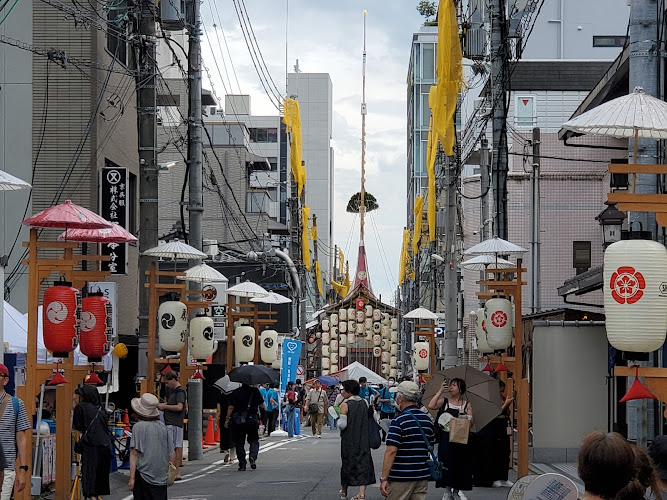
Reaching Kiyomizu-dera takes visitors through Ninenzaka and Sannenzaka, Kyoto’s most charming preserved pedestrian preservation streets. Lined with traditional wooden machiya townhouses, artisan pottery studios, folding fan shops, traditional green tea houses, and the world’s only tatami-mat Starbucks (housed in an authentic 100-year-old townhouse), walking these cobblestone steps while hearing the gentle clatter of wooden geta sandals is like stepping back into the Edo period.
Tickets, Pricing & Seasonal Night Illuminations
- Admission: ¥400 JPY (~$3 USD) for adults (¥200 JPY for elementary/junior high students). Tickets can be purchased at the turnstile entrance.
- Special Night Illuminations: Three times a year—during spring cherry blossom peak (late March to early April), summer (mid-August), and autumn maple season (mid-November to early December)—the temple opens for evening illuminations until 9:30 PM. A brilliant blue laser beam (representing Kannon’s mercy) shoots across the night sky over Kyoto, illuminating glowing crimson maples and the wooden stage.
Practical Visitor Details, Hours & Transit
- Address: 1-294 Kiyomizu, Higashiyama Ward, Kyoto 605-0862, Japan.
- Operating Hours: Gates open at 6:00 AM daily and close at 6:00 PM (extended to 6:30 PM in summer, and 9:30 PM during seasonal night illuminations).
- Transit: From Kyoto Station, take Kyoto City Bus 206 or 100 to Kiyomizu-michi or Gojo-zaka stop (15 minutes). From the bus stop, walk 10 minutes uphill along Matsubara Street to the Niomon entrance gate.
- Early Bird Tip: Entering at 6:00 AM when the wooden gates creak open offers total serenity, with morning monks chanting in the halls and zero tourist tour crowds.
Frequently Asked Questions
How much does it cost to enter Kiyomizu-dera?
General admission to the main hall, wooden stage, and Otowa Waterfall is ¥400 JPY (approximately $3 USD) for adults.
Was Kiyomizu-dera really built without nails?
Yes, the monumental 13-meter-high wooden stage and supporting scaffolding of 139 pillars were constructed entirely using interlocking Japanese mortise-and-tenon wood joinery without a single iron nail.
Can you drink from all three streams at Otowa Waterfall?
You should choose only one stream to drink from (health, studies, or love). Tradition states that drinking from all three shows greed and nullifies the blessings.
- The Otowa Waterfall (Otowa no Taki): Located at the base of the main cliff. Pure mountain spring water has flowed continuously here since the temple’s founding, giving Kiyomizu-dera its name (“Pure Water Temple”). The water cascades down into three separate stone channels. Visitors use long-handled metal cups to catch the falling water and drink. Each stream is said to grant a specific blessing: health and longevity, academic success in studies, or a fortunate love life. Etiquette rule: Drink from only one stream; drinking from all three is considered greedy and cancels out the blessing!
- Jishu Shrine (The Love Stones): Dedicated to Okuninushi, the Shinto deity of love and matchmaking. In the courtyard sit two ancient “love stones” placed 18 meters apart. Legend holds that if you can walk blindfolded from one stone to the other without veering off course, you will find true love. If you require assistance from a friend, you will need a matchmaker.
- Tainai Meguri (Entering the Womb): In the Zuigudo Hall near the entrance, pay 100 yen to descend a wooden staircase into a pitch-black subterranean corridor symbolizing the womb of Daizuigu Bosatsu. Feeling your way in total darkness along a banister of giant wooden prayer beads until you reach a softly glowing spinning stone is a deeply meditative experience.
The Historic Approach: Ninenzaka & Sannenzaka Lanes
Reaching Kiyomizu-dera takes visitors through Ninenzaka and Sannenzaka, Kyoto’s most charming preserved pedestrian preservation streets. Lined with traditional wooden machiya townhouses, artisan pottery studios, folding fan shops, traditional green tea houses, and the world’s only tatami-mat Starbucks (housed in an authentic 100-year-old townhouse), walking these cobblestone steps while hearing the gentle clatter of wooden geta sandals is like stepping back into the Edo period.
Tickets, Pricing & Seasonal Night Illuminations
- Admission: ¥400 JPY (~$3 USD) for adults (¥200 JPY for elementary/junior high students). Tickets can be purchased at the turnstile entrance.
- Special Night Illuminations: Three times a year—during spring cherry blossom peak (late March to early April), summer (mid-August), and autumn maple season (mid-November to early December)—the temple opens for evening illuminations until 9:30 PM. A brilliant blue laser beam (representing Kannon’s mercy) shoots across the night sky over Kyoto, illuminating glowing crimson maples and the wooden stage.
Practical Visitor Details, Hours & Transit
- Address: 1-294 Kiyomizu, Higashiyama Ward, Kyoto 605-0862, Japan.
- Operating Hours: Gates open at 6:00 AM daily and close at 6:00 PM (extended to 6:30 PM in summer, and 9:30 PM during seasonal night illuminations).
- Transit: From Kyoto Station, take Kyoto City Bus 206 or 100 to Kiyomizu-michi or Gojo-zaka stop (15 minutes). From the bus stop, walk 10 minutes uphill along Matsubara Street to the Niomon entrance gate.
- Early Bird Tip: Entering at 6:00 AM when the wooden gates creak open offers total serenity, with morning monks chanting in the halls and zero tourist tour crowds.
Frequently Asked Questions
How much does it cost to enter Kiyomizu-dera?
General admission to the main hall, wooden stage, and Otowa Waterfall is ¥400 JPY (approximately $3 USD) for adults.
Was Kiyomizu-dera really built without nails?
Yes, the monumental 13-meter-high wooden stage and supporting scaffolding of 139 pillars were constructed entirely using interlocking Japanese mortise-and-tenon wood joinery without a single iron nail.
Can you drink from all three streams at Otowa Waterfall?
You should choose only one stream to drink from (health, studies, or love). Tradition states that drinking from all three shows greed and nullifies the blessings.
- The Stage (Kiyomizu no Butai): Jutting out 13 meters (43 feet) over the cliffside, the veranda is supported by a lattice of 139 massive vertical pillar beams carved from centuries-old Keyaki (Japanese zelkova) trees. Master carpenters fitted the timber joints together using precision interlocking mortise-and-tenon joints (kigumi) without metal bolts or nails, designed to absorb and flex during earthquakes.
- The Famous Japanese Proverb: In Japanese culture, to make an audacious, life-altering decision is described as “jumping off the stage at Kiyomizu” (Kiyomizu no butai kara tobioriru). During the Edo period, a superstitious belief held that if a person jumped from the stage and survived, their prayer would be granted by Kannon (historical records show 234 people leaped between 1694 and 1864, with an 85% survival rate, before the practice was strictly outlawed in 1872!).
- The Okunoin Hall Viewpoint: To capture the classic postcard photograph of the wooden stage jutting into the lush valley with the city of Kyoto in the background, walk along the cliff path to the Okunoin Hall, which mirrors the Main Hall’s veranda.
Sacred Rituals: The Otowa Waterfall & Love Stones
Beneath the main hall, visitors take part in beloved local spiritual traditions:
- The Otowa Waterfall (Otowa no Taki): Located at the base of the main cliff. Pure mountain spring water has flowed continuously here since the temple’s founding, giving Kiyomizu-dera its name (“Pure Water Temple”). The water cascades down into three separate stone channels. Visitors use long-handled metal cups to catch the falling water and drink. Each stream is said to grant a specific blessing: health and longevity, academic success in studies, or a fortunate love life. Etiquette rule: Drink from only one stream; drinking from all three is considered greedy and cancels out the blessing!
- Jishu Shrine (The Love Stones): Dedicated to Okuninushi, the Shinto deity of love and matchmaking. In the courtyard sit two ancient “love stones” placed 18 meters apart. Legend holds that if you can walk blindfolded from one stone to the other without veering off course, you will find true love. If you require assistance from a friend, you will need a matchmaker.
- Tainai Meguri (Entering the Womb): In the Zuigudo Hall near the entrance, pay 100 yen to descend a wooden staircase into a pitch-black subterranean corridor symbolizing the womb of Daizuigu Bosatsu. Feeling your way in total darkness along a banister of giant wooden prayer beads until you reach a softly glowing spinning stone is a deeply meditative experience.
The Historic Approach: Ninenzaka & Sannenzaka Lanes
Reaching Kiyomizu-dera takes visitors through Ninenzaka and Sannenzaka, Kyoto’s most charming preserved pedestrian preservation streets. Lined with traditional wooden machiya townhouses, artisan pottery studios, folding fan shops, traditional green tea houses, and the world’s only tatami-mat Starbucks (housed in an authentic 100-year-old townhouse), walking these cobblestone steps while hearing the gentle clatter of wooden geta sandals is like stepping back into the Edo period.
Tickets, Pricing & Seasonal Night Illuminations
- Admission: ¥400 JPY (~$3 USD) for adults (¥200 JPY for elementary/junior high students). Tickets can be purchased at the turnstile entrance.
- Special Night Illuminations: Three times a year—during spring cherry blossom peak (late March to early April), summer (mid-August), and autumn maple season (mid-November to early December)—the temple opens for evening illuminations until 9:30 PM. A brilliant blue laser beam (representing Kannon’s mercy) shoots across the night sky over Kyoto, illuminating glowing crimson maples and the wooden stage.
Practical Visitor Details, Hours & Transit
- Address: 1-294 Kiyomizu, Higashiyama Ward, Kyoto 605-0862, Japan.
- Operating Hours: Gates open at 6:00 AM daily and close at 6:00 PM (extended to 6:30 PM in summer, and 9:30 PM during seasonal night illuminations).
- Transit: From Kyoto Station, take Kyoto City Bus 206 or 100 to Kiyomizu-michi or Gojo-zaka stop (15 minutes). From the bus stop, walk 10 minutes uphill along Matsubara Street to the Niomon entrance gate.
- Early Bird Tip: Entering at 6:00 AM when the wooden gates creak open offers total serenity, with morning monks chanting in the halls and zero tourist tour crowds.
Frequently Asked Questions
How much does it cost to enter Kiyomizu-dera?
General admission to the main hall, wooden stage, and Otowa Waterfall is ¥400 JPY (approximately $3 USD) for adults.
Was Kiyomizu-dera really built without nails?
Yes, the monumental 13-meter-high wooden stage and supporting scaffolding of 139 pillars were constructed entirely using interlocking Japanese mortise-and-tenon wood joinery without a single iron nail.
Can you drink from all three streams at Otowa Waterfall?
You should choose only one stream to drink from (health, studies, or love). Tradition states that drinking from all three shows greed and nullifies the blessings.
- The Stage (Kiyomizu no Butai): Jutting out 13 meters (43 feet) over the cliffside, the veranda is supported by a lattice of 139 massive vertical pillar beams carved from centuries-old Keyaki (Japanese zelkova) trees. Master carpenters fitted the timber joints together using precision interlocking mortise-and-tenon joints (kigumi) without metal bolts or nails, designed to absorb and flex during earthquakes.
- The Famous Japanese Proverb: In Japanese culture, to make an audacious, life-altering decision is described as “jumping off the stage at Kiyomizu” (Kiyomizu no butai kara tobioriru). During the Edo period, a superstitious belief held that if a person jumped from the stage and survived, their prayer would be granted by Kannon (historical records show 234 people leaped between 1694 and 1864, with an 85% survival rate, before the practice was strictly outlawed in 1872!).
- The Okunoin Hall Viewpoint: To capture the classic postcard photograph of the wooden stage jutting into the lush valley with the city of Kyoto in the background, walk along the cliff path to the Okunoin Hall, which mirrors the Main Hall’s veranda.
Sacred Rituals: The Otowa Waterfall & Love Stones
Beneath the main hall, visitors take part in beloved local spiritual traditions:
- The Otowa Waterfall (Otowa no Taki): Located at the base of the main cliff. Pure mountain spring water has flowed continuously here since the temple’s founding, giving Kiyomizu-dera its name (“Pure Water Temple”). The water cascades down into three separate stone channels. Visitors use long-handled metal cups to catch the falling water and drink. Each stream is said to grant a specific blessing: health and longevity, academic success in studies, or a fortunate love life. Etiquette rule: Drink from only one stream; drinking from all three is considered greedy and cancels out the blessing!
- Jishu Shrine (The Love Stones): Dedicated to Okuninushi, the Shinto deity of love and matchmaking. In the courtyard sit two ancient “love stones” placed 18 meters apart. Legend holds that if you can walk blindfolded from one stone to the other without veering off course, you will find true love. If you require assistance from a friend, you will need a matchmaker.
- Tainai Meguri (Entering the Womb): In the Zuigudo Hall near the entrance, pay 100 yen to descend a wooden staircase into a pitch-black subterranean corridor symbolizing the womb of Daizuigu Bosatsu. Feeling your way in total darkness along a banister of giant wooden prayer beads until you reach a softly glowing spinning stone is a deeply meditative experience.
The Historic Approach: Ninenzaka & Sannenzaka Lanes
Reaching Kiyomizu-dera takes visitors through Ninenzaka and Sannenzaka, Kyoto’s most charming preserved pedestrian preservation streets. Lined with traditional wooden machiya townhouses, artisan pottery studios, folding fan shops, traditional green tea houses, and the world’s only tatami-mat Starbucks (housed in an authentic 100-year-old townhouse), walking these cobblestone steps while hearing the gentle clatter of wooden geta sandals is like stepping back into the Edo period.
Tickets, Pricing & Seasonal Night Illuminations
- Admission: ¥400 JPY (~$3 USD) for adults (¥200 JPY for elementary/junior high students). Tickets can be purchased at the turnstile entrance.
- Special Night Illuminations: Three times a year—during spring cherry blossom peak (late March to early April), summer (mid-August), and autumn maple season (mid-November to early December)—the temple opens for evening illuminations until 9:30 PM. A brilliant blue laser beam (representing Kannon’s mercy) shoots across the night sky over Kyoto, illuminating glowing crimson maples and the wooden stage.
Practical Visitor Details, Hours & Transit
- Address: 1-294 Kiyomizu, Higashiyama Ward, Kyoto 605-0862, Japan.
- Operating Hours: Gates open at 6:00 AM daily and close at 6:00 PM (extended to 6:30 PM in summer, and 9:30 PM during seasonal night illuminations).
- Transit: From Kyoto Station, take Kyoto City Bus 206 or 100 to Kiyomizu-michi or Gojo-zaka stop (15 minutes). From the bus stop, walk 10 minutes uphill along Matsubara Street to the Niomon entrance gate.
- Early Bird Tip: Entering at 6:00 AM when the wooden gates creak open offers total serenity, with morning monks chanting in the halls and zero tourist tour crowds.
Frequently Asked Questions
How much does it cost to enter Kiyomizu-dera?
General admission to the main hall, wooden stage, and Otowa Waterfall is ¥400 JPY (approximately $3 USD) for adults.
Was Kiyomizu-dera really built without nails?
Yes, the monumental 13-meter-high wooden stage and supporting scaffolding of 139 pillars were constructed entirely using interlocking Japanese mortise-and-tenon wood joinery without a single iron nail.
Can you drink from all three streams at Otowa Waterfall?
You should choose only one stream to drink from (health, studies, or love). Tradition states that drinking from all three shows greed and nullifies the blessings.
Overview: Why Kiyomizu-dera Is Kyoto’s Most Celebrated Cliffside Temple
Kiyomizu-dera (Otowa-san Kiyomizu-dera / “Pure Water Temple”), commanding the wooded slopes of Mount Otowa in Kyoto’s historic Higashiyama district, is one of the most celebrated and spiritually revered Buddhist temples in Japan. Founded in 778 AD during the late Nara period by the Buddhist monk Kenshin and dedicated to the eleven-headed Senju Kannon (Bodhisattva of Compassion), the temple predates Kyoto becoming the imperial capital of Japan. Inscribed as a UNESCO World Heritage site in 1994 as part of the Historic Monuments of Ancient Kyoto, it welcomes millions of international travelers each year.
Rebuilt in 1633 under the patronage of the third Tokugawa shogun, Iemitsu, after suffering numerous historical fires, the temple is world-famous for its monumental Main Hall (Hondo). Cantilevered daringly over the hillside on a colossal wooden scaffolding constructed entirely without the use of a single iron nail, the temple veranda commands sweeping vistas over cherry blossoms, fiery red Japanese maples, and the historic Kyoto cityscape.
Architectural Feat: The Wooden Stage Built Without Nails
The engineering of the Main Hall stage is a masterpiece of traditional Japanese joinery:
- The Stage (Kiyomizu no Butai): Jutting out 13 meters (43 feet) over the cliffside, the veranda is supported by a lattice of 139 massive vertical pillar beams carved from centuries-old Keyaki (Japanese zelkova) trees. Master carpenters fitted the timber joints together using precision interlocking mortise-and-tenon joints (kigumi) without metal bolts or nails, designed to absorb and flex during earthquakes.
- The Famous Japanese Proverb: In Japanese culture, to make an audacious, life-altering decision is described as “jumping off the stage at Kiyomizu” (Kiyomizu no butai kara tobioriru). During the Edo period, a superstitious belief held that if a person jumped from the stage and survived, their prayer would be granted by Kannon (historical records show 234 people leaped between 1694 and 1864, with an 85% survival rate, before the practice was strictly outlawed in 1872!).
- The Okunoin Hall Viewpoint: To capture the classic postcard photograph of the wooden stage jutting into the lush valley with the city of Kyoto in the background, walk along the cliff path to the Okunoin Hall, which mirrors the Main Hall’s veranda.
Sacred Rituals: The Otowa Waterfall & Love Stones
Beneath the main hall, visitors take part in beloved local spiritual traditions:
- The Otowa Waterfall (Otowa no Taki): Located at the base of the main cliff. Pure mountain spring water has flowed continuously here since the temple’s founding, giving Kiyomizu-dera its name (“Pure Water Temple”). The water cascades down into three separate stone channels. Visitors use long-handled metal cups to catch the falling water and drink. Each stream is said to grant a specific blessing: health and longevity, academic success in studies, or a fortunate love life. Etiquette rule: Drink from only one stream; drinking from all three is considered greedy and cancels out the blessing!
- Jishu Shrine (The Love Stones): Dedicated to Okuninushi, the Shinto deity of love and matchmaking. In the courtyard sit two ancient “love stones” placed 18 meters apart. Legend holds that if you can walk blindfolded from one stone to the other without veering off course, you will find true love. If you require assistance from a friend, you will need a matchmaker.
- Tainai Meguri (Entering the Womb): In the Zuigudo Hall near the entrance, pay 100 yen to descend a wooden staircase into a pitch-black subterranean corridor symbolizing the womb of Daizuigu Bosatsu. Feeling your way in total darkness along a banister of giant wooden prayer beads until you reach a softly glowing spinning stone is a deeply meditative experience.
The Historic Approach: Ninenzaka & Sannenzaka Lanes
Reaching Kiyomizu-dera takes visitors through Ninenzaka and Sannenzaka, Kyoto’s most charming preserved pedestrian preservation streets. Lined with traditional wooden machiya townhouses, artisan pottery studios, folding fan shops, traditional green tea houses, and the world’s only tatami-mat Starbucks (housed in an authentic 100-year-old townhouse), walking these cobblestone steps while hearing the gentle clatter of wooden geta sandals is like stepping back into the Edo period.
Tickets, Pricing & Seasonal Night Illuminations
- Admission: ¥400 JPY (~$3 USD) for adults (¥200 JPY for elementary/junior high students). Tickets can be purchased at the turnstile entrance.
- Special Night Illuminations: Three times a year—during spring cherry blossom peak (late March to early April), summer (mid-August), and autumn maple season (mid-November to early December)—the temple opens for evening illuminations until 9:30 PM. A brilliant blue laser beam (representing Kannon’s mercy) shoots across the night sky over Kyoto, illuminating glowing crimson maples and the wooden stage.
Practical Visitor Details, Hours & Transit
- Address: 1-294 Kiyomizu, Higashiyama Ward, Kyoto 605-0862, Japan.
- Operating Hours: Gates open at 6:00 AM daily and close at 6:00 PM (extended to 6:30 PM in summer, and 9:30 PM during seasonal night illuminations).
- Transit: From Kyoto Station, take Kyoto City Bus 206 or 100 to Kiyomizu-michi or Gojo-zaka stop (15 minutes). From the bus stop, walk 10 minutes uphill along Matsubara Street to the Niomon entrance gate.
- Early Bird Tip: Entering at 6:00 AM when the wooden gates creak open offers total serenity, with morning monks chanting in the halls and zero tourist tour crowds.
Frequently Asked Questions
How much does it cost to enter Kiyomizu-dera?
General admission to the main hall, wooden stage, and Otowa Waterfall is ¥400 JPY (approximately $3 USD) for adults.
Was Kiyomizu-dera really built without nails?
Yes, the monumental 13-meter-high wooden stage and supporting scaffolding of 139 pillars were constructed entirely using interlocking Japanese mortise-and-tenon wood joinery without a single iron nail.
Can you drink from all three streams at Otowa Waterfall?
You should choose only one stream to drink from (health, studies, or love). Tradition states that drinking from all three shows greed and nullifies the blessings.