
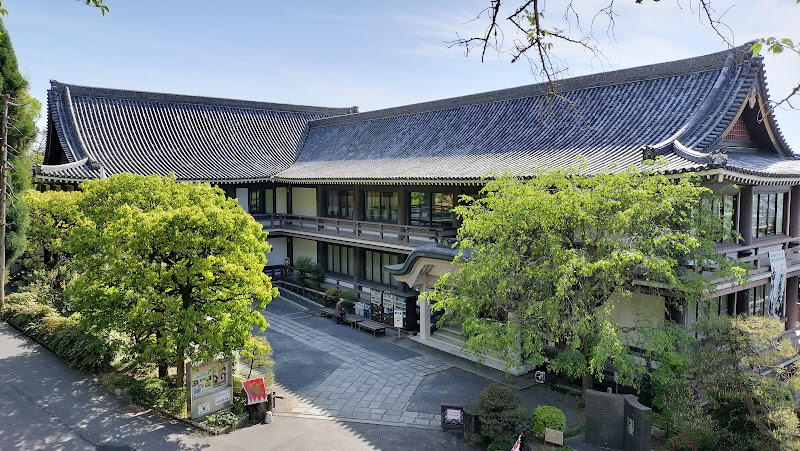
Ryozen Museum (霊山歴史館, Ryozen Rekishikan) is a history museum at 1 Seikanji Ryozancho, Higashiyama Ward, Kyoto 605-0861, on the wooded slope of the Higashiyama hills beside Ryozen Kannon and the Ryozen Gokoku Shrine cemetery. It is Japan’s dedicated museum of the Bakumatsu and Meiji Restoration era, the turbulent years of the 1850s and 1860s when the Tokugawa shogunate collapsed. Run by the Ryozen Kenshokai foundation, it draws history readers, school groups, and anyone tracing the footsteps of Sakamoto Ryoma and the Shinsengumi in Kyoto.
What to Expect at Ryozen Museum
The museum is organized around two exhibit zones. The permanent exhibition presents the end of the shogunate from both sides of the conflict, with the Imperial loyalists who sought to overthrow the shogunate shown alongside the pro-shogunate (sabaku) forces. Kyoto was where both camps operated, and the museum builds on that fact by displaying original documents, letters, and personal effects. The main focus areas are Sakamoto Ryoma and the Shinsengumi and shogunate-related materials, drawn from a collection of rare Bakumatsu-era historical records.
The second zone is the special exhibition space, where curators take a fresh angle on a person or period and bring out items not seen in the permanent displays. A recent program, “Sakamoto Ryoma and the Satsuma-Choshu Alliance,” examined how newer scholarship has revised the long-held view that the 1866 alliance was a military pact, and reassessed Ryoma’s role in the “three great achievements” traditionally credited to him. Four special exhibitions are scheduled each year, and the museum also hosts lectures, guided walks, and its annual Ryoma Festival events. The museum shop sells publications and original goods, and the mascot character Ryotan appears on museum materials and videos.
- Sakamoto Ryoma collection: Letters and artifacts tied to the Tosa samurai who brokered the Satsuma-Choshu relationship and helped pave the way for the Restoration.
- Shinsengumi and shogunate materials: Documents and objects from the swordsmen who policed Kyoto for the shogunate, including woodblock portraits such as the nishiki-e print of Kondo Isami.
- Dual-perspective permanent exhibit: Loyalist and shogunate viewpoints displayed side by side, an unusual approach for Restoration-era museums.
- Curator mini-lecture videos: Short explainer films on subjects such as Shibusawa Eiichi’s relationship chart, available through the museum’s video library.
- Museum shop and publications: Books, original goods, and the foundation’s own periodical, useful for readers who want to continue the topic at home.
Ryozen Museum at a Glance
| Detail | Information |
|---|---|
| Address | 1 Seikanji Ryozancho, Higashiyama Ward, Kyoto 605-0861, Japan |
| Neighborhood / Area | Higashiyama, near Kiyomizu-dera and Ryozen Kannon |
| Operating Hours | Tuesday to Sunday 10:00 AM to 5:30 PM; closed Mondays |
| Admission / Price Range | Paid admission ($$); members of the museum’s Friends Association enter free. See the official site for current ticket prices and special-exhibition rates. |
| Recommended Visit Duration | 1 to 1.5 hours |
| Nearest Transit / Parking | City bus 206 from Kyoto Station to Kiyomizu-michi or Higashiyama-Yasui, then about a 7-minute walk |
| Official Website & Phone | ryozen-museum.or.jp | +81 75-531-3773 |
Visiting Tips, Getting There & Nearby Pairings
From Kyoto Station, JR, Kintetsu, and subway riders take the city bus from stop D2 on the Higashiyama-mawari Route 206 and get off at Kiyomizu-michi or Higashiyama-Yasui; the museum is roughly a 7-minute walk from either stop, with the final approach climbing a gentle slope. The official access page lists the same route, so check it before you travel in case of timetable changes. Go on a weekday morning to have the galleries mostly to yourself, since school trips visit through the spring and autumn travel seasons and the museum publishes a dedicated page for school groups. Most of the exhibit text is in Japanese, so a translation app or the museum’s English page is useful, and the museum’s own signage and downloadable resources help orient overseas visitors. Because the hillside approach has some slope, visitors who use wheelchairs or strollers should call ahead on +81 75-531-3773 to confirm the best entrance and elevator access.
The museum sits right next to the graves of Ryoma Sakamoto and Nakaoka Shintaro at Ryozen Gokoku Shrine, so pair the visit with a short walk to the memorial to put the artifacts in context. Kiyomizu-dera, Sannenzaka, and Ninenzaka lie within about a 10 to 15 minute walk and offer tea houses and craft shops for a late-afternoon stop, while the Yasaka Shrine area and Gion are a short bus ride or longer walk away.
Frequently Asked Questions
What are the opening hours of Ryozen Museum?
The museum is open Tuesday through Sunday from 10:00 AM to 5:30 PM and closed on Mondays. Weekday mornings tend to be the quietest, while school groups appear most often in spring and autumn. Check the official calendar for holiday and exhibition-change closures.
How much does it cost to enter, and do I need to book?
Admission is charged, and the price level is moderate ($$); current ticket prices are listed on the official website. Individual visitors do not need to reserve, though groups should use the museum’s group booking page. Members of the Friends Association (Tomo no Kai) enter free and can bring a companion at a 100-yen discount.
How long should I plan for a visit?
Allow 1 to 1.5 hours to see the permanent exhibit and the current special exhibition. History enthusiasts who read the document displays closely, or who add a lecture or the nearby Ryozen Gokoku Shrine graves, can stretch this to two hours.
Is the museum suitable for families and international visitors?
Yes, school-age children and families are a regular audience, and the museum offers a dedicated page for school trips. Most displays are labeled in Japanese, so overseas visitors benefit from a translation app or the English page. Call ahead for mobility access questions given the hillside approach.
When planning your Kyoto travel guide or comparing verified attractions and museums in Kyoto, pair this stop with standout local spots including Funaokayama Park, Khaos Spice Diner, Genhouin, and Park Hyatt Kyoto (0.1 km away).


