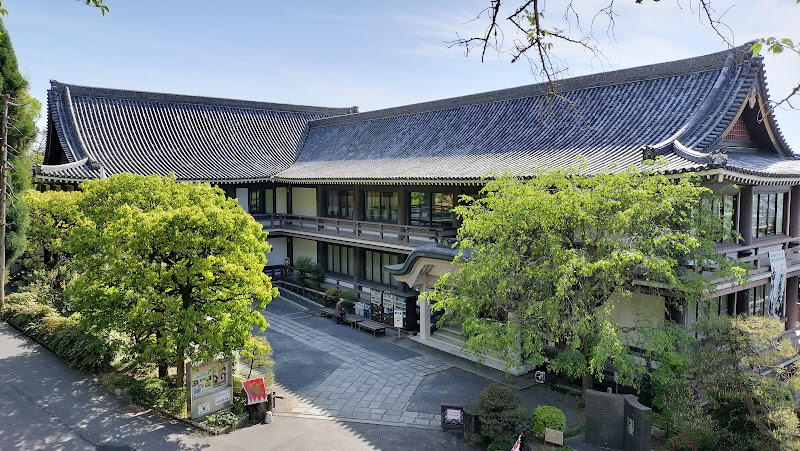
Daimaru Kyōto is the big, old-school department store on Shijō-dōri at Takakura, in the Tachiuri Nishimachi block of Shimogyō Ward. The company dates its roots to 1717, and the store has stood on this site since 1912. It sits right above Karasuma Station and Hankyū’s underground concourse, so it works as a gateway to the downtown grid as much as a shop. Floors run from international cosmetics and boutique fashion up to restaurants, with a rooftop terrace above.
Most visitors come for the basement food hall, which gathers long-established Kyoto confectioners, prepared-food counters and seasonal fairs under one ceiling. It is calmer and more orderly than Nishiki Market, and everything is packed to travel. Entry is free, so the only real cost is what you buy or eat. The reviewers who rate it around 4 stars mostly say the same thing: come hungry and leave with a bag of sweets. If you are looking for the other Daimaru, note that Fujii Daimaru on Shijō-Teramachi is a different store.
Standout Highlights & What Not to Miss
Start underground and work upward. The best finds are concentrated in a few spots, and the layout rewards a deliberate route rather than aimless browsing.
- Basement wagashi and confectionery counters: Kyoto names such as Shōgoin Yatsuhashi, Tsuruya Yoshinobu and Tawaraya Yoshitomi (known for monaka) sell boxed sweets that make easy gifts. Fresh wagashi are best eaten the same day, so ask about shelf life before you buy.
- Prepared foods and bento: Sushi, sashimi and deli counters are a handy way to assemble a picnic or hotel dinner. Staff add small ice packs to fragile fish if you are carrying it for a while.
- Seasonal fairs such as the Hokkaido product fair: Regional events rotate through the event spaces, and the Hokkaido fair is one reviewers single out. Check the store’s event calendar before you go.
- Western confectionery and bakery counters: Cakes, baked sweets and chocolate from well-known patisseries sit alongside the Japanese sweets, so mixed gift boxes are easy to assemble.
- Restaurant floor and Manga Wall: The restaurant level was renovated in September 2023, its first major overhaul in about 50 years. It added new openings and a wall of roughly 3,000 food-themed manga volumes you can read freely.
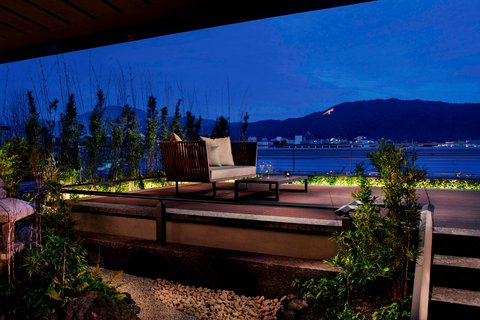
- KOTOHOT Terrace on the roof: A renovated plaza with modular wooden furniture. It is a pleasant place to eat what you bought downstairs, weather permitting. The building is entirely non-smoking, including the rooftop.
Visitor Strategy & Planning Snapshot
| Planning Factor | What to Expect | Practical Strategy |
|---|---|---|
| Ideal Arrival Window | The food hall is busiest around lunch, in the late afternoon commute and on weekends. | Arrive shortly after opening on a weekday for full display cases and easy browsing. Popular sweets can sell out later in the day. |
| Typical Time Needed | 45 to 90 minutes for the basement alone; two to three hours with a meal and upper floors. | Do the basement first, then decide whether the fashion floors or the restaurant level earn more of your time. |
| Booking / Queue Reality | No tickets or reservations for entry. Some famous counters form short lines, and restaurants can fill at mealtimes. | For a sit-down meal at peak hours, arrive early or aim for off-peak times. Check each restaurant’s own booking policy. |
| Terrain & Accessibility | Fully indoors with elevators and escalators. Wheelchair-accessible entrance, parking and restrooms are listed. | Aisles in the food hall get crowded, so a quieter weekday visit is easier with a wheelchair or stroller. Use the 8th-floor International Customer Counter for help and tax-free procedures. |
| Weather / Seasonal Fit | Air-conditioned in Kyoto’s humid summers and heated in winter. The rooftop depends on the weather. | A strong rainy-day or heat-wave stop. Save the terrace for mild days and carry cold items home promptly in summer. |
Honest Trade-Offs: Best For vs. Who Might Skip
Daimaru suits travelers who want edible souvenirs from reputable Kyoto names without hunting across town, anyone assembling a quick picnic or hotel dinner, and shoppers who like to browse cosmetics and Japanese fashion in a conventional, air-conditioned setting. Tax-free counters and multilingual pamphlets make it manageable for visitors. It also pairs well with a rainy afternoon.
It is less compelling if you want a distinctive, only-in-Kyoto shopping scene. Some reviewers find the brand-by-brand layout makes browsing fashion harder than in a typical Western store. Food hall prices reflect quality and packaging, so bargain hunters will do better at supermarkets. If you only have time for temples and gardens, a short basement stop is plenty, and the upper floors can be skipped.
Neighborhood Context & How to Pair Your Visit
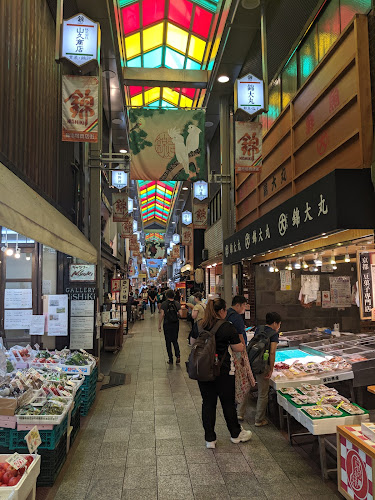
Daimaru sits at the western end of the Shijō shopping stretch, a short walk from Nishiki Market’s west end. A sensible half-day starts at Nishiki Market for street snacks and pickles, then continues west to Daimaru to compare the more polished department-store versions of the same foods. From there, you can walk east along Shijō-dōri to Takashimaya near Kawaramachi, roughly ten minutes away, for a second food hall, then continue to Teramachi and Shinkyōgoku arcades. Because the store is connected to Karasuma Station, it also makes a convenient last stop for a dinner on the restaurant floor or a bag of sweets before heading back to your hotel or to Kyoto Station.
When planning your Kyoto travel guide or comparing verified restaurants and gift shop in Kyoto, pair this stop with standout local spots including Hotel Granvia Kyoto, The National Museum of Modern Art, Kyoto, Itoh Dining, and Misayama Park (0.2 km away).