Editorial disclosure: This destinations.ai guide was prepared with AI assistance and checked against the official sources linked below. Some hotel and tour links on this page may earn an affiliate commission at no extra cost to you; our editorial recommendations remain independent.
Quick Trip-Planning Snapshot
Lalibela rewards a slow, three-night approach: two full days for the rock-hewn church clusters, plus a buffer for the flight-dependent journey from Addis Ababa. The town is compact and hilly at roughly 2,500 metres, so you will walk almost everywhere, with bajaj (three-wheeler) rides filling the gaps. Book flights and rooms early for Genna (Ethiopian Christmas) and Timkat in January, and check the current security advisory for Amhara region before committing to any overland travel.
- Best Base for First-Timers: Stay within walking distance of the main church complex in the town centre, so you can visit the northern cluster early and return for a midday rest at altitude.
- Getting Around: Fly into Lalibela Airport from Addis Ababa, then take a pre-arranged transfer, as the airport sits well outside town. Inside Lalibela, walk the church clusters and use bajaj for the airport run and outlying sites such as Yemrehanna Kristos or Asheton Maryam.
- Peak vs. Value Windows: Peak demand falls in the dry season and around the January festivals, while the green, rainy months of July and August bring thinner crowds and lower prices but muddy, slippery stone floors.
- Top Insider Tip: Arrive at the churches at dawn, when priests hold morning prayers and tour groups have not yet arrived, and carry socks and easy slip-off shoes, since you remove footwear at every entrance.
Overview: Why Visit Lalibela
Lalibela, situated at an altitude of 2,500 meters (8,200 feet) in the Lasta Mountains of northern Ethiopia’s Amhara Region, is one of the world’s most sacred pilgrimage sites and a UNESCO World Heritage treasure. Conceived in the late 12th and 13th centuries by King Gebre Mesqel Lalibela as a “New Jerusalem” following Muslim conquests of the Holy Land, the town is celebrated for its 11 medieval monolithic and semi-monolithic rock-hewn Christian churches.
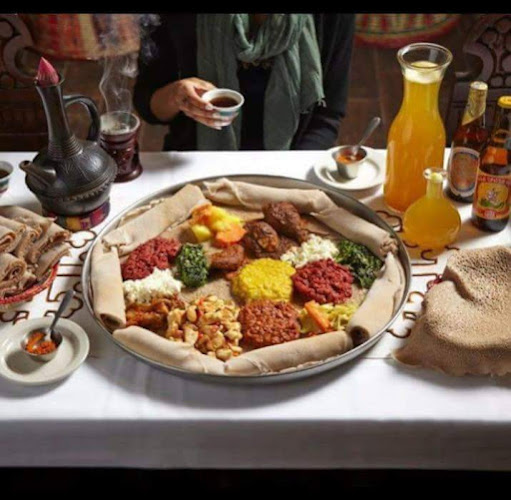
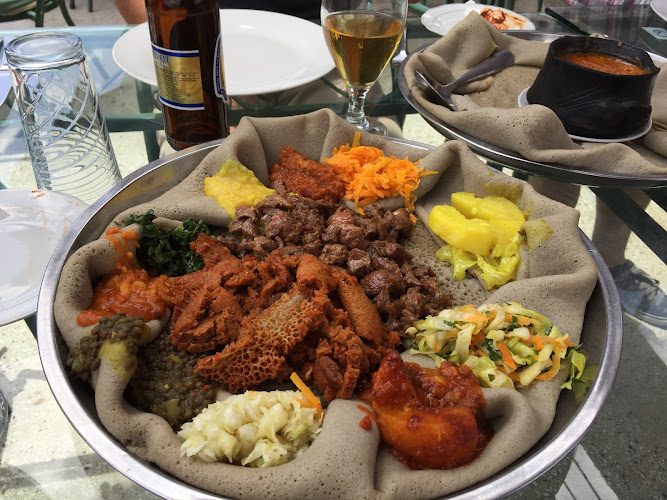
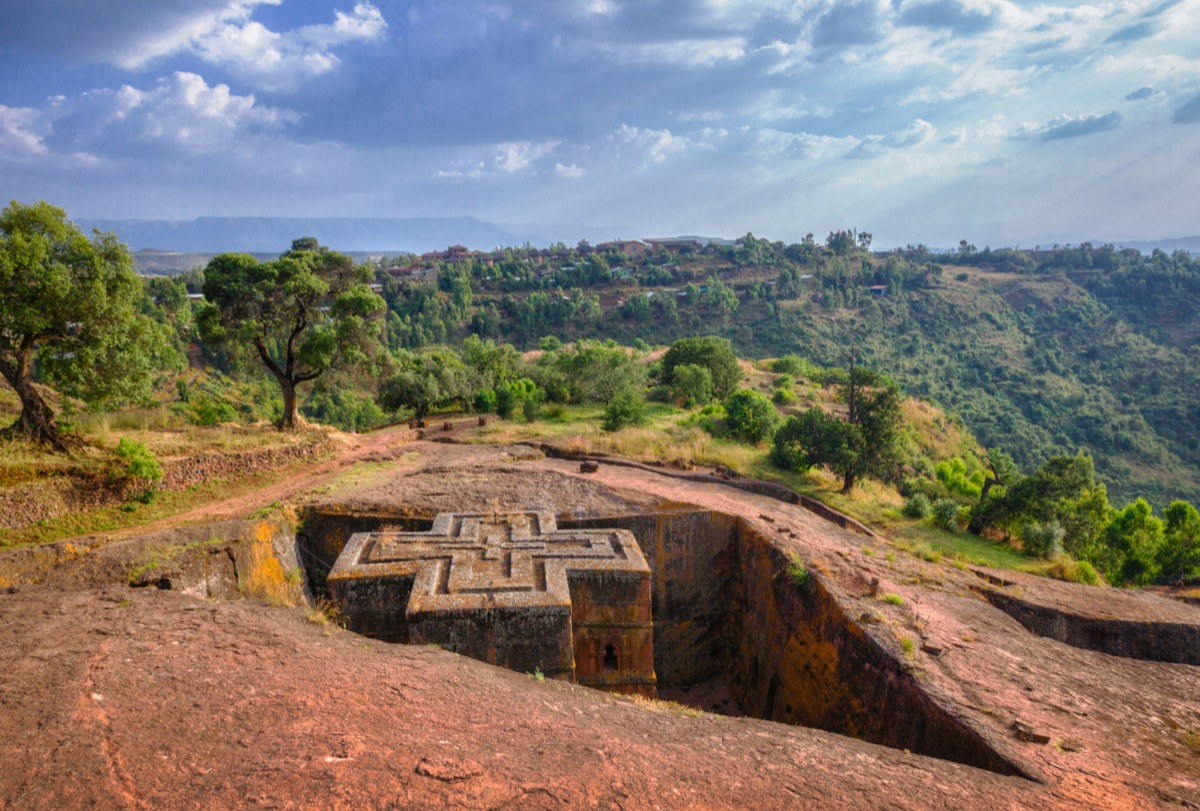
Major highlights include descending into the deep volcanic rock trench surrounding the cruciform Greek-cross monolith of Biete Giyorgis (Church of Saint George), exploring the world’s largest monolithic rock-hewn church at Biete Medhane Alem, traversing dark subterranean rock tunnels, witnessing thousands of white-robed pilgrims during Genna (Ethiopian Christmas) and Timkat (Epiphany), and dining on sourdough injera and spicy doro wat with traditional honey wine (tej).
Best Time to Visit Lalibela
Quick answer: Dry & Pilgrimage Season (October to March): The premier travel window. Daytime temperatures average 21°C to 25°C (70°F to 77°F) under dry, sunny skies with cool mountain nights (8°C to 11°C / 46°F to 52°F). Peak cultural experiences coincide with major Ethiopian Orthodox Christian festivals: Genna (Christmas on January 7) and Timkat (Epiphany on January 19), drawing thousands of chanting priests and white-robed pilgrims.
- Dry & Pilgrimage Season (October to March): The premier travel window. Daytime temperatures average 21°C to 25°C (70°F to 77°F) under dry, sunny skies with cool mountain nights (8°C to 11°C / 46°F to 52°F). Peak cultural experiences coincide with major Ethiopian Orthodox Christian festivals: Genna (Christmas on January 7) and Timkat (Epiphany on January 19), drawing thousands of chanting priests and white-robed pilgrims.
- Shoulder Season (April to May): Pleasant spring conditions with mild temperatures and uncrowded church compounds. Orthodox Easter (*Fasika*) in April or May features profound nighttime candle-lit vigils.
- Rainy Season (June to September): Heavy highland monsoon rains (Kiremt). While rain turns the surrounding Lasta mountain terraces emerald green, rock-carved steps and trench pathways become slick and muddy.
Key Rock-Hewn Churches & Monolithic Sights
Quick answer: Biete Giyorgis (Church of Saint George): The undisputed architectural crown jewel of Lalibela, carved in isolation out of solid red volcanic scoria rock in the shape of a perfect Greek cross inside a 12-meter-deep trench. A narrow sloping rock trench provides access to the church interior, housing 800-year-old carved wooden altars, ancient parchment bibles, and the legendary 13th-century Saint George’s horse hoofprint.
- Biete Giyorgis (Church of Saint George): The undisputed architectural crown jewel of Lalibela, carved in isolation out of solid red volcanic scoria rock in the shape of a perfect Greek cross inside a 12-meter-deep trench. A narrow sloping rock trench provides access to the church interior, housing 800-year-old carved wooden altars, ancient parchment bibles, and the legendary 13th-century Saint George’s horse hoofprint.
- Northern Group of Churches: Includes Biete Medhane Alem (House of the Savior of the World), the largest rock-hewn monolithic church in the world (measuring 33 meters long, 23 meters wide, and 11 meters high, supported by 72 external columns and housing the sacred golden Lalibela Cross). Connected by rock trenches to Biete Maryam (House of Mary, famed for intricate bas-relief ceiling frescoes and Star of David motifs) and Biete Golgotha Mikael (housing King Lalibela’s tomb).
- Southeastern Group of Churches: Interconnected by a complex network of rock tunnels, dark passages (such as the 50-meter unlit “Tunnel to Hell and Heaven”), and defensive moats. Highlights include Biete Amanuel (finely carved in ancient Aksumite stepped architectural style) and the semi-monolithic Biete Abba Libanos, carved into the vertical face of a cliff with only its roof and floor attached to the living rock.
- Asheton Maryam Monastery Hike: A scenic 3-hour round-trip mountain hike (or horseback trek) ascending from Lalibela to an altitude of 3,100 meters on Mount Abuna Yosef, reaching a 13th-century cliffside rock-cut monastery with panoramic vistas across the Lasta mountain range.
- Yemrehana Krestos Church (Day Trip): Located 40 kilometers northeast of Lalibela. Built inside a massive natural basalt cave by King Yemrehana Krestos (predating Lalibela by 80 years), constructed from alternating layers of white gypsum stone and dark cedar wood in classical Aksumite style, housing thousands of preserved skeletal remains of medieval pilgrims.
- Traditional Tej Houses (Azmari Bets): Spend an evening in a traditional local tavern sipping golden honey wine (tej) from round-bottomed glass flasks (*bereles*) while acoustic Azmari musicians improvise humorous, poetic songs accompanied by the one-stringed masenqo lute.
Suggested 3-Day Lalibela Itinerary
Quick answer: Day 1: Northern Church Group & Biete Giyorgis at Sunset. Arrive via morning flight into Lalibela Airport. Settle into your hotel and meet an authorized local Orthodox historian guide. Spend your morning touring the Northern Group, marveling at Biete Medhane Alem and the frescoes of Biete Maryam. In the late afternoon, walk to Biete Giyorgis to photograph the iconic Greek cross carved into the stone at golden hour.
- Day 1: Northern Church Group & Biete Giyorgis at Sunset. Arrive via morning flight into Lalibela Airport. Settle into your hotel and meet an authorized local Orthodox historian guide. Spend your morning touring the Northern Group, marveling at Biete Medhane Alem and the frescoes of Biete Maryam. In the late afternoon, walk to Biete Giyorgis to photograph the iconic Greek cross carved into the stone at golden hour.
- Day 2: Southeastern Churches & Asheton Maryam Mountain Trek. Spend your morning exploring the Southeastern Group, navigating the subterranean tunnels to Biete Amanuel and Biete Abba Libanos. In the afternoon, hike or take mules up to the high-altitude monastery of Asheton Maryam for mountain views. In the evening, visit an Azmari Bet for live masenqo music and Tej.
- Day 3: Yemrehana Krestos Cave Church & Departure. Take a morning 4WD excursion through rural mountain valleys to visit the built-in-cave church of Yemrehana Krestos. Return to town for a traditional Ethiopian coffee ceremony before transferring to Lalibela Airport for your flight back to Addis Ababa.
Highland Ethiopian Gastronomy & Coffee Ceremony
Quick answer: Injera: The national sourdough spongy flatbread made from fermented gluten-free teff grain, serving as the edible platter and eating utensil for communal stews.
- Injera: The national sourdough spongy flatbread made from fermented gluten-free teff grain, serving as the edible platter and eating utensil for communal stews.
- Doro Wat: Ethiopia’s most celebrated feast dish. Slow-simmered spicy chicken drumsticks and hard-boiled eggs in a deep crimson gravy made from *berbere* spice blend (chili, garlic, ginger, rue, and fenugreek) and clarified spiced butter (*niter kibbeh*).
- Shiro & Misir Wat (Vegetarian/Fasting Dishes): Silky puree of seasoned powdered chickpeas and broad beans, alongside spicy red lentil stews, staple dishes on Orthodox fasting days (Wednesdays and Fridays).
- Traditional Ethiopian Coffee Ceremony (Buna): An elaborate social hospitality ritual. Raw green coffee beans are washed, freshly roasted over hot coals, ground with a pestle, and brewed three consecutive rounds (*Abol*, *Tona*, *Baraka*) in a clay *jebena* pot, served in small handleless cups with burning frankincense and popcorn.
Practical Travel Tips, Safety Advisory & Budget
Seasonal Timing, Crowd & Pacing Matrix
| Season / Months | Weather & Crowd Reality | Standout Experiences | Planning Strategy |
|---|---|---|---|
| Main Dry Season (October-February) | Clear skies, cool mornings and chilly nights; the busiest period, with peaks around Genna and Timkat | Genna and Timkat pilgrimages, white-robed worshippers, strong light for photography | Book flights and lodging months ahead, expect higher rates and plan around festival crowds |
| Late Dry Season (March-May) | Warmer, drier and dustier, with moderate visitor numbers and good access | Comfortable church touring, countryside monastery trips, Easter observances in the Orthodox calendar | A strong balance of reliability and value; start early to avoid midday heat on stone |
| Main Rainy Season (June-August) | Frequent showers, green terraces and fewer travellers; paths and church floors can be slick | Verdant landscapes, quiet interiors and more unhurried time with priests | Bring waterproofs and grippy shoes, and build slack into flight schedules for weather delays |
| Post-Rains Shoulder (September-early October) | Lush scenery, clearing skies and rising crowds as the dry season approaches | Meskel season celebrations, green highland views and gentler hiking | Often the sweet spot for scenery and availability; book ahead as October fills up |
Most visitors reach Lalibela by domestic flight from Addis Ababa on Ethiopian Airlines, then transfer by pre-arranged vehicle or bajaj into town; overland routes are long, rough and subject to regional security conditions, so verify current government travel advisories before considering them. Once in town, walk between the northern and southern church groups, hire an official local guide for context, and pace sightseeing in short morning and late-afternoon blocks to cope with altitude and midday sun.
Quick answer: Safety & Travel Advisory Context: Travelers should monitor official embassy travel advisories regarding the Amhara Region prior to traveling. While Lalibela’s historic church circuit receives domestic flights and religious pilgrimages, independent overland road travel across regional highways should be avoided; always fly directly between Addis Ababa (ADD) and Lalibela Airport (LLI) via Ethiopian Airlines . Secure comprehensive medical travel insurance with evacuation coverage.
- Safety & Travel Advisory Context: Travelers should monitor official embassy travel advisories regarding the Amhara Region prior to traveling. While Lalibela’s historic church circuit receives domestic flights and religious pilgrimages, independent overland road travel across regional highways should be avoided; always fly directly between Addis Ababa (ADD) and Lalibela Airport (LLI) via Ethiopian Airlines. Secure comprehensive medical travel insurance with evacuation coverage.
- Church Admission Fee & Guides:
- Universal Church Entry Ticket: $50 USD (valid for 4 consecutive days, covering all 11 churches, purchased at the central church ticket office).
- Hiring an official, licensed local guide ($30–$50 USD/day) is essential for unlocking specific church doors, understanding ancient Ge’ez iconography, and navigating tunnel passages.
- Slip-on shoes and clean socks are recommended, as shoes must be removed before entering every church compound.
- Daily Budget Breakdown:
- Budget traveler: $35–$60 USD (3,500–6,000 ETB)/day (guesthouse in Lalibela town, local injera meals, church entry pass amortized, shared walking).
- Mid-range traveler: $90–$180 USD (9,000–18,000 ETB)/day (3-star mountain-view hotel like Mezena Lodge or Panoramic View Hotel, licensed private guide, private 4WD to Yemrehana Krestos, sit-down dinners with tej).
- Luxury traveler: $300–$750+ USD (30,000–75,000+ ETB)/day (upscale suite at Sora Lodge Lalibela, private chauffeured 4WD, private senior clerical historian guide).
Frequently Asked Questions
How were the churches of Lalibela built?
The churches were not constructed with stone blocks or mortar; rather, they were carved top-down directly out of single blocks of solid volcanic scoria bedrock using chisels, hammers, and picks in the 12th and 13th centuries under King Lalibela.
How do you reach Lalibela from Addis Ababa?
The safest and most reliable way to reach Lalibela is via daily scheduled 1-hour domestic flights on Ethiopian Airlines from Addis Ababa Bole International Airport (ADD) directly to Lalibela Airport (LLI), followed by a 25-minute hotel shuttle ride into town.
What is the significance of the Genna festival in Lalibela?
Genna (Ethiopian Orthodox Christmas, celebrated on January 7) is one of Africa’s most spectacular religious gatherings. Over 50,000 pilgrims clad in white cotton shawls (*netelas*) gather around the rock-hewn churches for all-night candlelight chants, drumming, and mass.
Affiliate placeholder: Compare accommodation options after checking the official property details, location, and cancellation terms.
Affiliate placeholder: Check current activity availability, meeting points, accessibility, and cancellation terms before reserving.
Sources and current planning links
Explore more destinations.ai travel guides when building a longer route.
For a longer regional route, compare Cairo, Cape Town, Johannesburg, Zanzibar, Serengeti National Park with this destination before finalizing your itinerary.
Explore Lalibela by Category: Discover top curated spots across Lalibela Attractions & Sightseeing, Best Places to Stay in Lalibela, Lalibela Restaurants & Dining, Lalibela Lodge, Lalibela Ethiopian restaurant.
Where to Stay: Neighborhood Trade-Off Matrix
Neighborhood / Area Best For Vibe & Walkability Key Trade-Off Town Centre near the Northwestern Church Group First-timers wanting dawn access to Bete Medhane Alem and Bete Maryam Lively, compact, fully walkable, with cafes and injera restaurants close by Steep, uneven lanes and some street noise, especially during festivals Near Bete Giyorgis (Southern Group) Photographers and travellers prioritising the cross-shaped St George church Quieter and more residential, with short walks to the southeastern cluster Fewer dining choices and a longer uphill return to the main square Hillside Lodges with Valley Views Couples and those seeking sunset views over the highland escarpment Peaceful and scenic, but you will usually rely on short bajaj or lodge shuttles Higher prices and less spontaneous evening wandering Main Road / Bus Stop Area Budget travellers and those arriving by road Practical and busy, with shops, transport and basic guesthouses Basic facilities, variable water and power, and less atmosphere Airport Road Corridor Travellers on tight flight connections Spread out with little foot traffic and limited nightlife Most transfers need a vehicle, which cuts into the sunrise advantage Outlying Countryside Stays (Asheton Maryam / Yemrehanna Kristos direction) Hikers, mule trekkers and monastery-focused travellers Rural and remote, with simple lodging and big landscapes Limited services, longer logistics and dependence on local guides Choose the town centre if this is your first visit and you want maximum time inside the churches with minimal transport. Pick the Bete Giyorgis side or a hillside lodge if quiet and views matter more than restaurant access, and reserve countryside stays for a longer trip with a guide. Whatever you select, confirm power, hot water and altitude-friendly bedding, as services in Lalibela can be inconsistent.
Explore Lalibela by Category
- Hotels in Lalibela (13)
- Restaurants in Lalibela (11)
- Lodge in Lalibela (7)
- Ethiopian restaurant in Lalibela (5)
- Attractions in Lalibela (3)
Top Verified Places in Lalibela
- Sora Lodge Lalibela 4 Stars (4.6★ · 81)
- Lalibela Restaurant – Bloor St (4.1★ · 1,347)
- Lalibela Cuisine (4.7★ · 1,959)
- Asheton St. Maryam Monastery | አሽተን ቅድስት ማርያም ገዳም (4.7★ · 36)
- Panoramic View Hotel (4.2★ · 69)
- Glo Lalibela Ethiopian Restaurant (4.4★ · 415)
- FikirandRay Lodge (4.2★ · 17)
- BELAY LALIBELA CHURCHES TOUR GUIDE
- Top Twelve Hotel – Lalibela (4.2★ · 64)
- Ben Abeba (4.4★ · 228)
- Mezena Lodge (4.0★ · 11)
- Lalibela
- Lalibela Hotel (3.7★ · 64)
- Hudad Lalibela Eco-Lodge & Retreat (4.0★ · 8)
- Lalibela Ethiopian Restaurant (4.6★ · 282)
- Zan-Seyoum Hotel – Lalibela (4.6★ · 27)
- Lalibela Eithiopian Restaraunt (4.7★ · 60)
- Ben Abeba Lodge – Lalibela (3.5★ · 6)
- Halle Hotel Lalibela (5.0★ · 18)
- Kana Restaurant and Bar (4.4★ · 62)
- Elfigne Ecolodge (5.0★ · 2)
- Rock-Hewn Churches, Lalibela (4.6★ · 122)
- Mountain View Hotel Lalibela (4.3★ · 87)
- Ma'ed Lalibela Restaurant (4.6★ · 43)