Quick answer: Cape Town is South Africa’s coastal legislative capital, renowned for flat-topped Table Mountain, Atlantic coastlines, and Cape Point. Key highlights include the V&A Waterfront, Kirstenbosch National Botanical Garden, historic Bo-Kaap, and day excursions to the Stellenbosch wine valleys.
Editorial disclosure: This destinations.ai guide was prepared with AI assistance and checked against the official sources linked below. Accommodation and activity placeholders may use affiliate links; that does not change the planning advice.
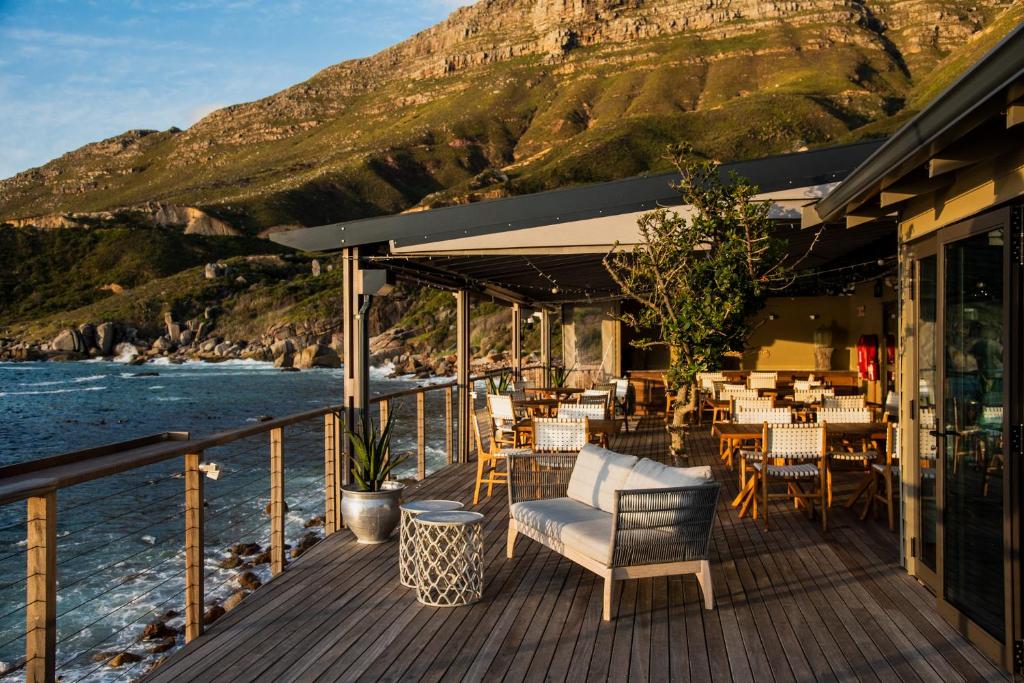
Cape Town, on South Africa’s southwestern tip, is one of the world’s most scenic cities, wrapped around the flat-topped Table Mountain where ocean, vineyards, and beaches meet.
Ride the cableway or hike to the summit, take the ferry to Robben Island where Nelson Mandela was imprisoned, and meet the African penguins at Boulders Beach. Drive the dramatic coast to the Cape of Good Hope, browse the lively V&A Waterfront, and tour the nearby Cape Winelands.
The best times to visit are the shoulder seasons of March to May and September to November, with warm, settled weather and fewer crowds; July to September is prime whale-watching season near Hermanus. Summer (December to February) is peak season, so book ahead. Allow four to five days to combine the city with the peninsula and wine country.
Affiliate placeholder: Compare accommodation options after checking the official property details, location, and cancellation terms.
Affiliate placeholder: Check current activity availability, meeting points, accessibility, and cancellation terms before reserving.
Sources and current planning links
Explore more destinations.ai travel guides when building a longer route.
How to plan a Cape Town visit
Cape Town is easiest to plan as a set of compact areas rather than one attraction list: combine the City Bowl with one mountain or garden day, the Atlantic seaboard with beaches, and the peninsula or Winelands only when you have enough time. Table Mountain, ocean, history, food, art, and nearby vineyards all compete for attention. A good itinerary leaves room for wind, traffic, cableway or ferry changes, and the simple pleasure of sitting down.
The official city tourism guide organizes Cape Town around places to go, things to do, areas to stay, and practical planning. Use it to check current attraction details, maps, events, and safety guidance. Cape Town changes noticeably by neighborhood, so an address that looks close on a map may not be convenient for the activities you have chosen.
What are the best things to do in Cape Town?
Most first visits center on Table Mountain, the V&A Waterfront, Robben Island, the Cape Peninsula, Kirstenbosch, and the city’s museums and historic neighborhoods. Pick the sights that fit your interests and weather instead of treating every famous name as mandatory. Mountain visibility can change quickly, and timed attractions may require a second-choice plan.
Table Mountain offers the city’s defining view, but the cableway and trails are weather-sensitive. Check the current operating notice, wind, route difficulty, and return option before setting out. Wear shoes with grip, carry water, and do not confuse a short-looking viewpoint visit with a risk-free hike. If the summit is covered, Signal Hill, a museum, a garden, or a neighborhood walk may create a better day.
The V&A Waterfront works well for a flexible afternoon of food, shopping, harbor views, museums, and a boat or island-related experience when departures are running. Robben Island is emotionally and logistically different from a casual harbor stop, so allow time for the full visit and confirm the current ferry and ticket arrangements. A reservation that looks simple on a calendar can still be affected by wind.
For history and culture, consider the District Six Museum, the Castle of Good Hope, the South African National Gallery, the Bo-Kaap, and contemporary galleries or performance venues. Approach sites connected with apartheid and colonial history with attention rather than rushing through for photographs. Guided walks can add context, but check the operator’s credentials, meeting point, inclusions, and cancellation terms before booking.
Kirstenbosch and the Cape Peninsula provide the nature side of the city. A garden visit is not interchangeable with a drive to Cape Point, and Boulders Beach can be busy at the same hours as other peninsula highlights. Start early, group stops geographically, and respect wildlife viewing distances. Leave the coastline before fatigue, darkness, or a sudden weather change turns a scenic route into a pressured drive.
Where should you stay in Cape Town?
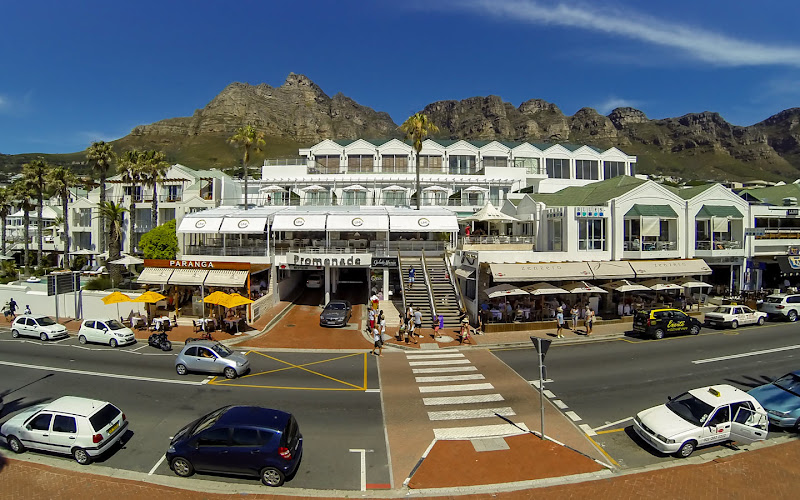
Choose the City Bowl or Gardens for central access, the Waterfront for convenience and a visitor-focused base, Sea Point or Camps Bay for a coastal setting, or the Southern Peninsula when a slower seaside stay matters more than short city transfers. Each area creates a different trip. Use the map, current transport advice, and your evening plans to make the decision.
Check the exact address, secure parking, building access, backup power or service arrangements, breakfast hours, and cancellation policy. Compare how you will return after dinner or a concert, not only how close the hotel is to Table Mountain in daylight. A quieter property may be the right choice for families, while a central location can reduce transfers for a short first visit.
What should you eat in Cape Town?
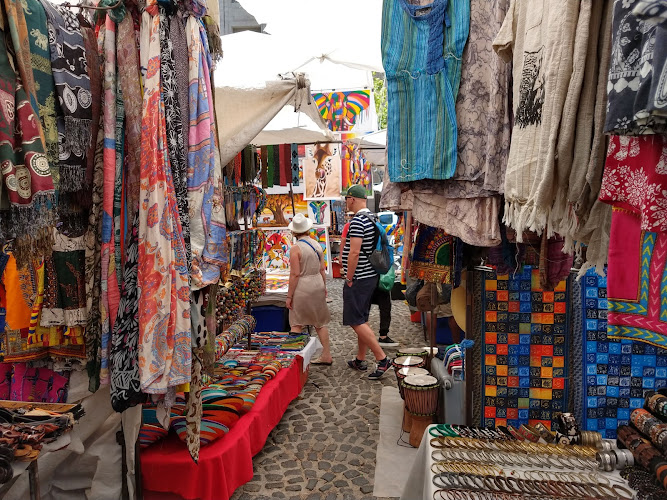
Cape Town’s food scene ranges from Cape Malay cooking and seafood to markets, bakeries, modern South African menus, neighborhood cafés, and the restaurants of the Winelands. Plan one food experience as an anchor, then keep other meals close to the day’s route. The city’s culinary identity is strongest when you try local ingredients and traditions alongside the polished dining scene.
Ask restaurants about reservations, tasting times, dietary substitutions, and the safest way to get back to your accommodation. A market lunch may be perfect after a museum, while a vineyard meal needs a designated driver or a reputable transfer. Do not stack a long peninsula drive, a winery booking, and a late dinner on the same day unless the transport plan is genuinely realistic.
What is the best time to visit Cape Town?
Late spring and autumn often offer a comfortable balance of mild weather and manageable demand, while the summer months bring long bright days and peak visitor interest. Winter can be wetter but still supports museums, food, and clear-weather outings. Wind matters as much as temperature for mountain, ferry, and coastal plans, so check the forecast close to each activity.
Book popular summer accommodation and time-sensitive attractions early, but keep a weather backup. A clear morning can be the right time for Table Mountain; a windy morning may favor the city’s galleries or a long breakfast. Whale-watching and vineyard experiences have their own seasonal rhythms, and current operator calendars are more reliable than a generic “best month” claim.
How do you get around Cape Town?
Use a walkable neighborhood, current MyCiTi or other public-transport information, and a reputable taxi or rideshare for city days; use a rental car or arranged transfer when you are covering the peninsula or Winelands. The best transport changes by route and time of day. Check the latest service, road, parking, and pickup information before leaving.
Do not plan the Cape Peninsula as a series of quick map pins. Roads, viewpoints, wildlife traffic, and weather create delays, and some remote-looking stops have limited services. Keep valuables out of sight, use well-established pickup points, and follow current local safety advice. If you hire a guide, ask whether the quoted price includes fuel, tolls, entry, waiting time, and the return route.
Is Cape Town good for families?
Cape Town is rewarding for families when each day has one major outing, one easy stop, and a weather-proof alternative. The aquarium, Waterfront, beaches, gardens, gentle viewpoints, and selected museums can balance active sightseeing. Check swimming conditions, lifeguard advice, trail exposure, stroller access, and age restrictions rather than assuming a famous attraction suits every child.
Table Mountain and the peninsula are exciting but can be tiring in sun or wind. Keep snacks, water, layers, and a clear pickup plan. For accessibility, ask each venue about step-free entrances, bathrooms, vehicle drop-off, path surfaces, and seating; the same neighborhood can contain both accessible attractions and difficult cobbled or sloping streets.
A practical four-day Cape Town itinerary
Four days gives a first-time visitor enough room for the central city, mountain or garden, peninsula, and one flexible food or wine day. Add more nights if you want to explore slowly or include long drives beyond the city.
- Day one: Settle into the City Bowl, Waterfront, or another base, then explore a nearby museum, market, or harbor area.
- Day two: Attempt Table Mountain or a confirmed alternative, pair it with Kirstenbosch or a neighborhood meal, and keep the evening easy.
- Day three: Start early for the Cape Peninsula, grouping Cape Point, Boulders Beach, and coastal viewpoints around current access and weather.
- Day four: Choose the Winelands, a cultural walk, a beach morning, or a second museum based on the forecast and your energy.
What day trips work from Cape Town?
The Cape Peninsula and Cape Winelands are the most natural extensions from Cape Town, while longer trips toward whale-watching towns or national parks need more time than a rushed day allows. Pick one direction and decide whether you want independent driving, a guide, or a prearranged transfer. Confirm return times before booking a flight or nonrefundable dinner.
Cape Town rewards curiosity more than speed. Use the current official maps and guides below, leave room for wind and traffic, and choose local operators who explain their terms clearly. That approach produces a more useful travel guide—and a better trip—than trying to collect every viewpoint in one weekend.
For a longer regional route, compare Johannesburg, South Africa, Victoria Falls, Dubai, United Arab Emirates with this destination before finalizing your itinerary.
Frequently asked questions
What is Cape Town, Western Cape best known for?
Cape Town is world-renowned for its dramatic natural setting wedged between Table Mountain and the Atlantic Ocean, historic landmarks like Robben Island, and proximity to the Cape Winelands and Cape of Good Hope nature reserves.
When is the best time to visit Cape Town?
The best times to visit are the shoulder seasons of March to May and September to November, with warm, settled weather and fewer crowds; July to September is prime whale-watching season near Hermanus.
How many days should you spend in Cape Town?
Plan about 3 days for a first visit, then add time if you want to explore beyond the central sights.
How should you get around Cape Town?
Uber is the most reliable, secure, and widely used transit method for visitors throughout central Cape Town. The MyCiTi bus network connects the city bowl to Camps Bay and Table View, while rental cars are ideal for coastal drives along Chapman’s Peak to Cape Point.
What should you book ahead in Cape Town?
Book the Table Mountain Aerial Cableway tickets online to bypass the main ticket queue, reserve the Robben Island ferry weeks in advance during high season (December to March), and book top dining spots in Camps Bay and the Constantia Winelands early.
Explore Cape Town by Category: Discover top curated spots across Cape Town Attractions & Sightseeing, Best Places to Stay in Cape Town, Cape Town Restaurants & Dining.