Lalibela Museum is a small cultural-history museum at 22MV+P77, Lalibela, Ethiopia, in the center of the highland town that developed around King Lalibela’s late-12th- and early-13th-century rock-hewn church complex. Its displays of religious objects, manuscripts, textiles and archaeological material give travelers useful context for the living Ethiopian Orthodox traditions and long settlement history behind Lalibela’s celebrated monolithic churches.
What to Expect at Lalibela Museum
Think of this as an interpretive stop rather than a large national museum. The collection brings together ancient manuscripts, religious icons, traditional objects and cultural artifacts associated with Lalibela and the wider Lasta area. These objects help decode details visitors encounter in the churches: the importance of Ge’ez manuscript culture, the role of crosses and icons in Orthodox worship, and the continuity of local craft and domestic life.
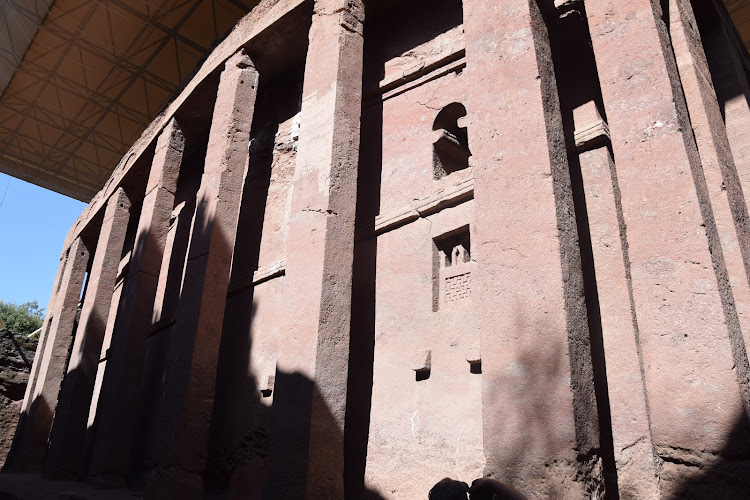
Visit before or after the Rock-Hewn Churches of Lalibela, whose eleven churches and two chapels were cut from volcanic tuff under the Zagwe dynasty. The museum’s archaeological finds and historical narratives place those monuments within a broader medieval and post-medieval town rather than treating them as isolated architecture. There is no published timed-entry system, guided-tour schedule, café, cloakroom or museum-shop information; ask the attendant on arrival about photography, bags and any guide available that day.
- Ancient manuscripts: Written material introduces Ethiopia’s Ge’ez literary and religious tradition, a key lens for understanding Lalibela’s Orthodox heritage.
- Religious icons and objects: Sacred imagery and church-related items provide context for the active worship still taking place in Lalibela’s rock-hewn sanctuaries.
- Traditional textiles: Local textile traditions add a material-culture dimension beyond the town’s monumental stone churches.
- Archaeological material: Finds connected with Lalibela’s historic sites broaden the story from royal church building to everyday life and settlement.
- Church-complex orientation: Use the visit to prepare for the nearby UNESCO-listed monuments, especially their ritual function and medieval chronology.
Lalibela Museum at a Glance
| Detail | Information |
|---|---|
| Address | 22MV+P77, Lalibela, Ethiopia |
| Neighborhood / Area | Central Lalibela, near the Rock-Hewn Churches precinct |
| Operating Hours | Daily hours are not publicly posted; confirm locally before making a special trip. |
| Admission / Price Range | Admission policy and fee are not publicly posted; confirm at the entrance. Budget level: $. |
| Recommended Visit Duration | 45 to 60 minutes |
| Nearest Transit / Parking | Walk from the Rock-Hewn Churches area; no rail or formal urban transit stop is associated with the museum. Parking details are not published. |
| Official Website & Phone | No official website or public phone number is listed. |
Visiting Tips, Getting There & Nearby Pairings
Go in the morning, ideally before entering the church compounds, when the objects can give structure to what you will see underground and inside the carved sanctuaries. Keep the itinerary flexible: opening times, entry arrangements and photography rules should be checked in person. Bring small cash for any locally collected admission, and dress respectfully if you are continuing directly into active churches; shoulders and knees should be covered, and shoes may need to be removed in sacred interiors.
The museum is best reached on foot from the central church zone, about 0.1 km from the Rock-Hewn Churches listing. Lalibela does not have a metro or rail network; visitors commonly arrive in town by road from Lalibela Airport and use a hotel-arranged vehicle, taxi or local transport for longer journeys. The center’s sloping, uneven streets can be difficult for wheelchairs and strollers, and step-free entry, accessible toilets and fixed seating at the museum are not publicly documented. Pair the visit with Bisrat Cafe, also about 0.1 km away, then allow time for the nearby church groups, including Bete Giyorgis (Church of Saint George), Lalibela’s famous cross-shaped excavation.
Frequently Asked Questions
What are Lalibela Museum’s hours, and when is the best time to visit?
Published daily opening hours are not available, so confirm locally before setting out. Morning is the most useful time for travelers planning to visit the churches afterward, while also leaving room for any changes to local operations.
How much does Lalibela Museum cost, and do I need a reservation?
A current admission fee and whether entry is free or paid are not publicly listed. There is no published online reservation system; ask at the museum or through your accommodation, and carry small cash for possible entry charges.
How much time should I budget for the museum?
Plan 45 to 60 minutes for a focused look at the manuscripts, icons, textiles and traditional objects. Allow longer if an attendant can provide interpretation or if you are using the visit to plan a detailed church itinerary.
Is Lalibela Museum suitable for families and visitors with limited mobility?
Older children interested in history, religion or archaeology will get the most from the displays, particularly when paired with the churches. Accessibility facilities and step-free circulation have not been published; travelers with mobility needs should inspect the approach and entrance before committing to a visit.
When planning your Lalibela travel guide or browsing verified hotels in Lalibela, pair this stop with standout local spots including Mezena Lodge, Ben Abeba Lodge – Lalibela, Glo Lalibela Ethiopian Restaurant, and Bisrat Cafe (nearby).