The Lecce travel guide: plan two full days to see the Baroque centre, Roman remains, and the food of Salento. Lecce is in Puglia, southern Italy, where warm local limestone gives churches and palaces their honey-coloured façades. The historic centre is compact enough to explore on foot, with cafés and small squares between the major monuments.
Use a destinations.ai itinerary planner to map a Lecce stay with day trips, then confirm attraction hours with official sources because churches and museums may change their schedules.
What are the must-see attractions in Lecce?
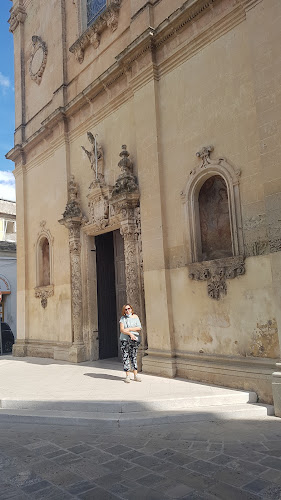
Begin at Piazza del Duomo, then walk to the Basilica di Santa Croce to study its detailed Baroque stonework. Piazza Sant’Oronzo brings together the city’s modern rhythm and Roman history, including the partially excavated Roman amphitheatre. The Roman Theatre and the Faggiano Museum add smaller, more focused stops if you have extra time.
Look closely at the local material. Lecce stone is soft enough for detailed carving, which explains the theatrical faces, animals, columns, and floral decoration across the centre. Add Porta Napoli, the Church of Santa Chiara, and the Castle of Charles V if you want more architecture without leaving town. The best route is a loop through the historic centre, with time to step inside churches rather than viewing every building from the street.
In the evening, return to the same streets for an aperitivo and a plate of Salento specialities such as orecchiette or pasticciotto. Local food is part of the guide because it helps distinguish Lecce from a quick list of Italian monuments. Look for a menu that includes local vegetables, olive oil, seafood, or regional wine.
How many days are enough for Lecce?
One full day covers the main squares and churches at a quick pace. Two days allow time for the Roman sites, a museum, and a relaxed meal. With three or four days, use Lecce as a base for Salento. Otranto, Gallipoli, and the Adriatic coast are possible day trips, but check driving times and transport before booking a tightly timed excursion.
A simple two-day itinerary starts with Piazza del Duomo, Santa Croce, and Piazza Sant’Oronzo on day one. Use day two for the Roman Theatre, a museum, a longer lunch, and the less-visited lanes around Porta Rudiae. Add a coastal day only after checking the return route. Salento distances look short on a map but can take longer on regional roads.
When is the best time to visit Lecce?
April through June and September through October usually offer comfortable conditions for walking. July and August are hotter and busier, especially when coastal visitors come inland for dinner. Spring and autumn make it easier to combine the city with nearby towns. Bring sun protection in summer and comfortable shoes for uneven stone paving.
Check religious and cultural calendars when planning a visit because opening hours and evening activity can change around festivals. Many historic interiors have their own schedules, so leave room for a second-choice stop rather than building the day around one timed entry.
Where should you stay in Lecce?
Stay inside or near the historic centre if you want to walk to the Duomo and Santa Croce after dinner. Choose a location near the station if you plan to rely on trains or arrive with luggage. A rental car is useful for rural Salento and coastal stops, but it can be inconvenient inside the old centre where traffic restrictions and limited parking apply.
Ask accommodation hosts about the local traffic-restricted zones before driving into the centre. A property with parking just outside the historic core can be easier than a room on a narrow central lane. Without a car, a central stay reduces the need for taxis and makes an early train or evening meal simpler.
How do you get around Lecce?
The historic centre is made for walking, but paving can be uneven and some streets are narrow. Trains connect Lecce with other Puglia cities, while a car gives more freedom for Otranto, Gallipoli, and rural Salento. Compare the complete journey, including station transfers and parking, before choosing a day trip.
How should you explore Lecce’s Baroque centre?
Walk without trying to see every church in one burst. Begin at Piazza del Duomo, where the cathedral, bell tower, seminary, and palace create an enclosed architectural scene. Continue to Santa Croce, then move toward Piazza Sant’Oronzo and the Roman amphitheatre. This order gives you a clear sense of Lecce’s scale and lets you pause for coffee before the busiest part of the afternoon.
Lecce stone changes character as the light moves across it. Morning is useful for detailed façades and photographs, while late afternoon brings warmer colour to the squares. Look above shopfronts for carved balconies, masks, columns, and small details that are easy to miss at street level. The centre is compact, but the best experience comes from leaving time to look rather than treating it as a checklist.
What should you know about Lecce stone?
The local limestone is soft enough to be carved into unusually elaborate decoration. That material helps explain the theatrical Baroque style associated with Lecce: plants, animals, faces, columns, and ribbons appear across churches and palaces. The stone is not just a colour palette. It is part of the reason the city developed its particular architectural identity.
Because many façades are made from a pale local material, bright sunlight can make details look flatter in the middle of the day. Wear sunglasses, use sun protection, and take your time in shaded lanes. Some interiors are darker and cooler than the streets, so a flexible route is more comfortable than a continuous outdoor walk in summer.
Which museums and smaller sights are worth adding?
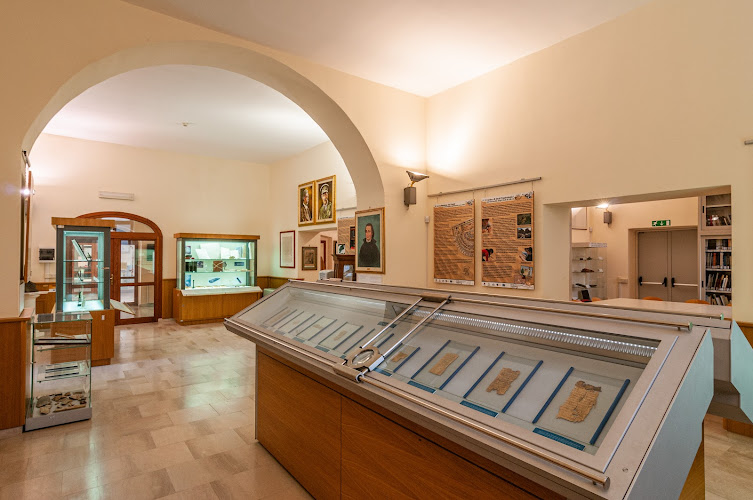
Add the Roman Theatre, the Faggiano Museum, and the Castle of Charles V if you want more than the major churches. These stops create different kinds of context: Roman urban history, archaeology discovered beneath a private building, and military or civic architecture. The Roman amphitheatre at Piazza Sant’Oronzo is the easiest first encounter with the ancient city because it sits directly in the centre.
Porta Napoli and Porta Rudiae make useful edges for a walking loop. Santa Chiara adds another ornate interior, while the Museo Sigismondo Castromediano can suit visitors who want a broader view of local archaeology and art. Check each institution’s official schedule before planning around it. A door closed for a service or maintenance should be a change of route, not a reason to lose the whole afternoon.
What food should you try in Lecce?
Food is one of the easiest ways to make a Lecce travel guide feel connected to Salento. Try pasticciotto with coffee, orecchiette, local vegetables, olive oil, and seafood when it is on the menu. Look for dishes that use regional ingredients rather than ordering only familiar Italian staples. An aperitivo in a small square can be as useful to the itinerary as another monument because it gives you time to observe how the city changes after work.
Restaurant hours may not match the schedule you use at home. In the hottest months, lunch and dinner can start later, and a popular table may require a reservation. Keep a simple snack in your bag during a walking day. If you are staying in a property with a kitchen, visiting a food market and preparing one meal can also be a practical way to sample local produce.
What day trips work from Lecce?
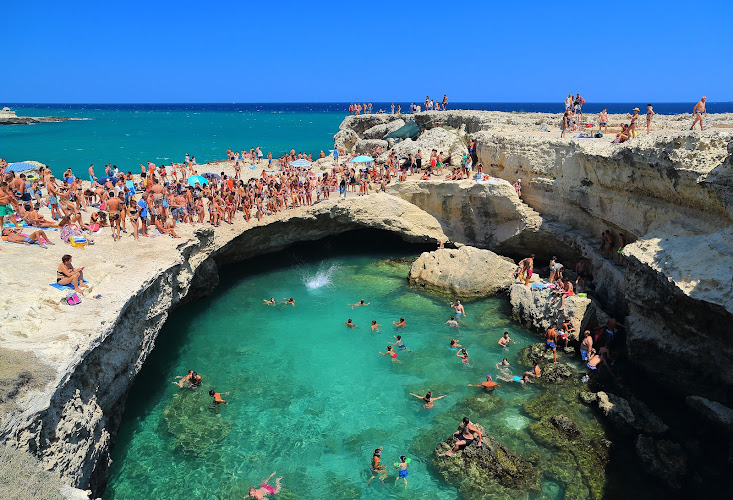
Lecce is a useful base for Salento, but day trips should be chosen with the return journey in mind. Otranto offers an Adriatic setting and a different historic atmosphere. Gallipoli gives you a western-coast perspective. Coastal towns and beaches can be appealing in summer, although driving, parking, and traffic may take longer than a map suggests.
Use trains where the route is direct and compare them with a car when the day includes several smaller places. A car gives flexibility in rural areas but brings traffic-restricted zones, parking, and a need to understand local road signs. Do not drive into the historic centre simply because a map sends you there. Ask your accommodation about parking outside the restricted area and walk the final distance.
How do you handle summer heat?
Plan outdoor sightseeing for the morning and later afternoon, with a slower lunch or museum visit during the strongest sun. Carry water, wear a hat, and choose footwear that can handle stone paving. Shade is not consistent in every square, so do not assume a short distance will feel easy in July or August.
Spring and autumn usually make long walks more comfortable, while July and August bring the most beach traffic and lively evenings. Winter can be a good fit for travellers who prefer museums and meals to hot-weather sightseeing, but confirm seasonal opening hours. No matter when you visit, check current schedules for churches and attractions because local calendars can change.
Sample three-day Lecce itinerary
On day one, walk Piazza del Duomo, Basilica di Santa Croce, Piazza Sant’Oronzo, and the Roman amphitheatre. Take a long lunch and return to the lanes around Porta Napoli in the afternoon. On day two, visit the Roman Theatre, Faggiano Museum, Castle of Charles V, and one additional museum, then spend the evening trying Salento dishes. On day three, choose Otranto, Gallipoli, or a coastal route only after checking transport and return times.
If you have only one day, prioritise the Duomo, Santa Croce, Sant’Oronzo, and one Roman site. If you have four days, keep one as a flexible weather or food day rather than automatically adding another long transfer. Lecce rewards repetition: the same square can feel entirely different in morning light, evening conversation, and the quieter hours between meals.
Is Lecce worth visiting?
Lecce is worth visiting for its Baroque architecture, Roman history, food, and position within Salento. It suits travellers who enjoy walking, looking closely, and letting a city unfold between planned stops. The practical challenge is not a lack of things to do but deciding how much to leave open. A measured route, a sensible base, and verified opening times will give you a more useful trip than an overpacked list.
Is Lecce worth visiting?
Lecce is worth visiting for Baroque architecture, Roman history, regional food, and access to Salento. It suits travellers who enjoy walking between monuments and lingering over meals. Two days is enough to understand the city; a longer stay turns it into a useful base for the coast and nearby Puglia towns.
Sources
- Visit Puglia: Lecce attractions and history
- Italia.it: official destination information for Lecce
- City of Lecce: visitor information
Explore Lecce by Category: Discover top curated spots across Lecce Attractions & Sightseeing, Best Places to Stay in Lecce, Lecce Restaurants & Dining.