Museum Lord of Miracles is a religious-history museum at Jr. Huancavelica 583, Lima 15001, in the historic center’s Las Nazarenas area. Known locally as the Museo del Señor de los Milagros, it explores the devotion surrounding a Crucifixion mural traditionally dated to 1651 and attributed to an enslaved Angolan painter. Visitors come to understand the image’s Afro-Peruvian origins, its survival through earthquakes, and the purple-clad October processions that remain central to Lima’s Catholic identity. The adjoining sanctuary puts that history into its living religious setting.
What to Expect at Museum Lord of Miracles
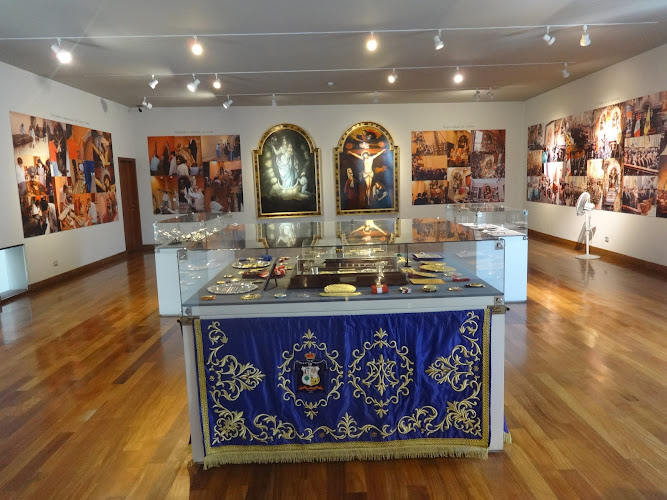
The compact museum occupies three floors and connects religious art with the history of the Nazarenas community. Paintings, devotional textiles, liturgical objects, and historical material explain how a neighborhood devotion became a national tradition. Follow the historical narrative before concentrating on decorative details: embroidered fabrics and ceremonial objects make more sense once you understand the brotherhood, the procession, and the Carmelite nuns who safeguard the cult. This is a focused religious collection rather than a general survey of Peruvian art.
The essential distinction is between the original mural and the image carried through Lima’s streets. The mural belongs to the adjoining Sanctuary of Las Nazarenas, not a movable museum display; the procession uses a separate painted image mounted on an elaborate platform. Tradition associates the mural’s survival with the earthquakes of 1655 and 1687. The present sanctuary, inaugurated in 1771, adds an eighteenth-century architectural counterpoint to the museum, with a richly ornamented interior centered on the sacred image.
- Afro-Peruvian beginnings: Discover the devotion’s roots among enslaved Africans in colonial Lima’s Pachacamilla district.
- Devotional painting: Examine how representations of Christ communicate the identity and history of the Señor de los Milagros.
- Ceremonial textiles: Look closely at embroidery and the purple associated with devotees and the Nazarenas tradition.
- Processional heritage: Understand the brotherhood and collective effort behind carrying the sacred image through central Lima.
- Las Nazarenas sanctuary: Pair the galleries with the church containing the original mural, respecting worshippers and service times.
Museum Lord of Miracles at a Glance
| Detail | Information |
|---|---|
| Address | Jr. Huancavelica 583, Lima 15001, Peru |
| Neighborhood / Area | Historic center; Las Nazarenas, historic Pachacamilla |
| Operating Hours | Monday closed; Tuesday–Saturday 9:30 a.m.–5 p.m.; Sunday 9 a.m.–1 p.m. |
| Admission / Price Range | Paid admission; budget tier ($). Allow approximately S/5 and confirm the current tariff before visiting. |
| Recommended Visit Duration | 60–90 minutes, including a short sanctuary visit |
| Nearest Transit / Parking | Metropolitano Tacna station on Avenida Emancipación; approximately 5–10 minutes on foot. Use a paid public parking lot rather than expecting parking at the entrance. |
| Official Website & Phone | Museum enquiries: +51 1 4317754. Official Lima municipal information. |
Visiting Tips, Getting There & Nearby Pairings
Arrive near opening on a Tuesday–Saturday for an unhurried visit; October procession days require additional time for crowds and street closures. Call ahead for group visits, guided interpretation, language options, and holiday schedules rather than assuming a timed-entry system. Travel light, ask about bag storage, and request permission before photographing galleries or religious objects. Keep phones silent in the sanctuary. Treat any museum shop as an optional extra, and plan refreshments outside rather than building the visit around an on-site café.
From Tacna station, walk toward Avenida Tacna and Jr. Huancavelica, using marked crossings on these busy streets; consult Lima’s official transport authority for service changes. The three-floor layout makes vertical access important: wheelchair users should call about the entrance threshold, elevator access, and accessible toilets before departure. Families should likewise check stroller access. Nearby pairings include the National Museum of Peruvian Culture on Avenida Alfonso Ugarte, roughly 10 minutes west, and Plaza Mayor or Plaza San Martín, each approximately 15 minutes away on foot.
Frequently Asked Questions
What are the opening hours and best visiting time?
The museum opens Tuesday–Saturday from 9:30 a.m. to 5 p.m. and Sunday from 9 a.m. to 1 p.m.; Monday is closed. A weekday morning offers a straightforward schedule, while October visits should account for procession activity.
How much does admission cost?
Admission is paid and inexpensive, with approximately S/5 a useful budget allowance. Telephone the museum for the current charge, concession eligibility, and payment options; carry small-denomination soles.
How long should I allow?
Budget 45–60 minutes for the museum’s three floors. Extend that to 60–90 minutes if you also enter Las Nazarenas, allowing worship services to determine when you can look around quietly.
Is it suitable for families and visitors with limited mobility?
The focused collection suits families interested in local history, although younger children may prefer a shorter visit. Confirm access between all three floors for mobility needs, and choose clothing covering shoulders and knees when including the active sanctuary.
When planning your Lima travel guide or comparing verified attractions and museums in Lima, pair this stop with standout local spots including TownePlace Suites Lima, Lippincott Bird Sanctuary, Place of Memory, Tolerance and Social Inclusion (LUM), and National Museum of Peruvian Culture (0.6 km away).