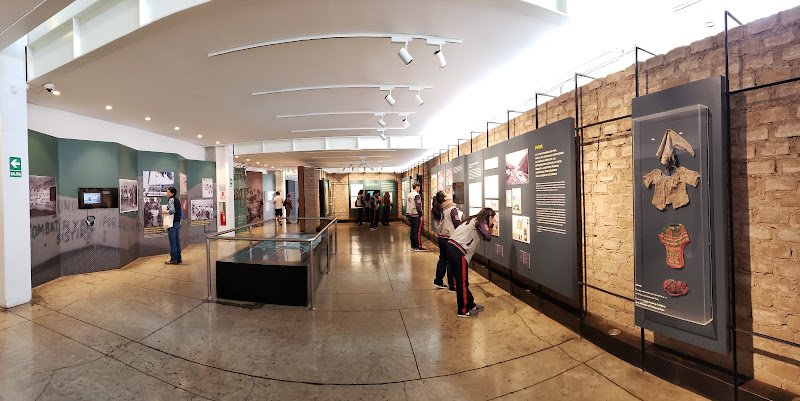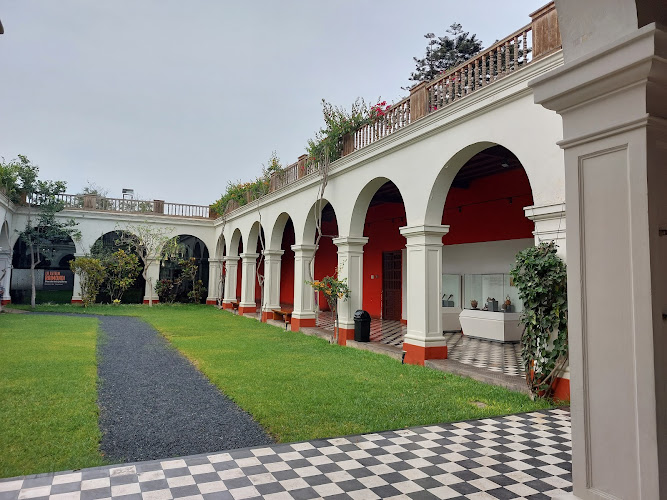
Facing leafy Plaza Bolívar in Lima’s residential Pueblo Libre district, the National Museum of the Archaeology, Anthropology, and History of Peru (MNAAHP) is the country’s oldest public museum, founded in 1822. History buffs come here for a compact overview of Peru’s past, from early Andean cultures through independence.
The museum occupies the colonial-era Quinta de los Libertadores, a mansion where independence leaders José de San Martín and Simón Bolívar both lodged. Its courtyards and period rooms hold portraits, furniture, and documents from the republican era. The archaeology galleries cover Chavín, Paracas, Nazca, Moche, Wari, Chimú, and Inca cultures. Standouts include the Tello Obelisk, a carved Chavín monolith, along with finely woven Paracas textiles and expressive Moche portrait vessels.
Visitor Highlights & Practical Info
Some major pieces, including the Raimondi Stela, have been moving to Lima’s new Museo Nacional del Perú (MUNA) in Lurín, and some galleries close periodically for renovation. Confirm which rooms are open, along with current hours and ticket prices, through Peru’s Ministry of Culture before you go. Weekday mornings are the quietest time to visit, while school groups tend to arrive in late morning. A blue line painted on the sidewalk leads about 15 minutes on foot to the Museo Larco, which makes it easy to pair both museums in one day. Afterward, stop for pisco at the historic Antigua Taberna Queirolo, a few blocks away. Taxis from Miraflores take roughly 25 to 40 minutes, depending on traffic.