Museum of Lisbon / Pimenta Palace is the city-history headquarters of Museu de Lisboa, set inside an 18th-century former country palace beside Campo Grande in northern Lisbon. Rather than isolating objects in white-box galleries, it lets Lisbon’s long story unfold through archaeological material, maps, art, craft and domestic objects in rooms with the character of an old residence.
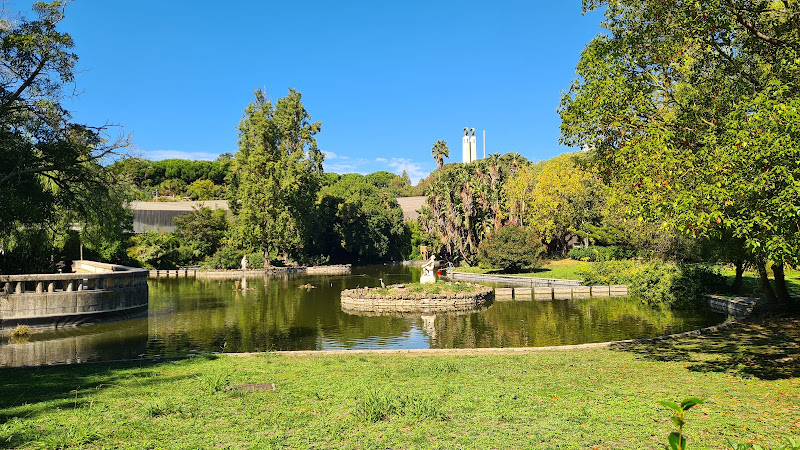
The setting is a major part of the appeal. Blue-and-white azulejo panels, decorated interiors and a walled garden give the visit a quieter, more spacious rhythm than the packed historic core. In Alvalade, near Campo Grande, it is an especially good cultural stop for travelers who want context for the city before—or after—walking its older neighborhoods.
Standout Highlights & What Not to Miss
Come with a simple question in mind: how did a riverside settlement become the Lisbon visitors see today? The permanent displays answer it in sequence, making this a particularly useful museum early in a trip. Give the palace itself equal attention; the route works best when you pause for both the objects and the setting around them.
- The chronological story: Follow Lisbon from prehistory and the Roman city of Olisipo through Islamic and medieval periods, overseas expansion, the baroque era and the modern city.
- The 1755 earthquake and rebuilding: Look closely at the material on the disaster and the Pombaline reconstruction, essential background for reading the ordered streets of central Lisbon.
- Palace azulejos: The 18th-century tile panels are not just decoration. They make the building a visual counterpoint to the historical narrative and reward a slower pace.
- Maps, prints and city views: These works help turn names and dates into a recognizable urban landscape, especially for visitors planning to explore Baixa, Alfama and the waterfront.
- Garden and temporary shows: Leave time for the grounds and see what temporary exhibition is on; both can change the character and length of a repeat visit.
Visitor Strategy & Planning Snapshot
| Planning Factor | What to Expect | Practical Strategy |
|---|---|---|
| Ideal Arrival Window | A calmer museum setting away from the busiest central sightseeing corridors. | Start near opening for unhurried galleries, or use it as a measured afternoon stop after a morning in central Lisbon. |
| Typical Time Needed | Most visitors need about 1.5 to 2 hours for the permanent route, palace details and garden. | Allow extra time if you read labels closely, photograph architectural details or add a temporary exhibition. |
| Booking / Queue Reality | This is generally more of a purposeful museum visit than a fast, drop-in landmark. | Check current admission arrangements and exhibition access before setting out, particularly on weekends or holidays. |
| Terrain & Accessibility | The historic palace layout can mean differing conditions between floors and rooms. | Visitors needing step-free access should contact the museum in advance to confirm the most suitable route and available support. |
| Weather / Seasonal Fit | Indoor galleries make it useful in rain, heat or a winter itinerary; the garden adds value in mild weather. | Pair it with a Campo Grande stroll on pleasant days, while treating the galleries as the core of the visit in any season. |
Honest Trade-Offs: Best For vs. Who Might Skip
This is best for history-minded first-time visitors, architecture lovers and anyone who prefers a coherent narrative over a quick collection of famous objects. It is also a strong choice for travelers who have already seen Lisbon’s views and want to understand the layers beneath them. The trade-off is location and pace: it is not in the compact old-town sightseeing zone, and its rewards are interpretive rather than spectacular in a single-room, must-see sense. Visitors with only a few hours in Lisbon, a tight monument checklist, or little interest in historical displays may prefer to concentrate on the center. Families and casual visitors can still enjoy the palace and garden, but will get more from the stop by choosing a few periods or objects rather than trying to absorb every label.
Neighborhood Context & How to Pair Your Visit
Use Pimenta Palace to see a less tourist-saturated side of Lisbon. Campo Grande metro access makes it straightforward to combine with a walk around the long green space of Campo Grande and the streets of Alvalade, where everyday neighborhood life feels far removed from the souvenir-heavy lanes downhill. For a citywide itinerary, visit here first to build historical bearings, then continue by metro toward the center and test what you have learned against Baixa’s planned grid, the older slopes of Alfama, or the riverfront. The palace garden and on-site café also make a sensible pause between walking-heavy sightseeing blocks.
When planning your Lisbon travel guide or comparing verified attractions and museums in Lisbon, pair this stop with standout local spots including Belcanto, Memmo Alfama Hotel Lisboa, Picoas, and Jardim Mário Soares (0.3 km away).