Quick answer: London is the United Kingdom’s historic capital on the River Thames, famed for royal palaces, West End theater productions, and world-class national museums—including the British Museum and Tate Modern—that offer free admission.
Editorial disclosure: This destinations.ai guide was prepared with AI assistance and checked against the official sources linked below. Accommodation and activity placeholders may use affiliate links; that does not change the planning advice.
Overview: Why Visit London
London, the historic capital of the United Kingdom, is an energetic global metropolis where two millennia of royal history, imperial architecture, and literary heritage fuse with cutting-edge finance, theatre, and multicultural culinary innovation. Straddling the River Thames, London is a tapestry of distinct urban villages—from the political grandeur of Westminster and the financial towers of the ancient Square Mile to the artistic alleys of Soho and the vibrant street art of Shoreditch.
Renowned for offering free general admission to some of the world’s greatest national museums (including the British Museum, the National Gallery, the Victoria and Albert Museum, and Tate Modern), London allows travelers to experience world-class cultural treasures alongside historic royal palaces, sprawling Royal Parks, and legendary West End theatrical productions.
Best Time to Visit London
Quick answer: Late Spring & Early Summer (May to June): The premier travel season in London. Daylight stretches past 9:30 PM, public gardens in Regent’s Park and Kensington Palace overflow with fragrant roses, and temperatures are pleasantly warm, averaging 16°C to 22°C (61°F to 72°F). Perfect for open-air theatre in the parks and Thames riverside pub gardens.
- Late Spring & Early Summer (May to June): The premier travel season in London. Daylight stretches past 9:30 PM, public gardens in Regent’s Park and Kensington Palace overflow with fragrant roses, and temperatures are pleasantly warm, averaging 16°C to 22°C (61°F to 72°F). Perfect for open-air theatre in the parks and Thames riverside pub gardens.
- Autumn (September to October): Crisper, dry days with rich golden foliage transforming Hyde Park and Hampstead Heath. Daytime temperatures average 13°C to 18°C (55°F to 64°F). Tourist queues thin out at major landmarks, and the West End theatre and gallery exhibition seasons launch exciting new rosters.
- Winter & Holiday Season (November to February): Cool and crisp with highs of 7°C to 10°C (45°F to 50°F). From mid-November through December, London transforms into a festive wonderland with world-famous holiday light displays along Regent Street and Oxford Street, open-air ice rinks at Somerset House, and cozy fireside pints in historic Victorian pubs. January and February offer the lowest flight and hotel prices of the year.
- Mid-Summer (July to August): The peak tourist season with warm, sunny days (20°C to 28°C / 68°F to 82°F). Buckingham Palace opens its State Rooms to the public, outdoor music festivals take over Victoria Park, and riverside promenades on the South Bank are filled with street performers and pop-up food stalls.
Key Neighborhoods & Iconic Landmarks
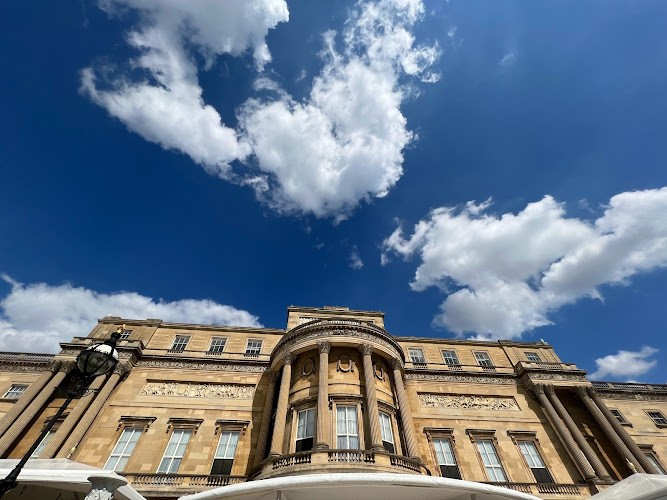
Quick answer: Westminster & St. James’s: The monumental epicenter of British democracy and royalty. Stand before the illuminated face of Big Ben (Elizabeth Tower) and the Houses of Parliament, tour the royal coronation grounds at Westminster Abbey , walk through St. James’s Park to witness the Changing of the Guard at Buckingham Palace , and stroll down Whitehall to Trafalgar Square.
- Westminster & St. James’s: The monumental epicenter of British democracy and royalty. Stand before the illuminated face of Big Ben (Elizabeth Tower) and the Houses of Parliament, tour the royal coronation grounds at Westminster Abbey, walk through St. James’s Park to witness the Changing of the Guard at Buckingham Palace, and stroll down Whitehall to Trafalgar Square.
- The City of London & South Bank: Explore 1,000 years of royal intrigue, fortress dungeons, and the dazzling Crown Jewels at the Tower of London, then walk across the iconic glass floor panels of Tower Bridge. On the South Bank, explore the immersive modern galleries of the Tate Modern, see a Shakespeare production at the open-air Globe Theatre, and sample artisan cheeses, hot salt beef bagels, and gourmet pastries at Borough Market.
- The West End, Soho & Covent Garden: London’s entertainment capital. Watch award-winning musicals along Shaftesbury Avenue, browse street performance plazas and boutique shops in Covent Garden Market, explore the historic neon dining alleys of Chinatown, and enjoy craft cocktails in Soho.
- Bloomsbury & South Kensington Museum Quarter: Marvel at the Rosetta Stone, Parthenon Sculptures, and Egyptian mummies beneath the magnificent glass dome of the British Museum in Bloomsbury. In South Kensington, explore the interactive dinosaur halls of the Natural History Museum, the vast decorative arts archives of the Victoria & Albert (V&A) Museum, and the Science Museum (all free admission).
- The East End & Shoreditch: London’s creative and alternative hub, celebrated for vibrant street art murals, vintage fashion emporiums along Brick Lane, indie record shops, Sunday flower markets on Columbia Road, and cutting-edge craft breweries in Bermondsey.
Suggested 4-Day London Itinerary
Quick answer: Day 1: Royal Palaces & Westminster Heritage. Start at Buckingham Palace for the morning Changing of the Guard ceremony. Walk through St. James’s Park to Westminster Abbey for a guided audio tour of royal tombs and Poets’ Corner. Photograph Big Ben from Westminster Bridge. In the afternoon, explore Trafalgar Square and view masterworks by Van Gogh and Da Vinci at the National Gallery. End with dinner and a show in the West End.
- Day 1: Royal Palaces & Westminster Heritage. Start at Buckingham Palace for the morning Changing of the Guard ceremony. Walk through St. James’s Park to Westminster Abbey for a guided audio tour of royal tombs and Poets’ Corner. Photograph Big Ben from Westminster Bridge. In the afternoon, explore Trafalgar Square and view masterworks by Van Gogh and Da Vinci at the National Gallery. End with dinner and a show in the West End.
- Day 2: The Tower, South Bank & Borough Market. Arrive early at the Tower of London to view the Crown Jewels before the crowds. Cross Tower Bridge to the South Bank and feast on gourmet lunch snacks at Borough Market. Stroll west along the riverside Queen’s Walk, exploring Tate Modern and gazing up at St. Paul’s Cathedral across the Millennium Bridge. Catch sunset from the open-air London Eye.
- Day 3: World-Class Museums & Royal Parks. Spend the morning uncovering ancient human history at the British Museum. Walk through Covent Garden and Neal’s Yard for lunch. In the afternoon, head west to South Kensington to explore the V&A Museum. Stroll through the tree-lined avenues of Hyde Park to view Kensington Palace and the Albert Memorial, concluding with traditional English Afternoon Tea.
- Day 4: Shoreditch Street Art, Greenwich & River Cruise. Explore the vintage markets, street food stalls, and murals of Shoreditch and Spitalfields. Board an Uber Boat by Thames Clippers at London Bridge and cruise downriver past Canary Wharf to maritime Greenwich. Stand on the Prime Meridian Line (GMT) at the Royal Observatory and enjoy panoramic views across the London skyline from Greenwich Park.
British Culinary Scene & Historic Pub Culture
Quick answer: Traditional Fish & Chips: Fresh cod or haddock fillets coated in a crisp, golden beer batter, served with thick-cut chips, mushy peas, and homemade tartar sauce (classic dining at Golden Hind in Marylebone or Poppies in Spitalfields).
- Traditional Fish & Chips: Fresh cod or haddock fillets coated in a crisp, golden beer batter, served with thick-cut chips, mushy peas, and homemade tartar sauce (classic dining at Golden Hind in Marylebone or Poppies in Spitalfields).
- The Traditional Sunday Roast: A sacred British weekend tradition: slow-roasted beef sirloin, roasted lamb, or pork belly served with golden crisp roast potatoes, seasonal vegetables, fluffy Yorkshire pudding, and rich, savory gravy at a historic neighborhood pub.
- Full English Breakfast: A hearty start to the morning featuring fried eggs, Cumberland pork sausages, thick-cut back bacon, grilled tomatoes, sautéed mushrooms, baked beans, and buttered toast.
- Classic Afternoon Tea: Elegant tiered silver stands loaded with delicate crustless cucumber and smoked salmon finger sandwiches, warm baked scones with clotted cream and strawberry jam, and exquisite miniature pastries (celebrated at Fortnum & Mason, The Ritz, or The Wolseley).
- World-Class Multicultural Dining: From fragrant Brick Lane curry houses and dim sum parlors in Chinatown to Michelin-starred modern British gastropubs and vibrant street food halls like Seven Dials Market and Mercato Mayfair.
Practical Travel Tips, Transit & Budget
Quick answer: Contactless Transit (Tube & Elizabeth Line): You do not need to purchase an Oyster Card. Simply tap your contactless credit/debit card or smartphone wallet (Apple Pay / Google Pay) at the yellow readers when entering and exiting Tube, Elizabeth Line, DLR, and train stations. The system automatically applies a daily fare cap (~£8.50–£10.00 for Central Zones 1–2), ensuring you always pay the lowest possible rate. Note: Always use the exact same device or card for every tap to trigger the cap.
- Contactless Transit (Tube & Elizabeth Line): You do not need to purchase an Oyster Card. Simply tap your contactless credit/debit card or smartphone wallet (Apple Pay / Google Pay) at the yellow readers when entering and exiting Tube, Elizabeth Line, DLR, and train stations. The system automatically applies a daily fare cap (~£8.50–£10.00 for Central Zones 1–2), ensuring you always pay the lowest possible rate. Note: Always use the exact same device or card for every tap to trigger the cap.
- Airport Connections: The high-speed Elizabeth Line connects Heathrow Airport (LHR) directly to central London stations (Paddington, Tottenham Court Road, Liverpool Street) in under 35–45 minutes for only ~£13.30. From Gatwick Airport (LGW), Thameslink trains reach London Bridge in 30 minutes.
- Electronic Travel Authorisation (ETA): International travelers from visa-free nations must apply online for a UK ETA prior to travel (processed easily via the UK ETA smartphone app).
- Daily Budget Breakdown:
- Budget traveler: compare current low-cost lodging, meals, and transport before booking (hostel dorm or budget chain hotel like Premier Inn, supermarket meal deals, street food markets, free national museums, capped Tube transit).
- Mid-range traveler: allow for a comfortable hotel, paid attractions, and meals, then check current rates (3-star or 4-star boutique hotel in Zone 1/2, traditional pub meals and bistro dining, West End theatre tickets, Tower of London admission).
- Luxury traveler: allow for premium lodging, private activities, and higher-end dining after checking current rates (5-star heritage hotels like The Savoy, Claridge’s, or The Connaught, multi-course Michelin-starred dining, private chauffeur guides, VIP West End box seats).
Frequently Asked Questions
Are London’s major museums really free?
Yes. General admission to the permanent collections of the British Museum, National Gallery, Tate Modern, Tate Britain, Natural History Museum, Victoria and Albert Museum, and Science Museum is completely free of charge. Special temporary exhibitions may require a paid ticket.
Is it better to take black cabs or use ride-hailing apps in London?
London’s iconic black cabs are renowned for their drivers’ extensive navigation knowledge (“The Knowledge”) and can use dedicated bus lanes, making them fast and reliable. For budget-conscious travelers, ride-hailing apps (Uber, Bolt) and public transit (the Tube) are generally more economical for longer distances.
Do I need to tip at restaurants and pubs in London?
At sit-down restaurants, a discretionary service charge of 12.5% is typically added to your bill automatically. If added, no extra tip is expected. At traditional pubs when ordering drinks at the bar, tipping is not standard practice.
Affiliate placeholder: Compare accommodation options after checking the official property details, location, and cancellation terms.
Affiliate placeholder: Check current activity availability, meeting points, accessibility, and cancellation terms before reserving.
Sources and current planning links
Explore more destinations.ai travel guides when building a longer route.
For a longer regional route, compare Amsterdam, Paris, Vienna, Rome with this destination before finalizing your itinerary.
Explore London by Category: Discover top curated spots across London Attractions & Sightseeing, Best Places to Stay in London, London Restaurants & Dining.