El Pueblo de Los Angeles Historical Monument is the birthplace district of Los Angeles at 125 Paseo de la Plaza, Los Angeles, CA 90012, beside the original plaza in Downtown LA. Founded as El Pueblo de la Reina de los Ángeles in 1781, this free public historic site preserves the city’s Mexican, Californio, Chinese American, Italian American and early Anglo chapters through adobe homes, civic buildings, small museums and the Olvera Street marketplace.
What to Expect at El Pueblo de Los Angeles Historical Monument
Begin at the Plaza, the town square around which the 1781 settlement grew, then enter the Avila Adobe, built in 1818 for ranchero and former alcalde Francisco José Avila. Its thick earthen walls, shaded porch, family rooms and period furnishings make the oldest surviving house in Los Angeles the essential first stop. The building was saved from demolition after preservationist Christine Sterling mobilized support in 1928; Olvera Street opened as a Mexican marketplace two years later.
The compact district rewards an unhurried, self-guided circuit. Visit the 1884 Plaza Firehouse, the city’s first purpose-built fire station, for early firefighting equipment; see the ornate 1870 Pico House, Pío Pico’s former luxury hotel; and look for Italian Hall, once a gathering place for the city’s Italian community. The Chinese American Museum occupies the historic Garnier Building at the south edge of the monument and interprets Chinese American life in Southern California. Olvera Street’s covered, pedestrian lane supplies the sounds and aromas of a working market, with Mexican food counters, folk art, leather goods and souvenir stalls. Most interpretation is self-guided; museum staff and posted displays add context. Personal photography is best kept discreet, with no flash or tripods in historic interiors unless staff permit them.
- Avila Adobe: An 1818 Californio adobe with period domestic rooms, courtyard planting and thick mud-brick construction.
- Olvera Street: The 1930 pedestrian marketplace, lined with Mexican crafts, food stalls and seasonal cultural programming.
- Los Angeles Plaza: The original civic square, framed by mature trees, monuments and the historic district’s principal buildings.
- Plaza Firehouse: An 1884 fire station designed by William Boring, with historic firefighting displays.
- Pico House and Italian Hall: Two key nineteenth-century landmarks representing Los Angeles hospitality, commerce and immigrant community life.
El Pueblo de Los Angeles Historical Monument at a Glance
| Detail | Information |
|---|---|
| Address | 125 Paseo de la Plaza, Los Angeles, CA 90012 |
| Neighborhood / Area | El Pueblo / Plaza Historic District, Downtown Los Angeles |
| Operating Hours | Monument grounds daily, 8am–10pm; individual museums commonly Tuesday–Sunday, 10am–3pm, and closed Monday. |
| Admission / Price Range | Free admission to the monument and its museums; food and purchases on Olvera Street are additional. |
| Recommended Visit Duration | 1.5 to 2.5 hours |
| Nearest Transit / Parking | Union Station is about a five-minute walk; paid lots and garages are available around Alameda Street, Los Angeles Street and Union Station. |
| Official Website & Phone | El Pueblo official website; +1 213-485-6855 |
Visiting Tips, Getting There & Nearby Pairings
Arrive shortly after the museums open at 10am, especially Tuesday through Friday, to see the Avila Adobe and Firehouse before school groups and weekend market traffic. There is no general admission ticket or timed-entry requirement, but verify museum openings on the official El Pueblo website before setting out; historic interiors and individual venues can have separate schedules. Bring a card and some cash for market vendors, and make time for tacos, taquitos, champurrado or fresh churros along Olvera Street.
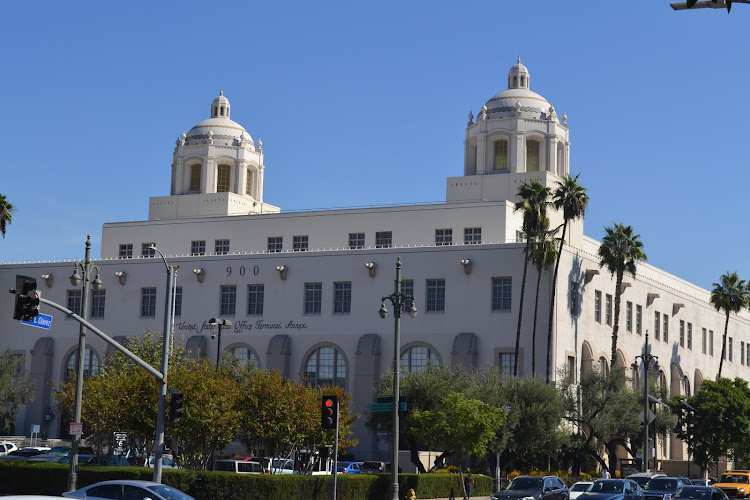
Union Station, served by Metro rail and regional rail services, is the simplest transit arrival and sits directly east across Alameda Street. The plaza’s main outdoor paths are largely level, with curb ramps, benches and public restrooms around the district, but uneven paving, thresholds and narrow rooms in the nineteenth-century buildings can complicate wheelchair or stroller movement; ask staff about accessible entry at each museum. Within a 5–15 minute walk are Union Station’s 1939 Mission Revival and Art Deco interiors, the bronze Olvera Street Cross, and Los Angeles State Historic Park across the riverward side of Chinatown. Grand Park and Los Angeles City Hall are also a short walk south.
Frequently Asked Questions
What are the best hours to visit El Pueblo?
The outdoor monument is open daily from 8am to 10pm. Plan for 10am–3pm Tuesday through Sunday if the Avila Adobe and the small historic museums are priorities, and arrive near opening for quieter interiors.
Does El Pueblo charge admission or require reservations?
Admission to the historic monument and its museums is free, and general advance reservations are not required. Budget separately for meals, sweets, craft purchases and any special programs on Olvera Street.
How long should I spend at El Pueblo and Olvera Street?
Allow 90 minutes for the Plaza, Avila Adobe, Firehouse and a walk down Olvera Street. Two to two-and-a-half hours gives you time for the Chinese American Museum, Pico House exterior and a meal or market browsing.
Is El Pueblo suitable for families and wheelchair users?
Families will find short museum stops, open plaza space and casual food options easy to combine. Outdoor routes are mostly level, while historic adobe rooms and older doorways can be tight or uneven; confirm accessible access with staff at the museum you plan to enter.
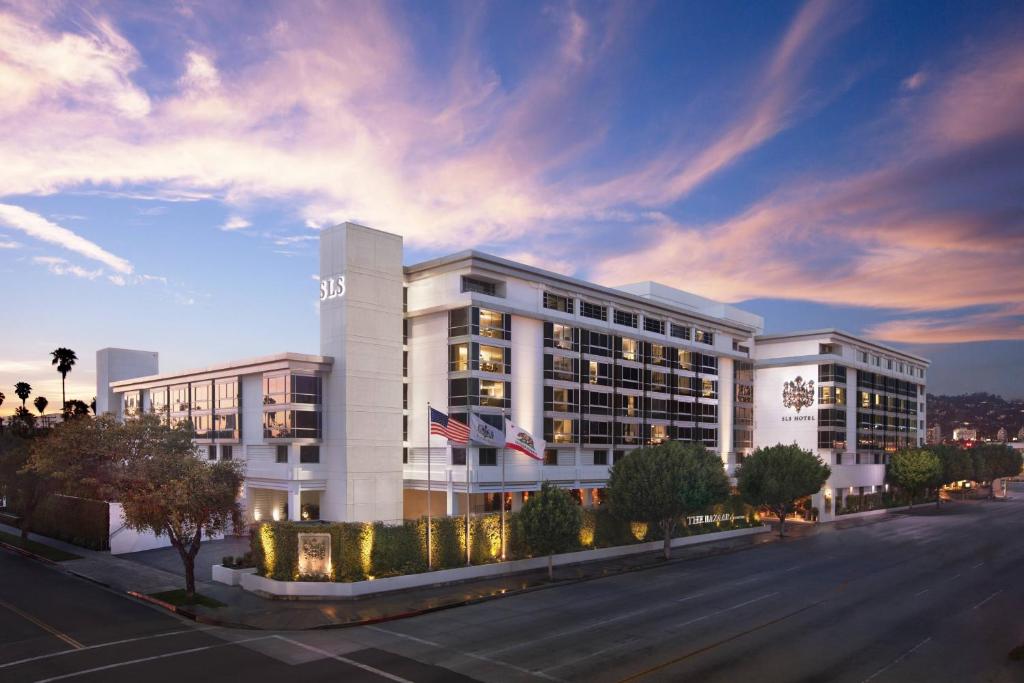
When planning your Los Angeles travel guide or browsing verified attractions in Los Angeles, pair this stop with standout local spots including SLS Hotel, a Luxury Collection Hotel, Beverly Hills, Conrad Los Angeles, LA Street Mall, and Olvera Street Cross (nearby).