Whaling Museum of Madeira, or Museu da Baleia da Madeira, is a maritime-history and cetacean-science museum at Rua Garcia Moniz nº1, 9200-031 Caniçal, in the fishing village’s waterfront district. Founded in 1989 and housed in its purpose-built premises since 2011, it explains Madeira’s twentieth-century whaling industry and the animals once pursued offshore. Travelers visit for whaling boats, oral histories, life-size marine models, and the striking transition from commercial hunting to marine research and conservation.
What to Expect at Whaling Museum of Madeira
Begin with História da Caça à Baleia, the permanent exhibition tracing an industry that operated in Madeira from 1941 to 1981. Caniçal was its processing center, and the displays connect shore-based lookouts, open whaleboats, hunting equipment, and factory work. Archival photographs and recorded testimony give the story a local scale: these were dangerous jobs supporting island households, not simply an episode in maritime technology. The subject includes killing and processing whales, so prepare younger children before entering.
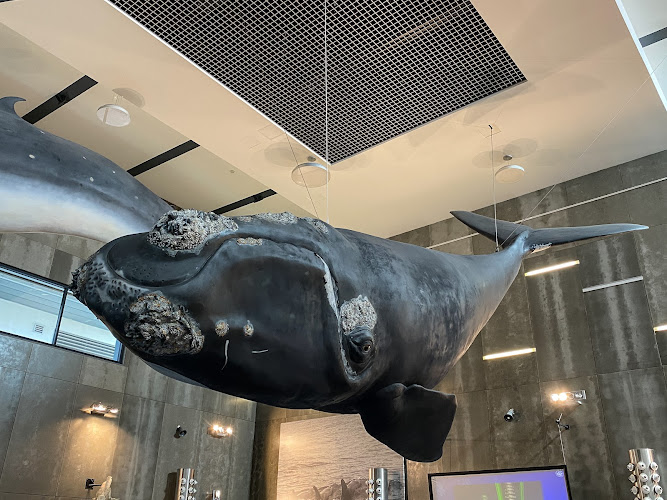
Continue into Os Cetáceos e o Meio Marinho, which shifts from human exploitation to whale and dolphin biology, ocean habitats, and conservation. Large models and audiovisual interpretation make the animals’ size and underwater lives easier to understand. The contemporary building provides generous exhibition spaces rather than historic factory interiors. Audio guides support independent visits; ask reception about available languages, screenings, and guided group arrangements. The museum’s Alamar shop and publications extend the visit into marine science and Madeiran history.
- Madeiran whaleboats: See the small craft associated with a demanding, shore-based sperm-whaling industry.
- Hunting equipment: Harpoons and related tools explain techniques that relied on close encounters with enormous animals.
- Workers’ memories: Historical testimony links the exhibits to Caniçal’s families and working waterfront.
- Cetacean models: Large-scale representations help visitors compare whale and dolphin anatomy and proportions.
- Marine-science interpretation: The second permanent exhibition introduces cetacean ecology and the importance of protecting their Atlantic habitat.
Whaling Museum of Madeira at a Glance
| Detail | Information |
|---|---|
| Address | Rua Garcia Moniz nº1, 9200-031 Caniçal, Portugal |
| Neighborhood / Area | Caniçal waterfront, municipality of Machico, eastern Madeira |
| Operating Hours | Tuesday–Sunday, 10:00–18:00; Monday closed. Check holiday arrangements before traveling. |
| Admission / Price Range | Paid admission; $$ sightseeing budget. Consult the official tariff page for current tickets and concessions. |
| Recommended Visit Duration | 1.5 to 2 hours |
| Nearest Transit / Parking | Caniçal village bus stops on the SIGA/SAM network; public parking around the waterfront, subject to posted restrictions. |
| Official Website & Phone | Museu da Baleia da Madeira; +351 291 961 858 |
Visiting Tips, Getting There & Nearby Pairings
Arrive at 10:00 to leave enough time for both permanent exhibitions and audiovisual material before lunch. Follow the historical section first, then the marine-science section: that sequence makes the change in Madeira’s relationship with whales especially clear. Groups and school parties should arrange visits ahead through the museum. Ask reception about photography restrictions and storage for bulky bags before starting; keep flash off around sensitive displays and avoid obstructing other visitors while taking pictures.
Drivers approach Caniçal via the VR1 and connecting roads from Machico; use marked public spaces rather than harbor working areas. Bus travelers should check current SIGA/SAM services to Caniçal and return departures, particularly on Sundays. The modern museum has ramps and lifts for step-free circulation, making it substantially easier with wheelchairs or strollers than many older island buildings. Afterward, walk roughly 5–15 minutes to Praia da Ribeira de Natal, the village seafront, or the restaurants around Largo Manuel Alves. These pair the indoor visit with sea views and a straightforward seafood lunch.
Frequently Asked Questions
What are the opening hours and best arrival time?
The museum opens Tuesday through Sunday from 10:00 to 18:00 and closes Mondays. Arriving at opening gives you a full morning for the galleries; check the official hours page for holiday changes.
Is admission free, and should I book?
Admission is paid, with current categories and concessions listed on the official tariff page. Contact the museum ahead for organized groups, educational visits, or guided arrangements rather than assuming these are available on arrival.
How long should I spend here?
Allow 1.5 to 2 hours for both permanent exhibitions. Visitors who listen closely to the historical accounts and explore the audiovisual interpretation should keep additional time free.
Is the museum accessible and suitable for children?
Ramps and lifts support wheelchair and stroller access through the modern building. Children can engage with the animal models and marine displays, but the whaling-history section addresses hunting and animal death directly.
When planning your Madeira travel guide or comparing verified attractions and museums in Madeira, pair this stop with standout local spots including Miradouro do Ninho da Manta, Pestana Vila Lido Madeira, Mistral Restaurant and Bar, and Dreams Madeira Resort Spa & Marina (3.0 km away).