Editorial disclosure: This destinations.ai guide was prepared with AI assistance and checked against the official sources linked below. Accommodation and activity placeholders may use affiliate links; that does not change the planning advice.
Overview: Why Visit Madeira
Madeira, an autonomous Portuguese archipelago located in the North Atlantic Ocean approximately 350 miles off the northwest coast of Africa and 600 miles southwest of Lisbon, is universally celebrated as the “Island of Eternal Spring” and the “Hawaii of Europe.” Blessed with a year-round subtropical climate, dramatic volcanic mountains, and lush emerald flora, Madeira delivers one of the world’s most awe-inspiring nature destinations.
From watching the sunrise above an ocean of clouds at the 1,818-meter peak of Pico do Arieiro and hiking through ancient UNESCO-protected Laurisilva rainforests along historic Levada irrigation channels to plunging into natural volcanic sea pools at Porto Moniz, riding traditional wicker toboggans down the hills of Funchal, and stepping onto the glass-bottom skywalk of Cabo Girão (one of Europe’s highest sea cliffs), Madeira is an unforgettable Atlantic paradise.
Best Time to Visit Madeira
Quick answer: Spring (April to June): The island’s most celebrated season. Temperatures average a comfortable 19°C to 23°C (66°F to 73°F) with hillsides covered in blooming bougainvillea, jacaranda, and hydrangeas. May brings the world-renowned Festa da Flor (Madeira Flower Festival) in Funchal, featuring elaborate floral street carpets, classic car rallies, and festive costumed parades.
- Spring (April to June): The island’s most celebrated season. Temperatures average a comfortable 19°C to 23°C (66°F to 73°F) with hillsides covered in blooming bougainvillea, jacaranda, and hydrangeas. May brings the world-renowned Festa da Flor (Madeira Flower Festival) in Funchal, featuring elaborate floral street carpets, classic car rallies, and festive costumed parades.
- Autumn (September to October): Excellent for ocean swimming, sailing, and mountain trekking. Ocean temperatures remain warm (22°C to 24°C / 72°F to 75°F) with daytime highs of 22°C to 25°C (72°F to 77°F). September hosts the annual Madeira Wine Harvest Festival with traditional grape stomping in Estreito de Câmara de Lobos.
- Summer (July to August): Warm and sunny with minimal rainfall and temperatures averaging 24°C to 27°C (75°F to 81°F). Ideal for swimming in the natural basalt pools of Porto Moniz and Seixal, catamaran tours to view pilot whales and dolphins, and coastal kayaking.
- Winter (November to March): Mild and green with temperatures averaging 18°C to 20°C (64°F to 68°F) along the coast. Funchal is famous for its elaborate Christmas light displays and a world-record New Year’s Eve fireworks show illuminating the entire natural harbor amphitheater.
Key Highlights & Volcanic Wonders
Quick answer: Funchal Old Town (Zona Velha) & Monte Toboggans: The capital’s historic center. Stroll painted doorway art along Rua de Santa Maria, browse exotic passionfruit varieties at the art-deco Mercado dos Lavradores , and ride the scenic Funchal Cable Car up to Monte Palace Tropical Garden . Descend in thrilling fashion aboard a traditional Carreiros do Monte wicker basket toboggan—a 100-year-old tradition where two white-suited drivers guide you at 30 km/h down steep asphalt streets using rubber-soled boots.
- Funchal Old Town (Zona Velha) & Monte Toboggans: The capital’s historic center. Stroll painted doorway art along Rua de Santa Maria, browse exotic passionfruit varieties at the art-deco Mercado dos Lavradores, and ride the scenic Funchal Cable Car up to Monte Palace Tropical Garden. Descend in thrilling fashion aboard a traditional Carreiros do Monte wicker basket toboggan—a 100-year-old tradition where two white-suited drivers guide you at 30 km/h down steep asphalt streets using rubber-soled boots.
- Pico do Arieiro to Pico Ruivo (PR1 Trek): Madeira’s most iconic and dramatic mountain route. Watch the sunrise from Pico do Arieiro (1,818 meters), then traverse knife-edge volcanic ridges, stone staircases, and basalt tunnels leading to Madeira’s highest peak, Pico Ruivo (1,862 meters / 6,109 feet).
- Levada Trails (25 Fontes & Caldeirão Verde): Madeira’s historic network of narrow stone irrigation canals built since the 15th century. Hike alongside cascading mountain channels through ancient, mist-shrouded Laurisilva cloud forests (a UNESCO World Heritage site), passing through tunnels to reach hidden 100-meter waterfalls.
- Cabo Girão Skywalk: One of the highest ocean cliffs in Europe, towering 580 meters (1,900 feet) sheer above the Atlantic Ocean. Step onto the suspended glass-bottom viewing platform for vertigo-inducing views straight down to the crashing surf and terraced vineyards below.
- Porto Moniz & Seixal Natural Lava Pools: Spectacular coastal swimming lagoons naturally formed by prehistoric cooling volcanic basalt lava, continuously replenished by ocean waves. Nearby, visit Seixal for its dramatic black sand beach framed by verdant cliffs and the cascading “Bridal Veil” (*Véu da Noiva*) waterfall.
- Ponta de São Lourenço (PR8): The easternmost tip of Madeira. A dramatic, semi-arid volcanic peninsula featuring rust-colored basalt cliffs, jagged sea stacks, crashing Atlantic breakers, and rare endemic coastal flora.
Suggested 3-Day Madeira Itinerary
Quick answer: Day 1: Funchal Capital, Monte Palace & Toboggan Ride. Begin at the vibrant Mercado dos Lavradores in Funchal to sample exotic tropical fruits. Ride the cable car to Monte Palace Tropical Garden to explore exotic Asian gardens and mineral collections. Experience the wicker toboggan ride down to Livramento, followed by dinner of fresh Espetada in the historic Zona Velha.
- Day 1: Funchal Capital, Monte Palace & Toboggan Ride. Begin at the vibrant Mercado dos Lavradores in Funchal to sample exotic tropical fruits. Ride the cable car to Monte Palace Tropical Garden to explore exotic Asian gardens and mineral collections. Experience the wicker toboggan ride down to Livramento, followed by dinner of fresh Espetada in the historic Zona Velha.
- Day 2: Pico do Arieiro Sunrise, Levada Hike & Santana. Drive up to Pico do Arieiro for a sunrise above the cloud bank. In the afternoon, hike the lush Levada do Caldeirão Verde through the emerald Laurisilva forest. Stop in Santana to photograph traditional thatched triangular houses (*palheiros*), and sample local Madeiran wine.
- Day 3: Cabo Girão, Porto Moniz Lava Pools & Fanal Forest. Stand on the glass skywalk at Cabo Girão. Drive the rugged northwest coast to swim in the natural volcanic lava pools at Porto Moniz. On your return, walk among the mystical centuries-old twisted laurel trees of the misty Fanal Forest.
Authentic Madeiran Gastronomy
Quick answer: Espetada Madeirense: Tender cubes of beef seasoned with sea salt, crushed garlic, and bay leaves, skewered on fresh laurel (bay leaf) branches, grilled over charcoal, and served suspended from iron hooks over your table with melting garlic butter.
- Espetada Madeirense: Tender cubes of beef seasoned with sea salt, crushed garlic, and bay leaves, skewered on fresh laurel (bay leaf) branches, grilled over charcoal, and served suspended from iron hooks over your table with melting garlic butter.
- Bolo do Caco: A traditional round Madeiran flatbread made with sweet potato and wheat flour, baked on a flat basalt stone slab and served piping hot, slathered with garlic parsley butter.
- Fresh Espada com Banana: Deep-sea black scabbardfish—a delicate, mild white fish fillet pan-fried and traditionally paired with sweet caramelized local bananas and tart passionfruit sauce.
- Poncha da Madeira: The island’s legendary traditional beverage, freshly muddled with distilled sugarcane rum (*aguardente de cana*), local bee honey, and freshly squeezed lemon or passionfruit juice using a grooved wooden swizzle stick (*caralhinho*).
- Madeira Wine: Celebrated fortified wines aged in oak casks under warm conditions, ranging from dry Sercial aperitifs to sweet, rich Malmsey dessert vintages.
Practical Travel Tips, Transit & Budget
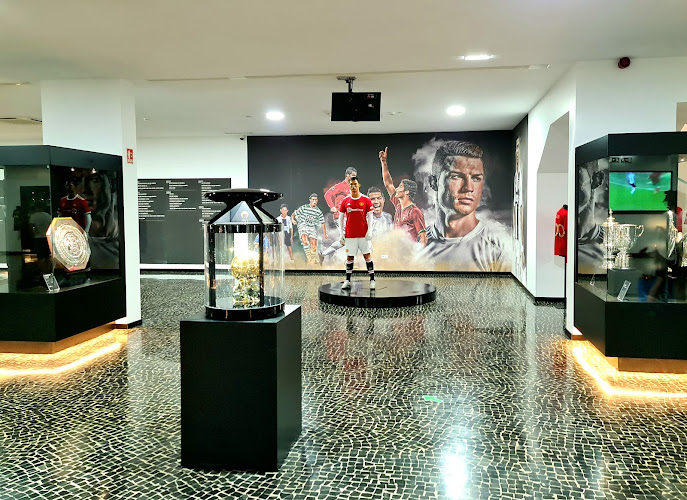
Quick answer: Airport & Transit: Cristiano Ronaldo International Airport (FNC) is located 20 minutes east of Funchal. Renting a car is strongly recommended to navigate the island’s modern highway and tunnel network to access mountain trailheads and remote coastal pools. Alternatively, guided 4×4 open-top jeep tours and trail shuttles are widely available.
- Airport & Transit: Cristiano Ronaldo International Airport (FNC) is located 20 minutes east of Funchal. Renting a car is strongly recommended to navigate the island’s modern highway and tunnel network to access mountain trailheads and remote coastal pools. Alternatively, guided 4×4 open-top jeep tours and trail shuttles are widely available.
- Trail Bookings: Starting in 2025/2026, popular classified walking trails (such as Pico do Arieiro PR1 and Levada das 25 Fontes PR6) require a modest government conservation fee (€4.50–€10.50) and advance time-slot booking via the official Simplifica portal to preserve fragile ecosystems.
- Daily Budget Breakdown:
- Budget traveler: compare current low-cost lodging, meals, and transport before booking (guesthouse or hostel in Funchal, local bakeries and snack bars for Bolo do Caco, public SAM buses, self-guided levada walks).
- Mid-range traveler: allow for a comfortable hotel, paid attractions, and meals, then check current rates (charming oceanfront 3-star or 4-star hotel or quintas, rental car, cable car and toboggan rides, sit-down seafood and Espetada dinners).
- Luxury traveler: allow for premium lodging, private activities, and higher-end dining after checking current rates (5-star historic luxury at Belmond Reid’s Palace or The Cliff Bay, private yacht charter along Ponta de São Lourenço, Michelin-starred fine dining).
Frequently Asked Questions
Why is Madeira called the “Hawaii of Europe”?
Madeira earned the nickname due to its dramatic volcanic origins, towering lush green sea cliffs, deep mountain ravines, year-round subtropical climate, and spectacular waterfalls resembling the Hawaiian islands.
What are the Levadas in Madeira?
Levadas are historic open stone and masonry water channels engineered since the 15th century to carry abundant rainfall from the wet northwest mountains to agricultural terraces and vineyards in the sunnier south. The maintenance pathways running alongside them now form Madeira’s most famous hiking trails.
Do I need a rental car in Madeira?
While Funchal is easily explored on foot and by public bus, renting a car is strongly recommended to explore remote volcanic pools at Porto Moniz, reach mountain peaks for sunrise, and access secluded levada trailheads.
Affiliate placeholder: Compare accommodation options after checking the official property details, location, and cancellation terms.
Affiliate placeholder: Check current activity availability, meeting points, accessibility, and cancellation terms before reserving.
Sources and current planning links
Explore more destinations.ai travel guides when building a longer route.
For a longer regional route, compare Amsterdam, Paris, London, Vienna, Rome with this destination before finalizing your itinerary.
Explore Madeira by Category: Discover top curated spots across Madeira Attractions & Sightseeing, Best Places to Stay in Madeira, Madeira Restaurants & Dining.