Museo Nacional de Ciencias Naturales is Spain’s national natural-history museum: a place where fossils, animal specimens, evolutionary stories and working science meet under the high ceilings of a historic Madrid building. The headline sights are easy to grasp—dinosaur reconstructions and an immense whale skeleton—but the pleasure lies in noticing how bones, skins, models and archival-style displays build a larger picture of the natural world.
Set in Madrid’s Chamartín district, on the edge of the Castellana corridor, the museum makes a rewarding change of pace from the city’s art-heavy museum circuit. It suits a rainy afternoon, a family outing, or anyone who enjoys the slightly old-school atmosphere of a long-established scientific collection. This is not merely a gallery of dramatic specimens: it is also a research institution, and that scholarly depth gives the visit its character.
Standout Highlights & What Not to Miss
Approach the museum as a sequence of discoveries rather than a race to see every label. Permanent displays draw from collections spanning zoology, geology and vertebrate paleontology, while temporary exhibitions can shift the emphasis on any given visit. Give the largest objects time, then slow down for the comparative displays that explain change, adaptation and classification.
- The whale skeleton: Look up before moving on. Its scale is the kind of immediate, memorable encounter that helps children and adults alike understand the physical reality behind a textbook illustration.
- Fossils and vertebrate paleontology: The fossil material is a core reason to come. Seek out skeletons, skulls and the sequences that make evolutionary change visible across deep time.
- Dinosaur reconstructions: These are the most obvious family draw, but they work best alongside the fossil displays, which add evidence and context to the spectacle.
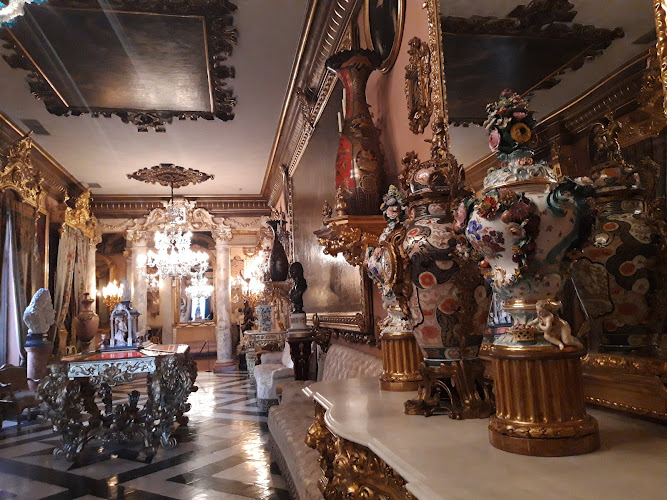
- The historic scientific atmosphere: High-ceilinged rooms and period character give parts of the museum the feel of a classic natural-history cabinet. That contrast with newer interpretive elements is part of its appeal.
- Temporary exhibitions and programming: Check what is on before committing to a route. Rotating shows, workshops and educational activities can make a return visit feel substantially different.
- The outdoor climate-change sculpture: If time allows, look for the skeletal outdoor work, which extends the museum’s scientific themes beyond the indoor galleries.
Visitor Strategy & Planning Snapshot
| Planning Factor | What to Expect | Practical Strategy |
|---|---|---|
| Ideal Arrival Window | The galleries are easier to absorb before the day’s visitor flow builds, especially when families and school groups are present. | Plan an early-day visit where possible and begin with the major permanent displays before pausing for smaller cases. |
| Typical Time Needed | A focused circuit generally takes 1.5 to 2.5 hours; temporary exhibitions, close reading and children’s curiosity can extend that. | Allow two hours as a comfortable baseline. Add time if a special exhibition or activity is part of the plan. |
| Booking / Queue Reality | Demand can vary with school calendars, weekends and special programming, while entry arrangements may change. | Confirm current admission and any reservation requirements shortly before going; avoid treating a same-day visit as guaranteed. |
| Terrain & Accessibility | This is an indoor museum in a historic building, with accessibility information and adapted-visit guidance available from the institution. | Visitors with mobility needs should contact the museum ahead of time to confirm the most suitable routes and arrangements. |
| Weather / Seasonal Fit | It is an especially useful sheltered stop in rain, summer heat or winter chill, with seasonal programming potentially changing the draw. | Use it as the anchor of an indoor day, or pair it with a nearby outdoor stroll when conditions are pleasant. |
Honest Trade-Offs: Best For vs. Who Might Skip
This is an excellent choice for families with children, science-minded travelers, history buffs and visitors looking for a substantial indoor option beyond the Prado-area essentials. Its strengths are tangible objects, broad scientific scope and a sense of institutional history; it rewards people who enjoy reading displays and comparing specimens. Travelers seeking a highly theatrical, screen-led science center may find parts of the presentation more traditional than expected. Likewise, visitors with only a short first stay in Madrid who are focused exclusively on canonical art may prefer to save it for a second day. The museum is most satisfying when treated as a destination in its own right, not a hurried add-on between distant sights.
Neighborhood Context & How to Pair Your Visit
Build the visit into a north-central Madrid day rather than trying to force it into the Paseo del Prado museum cluster. The Castellana-side setting lends itself to a measured urban walk before or after the galleries, with time for a café break and a look at the changing architecture along the avenue. Because the museum visit can comfortably fill much of an afternoon, pair it with one nearby neighborhood stop instead of overloading the schedule. If the weather is good, use the outdoor sculpture as a transition back into the city; if it is not, let the museum be the main event and keep the rest of the plan flexible.
When planning your Madrid travel guide or browsing verified museums in Madrid, pair this stop with standout local spots including Naval Museum, Museo del Romanticismo, El Social, and Lázaro Galdiano Museum (0.6 km away).