Editorial disclosure: This destinations.ai guide was prepared with AI assistance and checked against the official sources linked below. Accommodation and activity placeholders may use affiliate links; that does not change the planning advice.
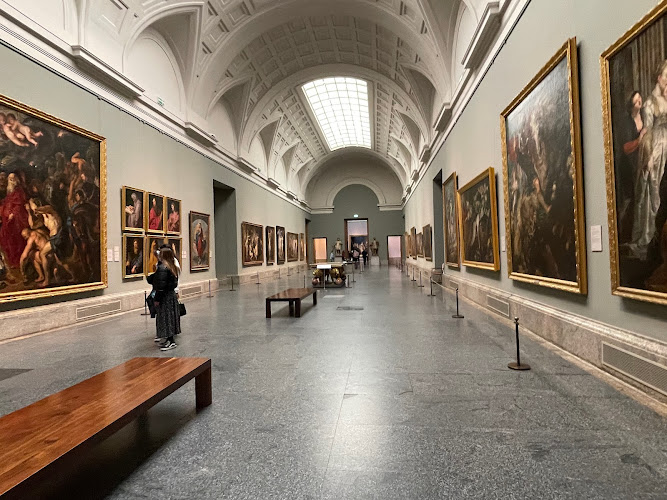
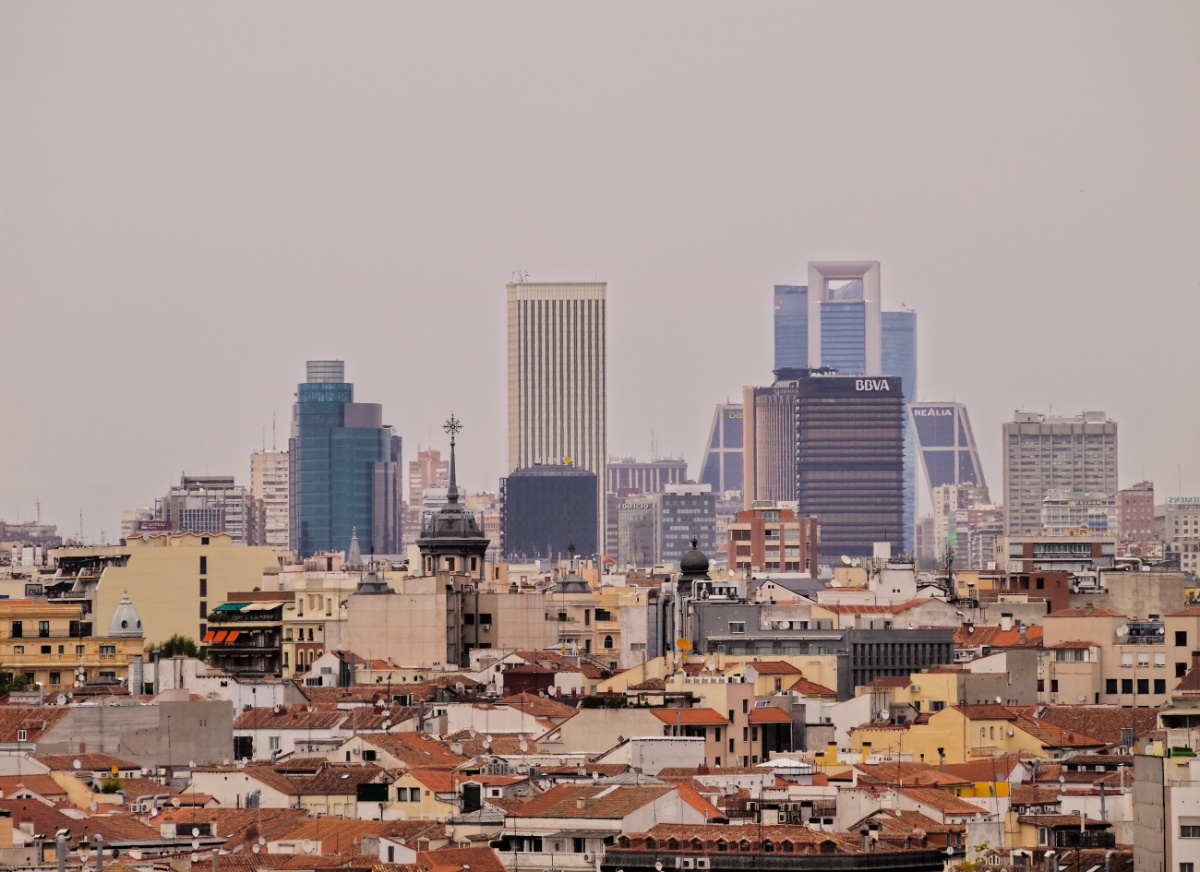
Madrid, the capital of Spain, is a grand and energetic city set in the heart of the country, celebrated for its world-class art, elegant boulevards, lively plazas, and late-night spirit. The Golden Triangle of art museums anchors any visit: the Prado, with masterpieces by Velazquez and Goya; the Reina Sofia, home to Picasso’s Guernica; and the Thyssen-Bornemisza.
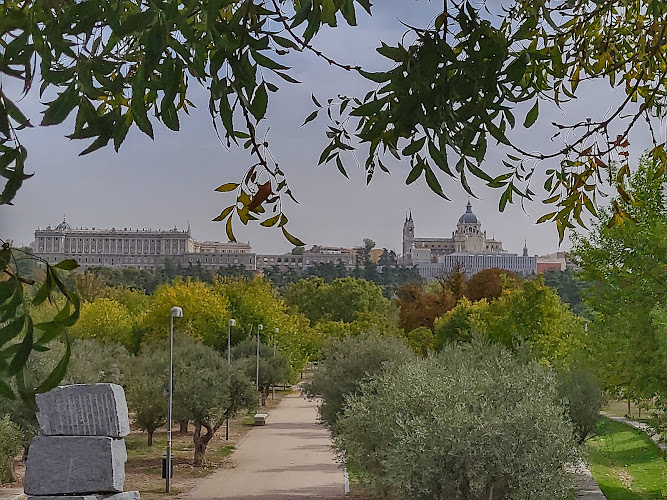
The sprawling Royal Palace, the arcaded Plaza Mayor, and the busy Puerta del Sol form the historic core, while the leafy Retiro Park offers a green retreat around its Crystal Palace. Tapas bars, flamenco tablaos, and the May San Isidro festival capture the city’s social rhythm.
The best time to visit is spring (April to June) or autumn (September to October), when temperatures are pleasant; summers are hot and winters are mild but cool.
Affiliate placeholder: Compare accommodation options after checking the official property details, location, and cancellation terms.
Affiliate placeholder: Check current activity availability, meeting points, accessibility, and cancellation terms before reserving.
Sources and current planning links
Explore more destinations.ai travel guides when building a longer route.
How to plan a Madrid visit
Madrid is easiest to explore through a few connected neighborhoods: the historic center, the art-museum area, Retiro, and one or two food districts. The city is large enough to offer endless choices but organized enough for a first visit to feel manageable. Reserve the time-sensitive attractions, then leave space for a late lunch, a plaza, or an evening walk.
Build the first day around the historic center
Puerta del Sol, Plaza Mayor, the Royal Palace area, and the older streets around them make a natural first route. Walk early if you want photographs and a calmer feel, then choose one interior attraction before the afternoon heat. Check current entry times, security rules, and any official ticket requirements for the palace or other monuments.
Do not treat every square as a quick photo stop. Madrid’s central streets are where the trip’s rhythm becomes apparent: a coffee, a market, a short rest, and a meal can be as useful as another monument. Keep a map, water, and a meeting point if the group splits in crowded areas.
Choose an art and park day
The Prado, Reina Sofía, and Thyssen-Bornemisza form Madrid’s best-known art cluster, but three large museums are too much for many visitors in one day. Choose one collection as the anchor, check current exhibitions and opening hours, and use the surrounding Paseo del Prado or Retiro Park for a change of pace. Retiro’s paths, gardens, and Crystal Palace area are especially useful when the group needs open space.
Families can replace a long museum session with one gallery, a park, and a current interactive or cultural program. Art lovers may prefer a quieter second museum or a themed route. Ask each venue about accessible entrances, lifts, seating, toilets, sensory accommodations, and bag storage instead of assuming the entire district has the same facilities.
Eat through neighborhoods, not only landmarks
Madrid’s food experience is strongest when you make time for a market, a neighborhood bar, and one meal worth reserving. Look for current options in areas such as La Latina, Malasaña, Chueca, Lavapiés, and the central streets, then choose based on the day’s route. Verify hours, reservations, allergens, and late service; Spanish meal times may not match the schedule visitors bring from home.
Flamenco, a concert, or a football match can anchor an evening, but book through the venue or an established provider and confirm the start time and location. A performance after a museum day works best when dinner and transport are nearby. Avoid building a long cross-city transfer into the same window.
When is the best time to visit Madrid?
Spring and autumn are often comfortable for walking, while summer can be hot in the middle of the day and winter brings cooler evenings with fewer outdoor crowds. Check the event calendar, public holidays, museum schedules, and current weather before choosing dates. In hot weather, plan an early outdoor walk, a long lunch or museum break, and an evening return to the streets.
Getting around and choosing where to stay
Walking and the Metro are the most useful tools for a central Madrid trip. Use buses, trains, taxis, or a tour for farther attractions and day trips, checking the current route and last service before an evening event. A city pass can be useful for some visitors, but compare its included attractions, reservation requirements, and transport coverage with the actual itinerary.
Stay in or near the historic center for first-time convenience, near the art district for museum access, or in a residential neighborhood for a quieter evening. Compare the exact street, elevator, air conditioning, breakfast, luggage storage, noise, accessibility, and cancellation terms. Madrid’s dense center rewards a nearby base more than a room chosen only by price.
A practical three-day Madrid itinerary
- Day one: Walk Puerta del Sol, Plaza Mayor, and the palace area, then choose one confirmed historic interior and a nearby dinner.
- Day two: Visit one major art museum in the morning, rest or eat around the Paseo del Prado, and spend the afternoon in Retiro or a nearby neighborhood.
- Day three: Explore a market and food district, add a second cultural attraction or current event, and take a day trip only if the rail schedule and return time are clear.
Madrid’s generous scale is an advantage when you stop treating the city as a checklist. Give each district its own mood, reserve what needs a ticket, and let a long meal or a shaded plaza be part of the itinerary rather than a delay.
Madrid planning tips for different travelers
Families should keep one substantial attraction and one open-air break on each day. Couples may prefer a museum, long lunch, and evening neighborhood walk, while solo visitors can use the Metro and current cultural calendar to change plans easily. Travelers who dislike crowds should begin at the most popular monument early and spend the hottest hours in a museum, market, or shaded park.
Day trips to Toledo, Segovia, or another nearby destination can be worthwhile, but they should not be added by default. Check the current train operator, departure station, return timetable, and attraction hours, then consider whether the extra travel takes away from the Madrid neighborhoods you came to experience. A city pass is useful only when its inclusions match the actual route.
Arrival and departure logistics deserve their own block. A central hotel may be walkable from the first day’s sights but still require a planned airport transfer. Keep luggage, passports, tickets, medication, and a water bottle accessible, and avoid a distant timed attraction on the final morning. Confirm the transport route and allow extra time for a large event or public holiday.
Madrid is generous to visitors who adjust their pace. Use a shaded plaza when the heat rises, a neighborhood restaurant when a museum is full, and a current official listing when an old recommendation no longer fits. The result is a more honest travel guide: direct about what needs booking, flexible about what does not, and grounded in the city’s daily rhythm.
Save the address of the hotel and the departure station in your phone, especially if you plan a late night in a neighborhood you do not know. Madrid’s central districts are lively, but heat, a delayed meal, or a crowded event can shift the timetable. Leave a clear final block for the airport or train, and treat a slower café stop as part of the trip rather than time lost.
Before leaving for a day trip, confirm the return train and the location of the station rather than assuming the last service is convenient. A museum, park, or neighborhood meal close to your base is a better fallback than an expensive taxi across the city. This is especially useful for travelers with children, mobility needs, or an evening flight.
For a longer regional route, compare Barcelona, Spain, Seville, Spain, Lisbon, Portugal with this destination before finalizing your itinerary.
Frequently asked questions
What is Madrid, Spain best known for?
Madrid, the capital of Spain, is a grand and energetic city set in the heart of the country, celebrated for its world-class art, elegant boulevards, lively plazas, and late-night spirit. The Golden Triangle of art museums anchors any visit: the Prado, with masterpieces by Velazquez and Goya; the Reina Sofia, home to Picasso's Guernica; and the.
When is the best time to visit Madrid?
The best time to visit is spring (April to June) or autumn (September to October), when temperatures are pleasant; summers are hot and winters are mild but cool.
How many days should you spend in Madrid?
Plan about 3 days for a first visit, then add time if you want to explore beyond the central sights.
How should you get around Madrid?
A performance after a museum day works best when dinner and transport are nearby.
What should you book ahead in Madrid?
Reserve the time-sensitive attractions, then leave space for a late lunch, a plaza, or an evening walk.
Explore Madrid by Category: Discover top curated spots across Madrid Attractions & Sightseeing, Best Places to Stay in Madrid, Madrid Restaurants & Dining, Madrid Spa, Madrid Wedding venue, Madrid Meeting planning service, Madrid Nightlife, Madrid Shopping, Madrid Parks, Madrid Garden, Madrid Fine dining restaurant, Madrid Spanish restaurant, Madrid Mediterranean restaurant, Madrid Grill, Madrid Store.
Explore Madrid by Category
- Attractions in Madrid (35)
- Hotels in Madrid (20)
- Restaurants in Madrid (18)
- Museums in Madrid (16)
- Parks in Madrid (16)
- Shopping in Madrid (16)
- Spanish restaurant in Madrid (11)
- Mediterranean restaurant in Madrid (7)
- Meeting planning service in Madrid (4)
- Store in Madrid (4)
- Fine dining restaurant in Madrid (3)
- Garden in Madrid (3)
- Grill in Madrid (3)
- Nightlife in Madrid (3)
- Spa in Madrid (3)
- Wedding venue in Madrid (3)
Top Verified Places in Madrid
- El Retiro Park (4.8★ · 188,723)
- Hotel Riu Plaza España (4.3★ · 7,818)
- Rosi La Loca (4.6★ · 14,099)
- Museo Nacional del Prado (4.7★ · 126,172)
- Centro Comercial Príncipe Pío (4.2★ · 31,911)
- Restaurante Los Montes de Galicia (4.8★ · 8,521)
- Vinitus Gran Via Madrid (4.6★ · 5,306)
- The Westin Palace, Madrid (4.6★ · 4,022)
- Museo Nacional Centro de Arte Reina Sofía (4.5★ · 58,749)
- Jardín El Capricho de la Alameda de Osuna (4.7★ · 20,131)
- La Cabaña Argentina (4.7★ · 7,657)
- Mandarin Oriental Ritz, Madrid (4.7★ · 3,556)
- Plaza Mayor (4.6★ · 179,593)
- Thyssen-Bornemisza National Museum (4.7★ · 40,191)
- Casa de Campo (4.5★ · 51,507)
- Galleria Canalejas (4.5★ · 3,184)
- Bodega de los Secretos (4.5★ · 4,863)
- Santo Mauro, a Luxury Collection Hotel, Madrid (4.7★ · 1,113)
- 23CB Cristina Barrilero (4.6★ · 32)
- Coque (4.7★ · 1,476)
- Campo del Moro (4.6★ · 8,138)
- SteakBurger Bar (4.4★ · 6,800)
- Four Seasons Hotel Madrid (4.6★ · 2,839)
- Taberna El Sur (4.5★ · 6,685)