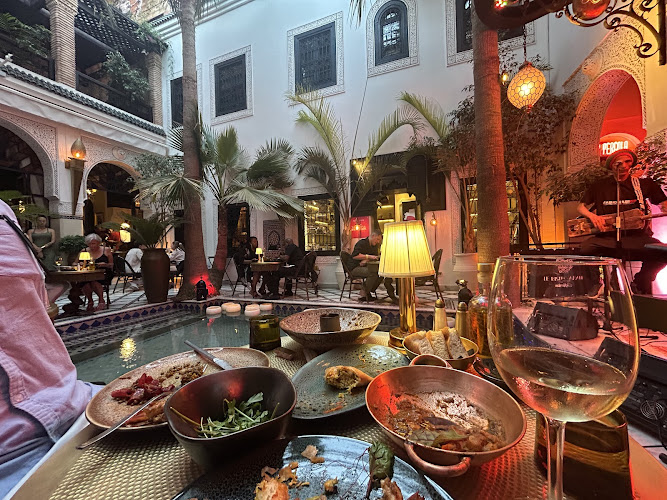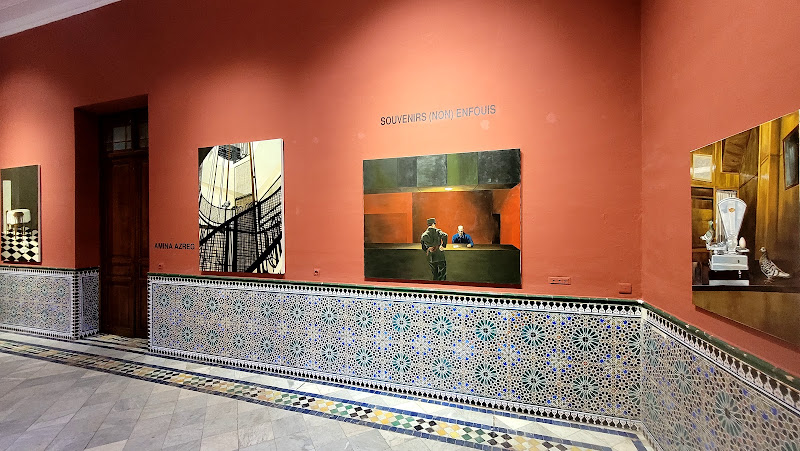
Dar Moulay Ali, Maison de France in Marrakech is a late-19th-century palace on Rue Fatima Zahra, opposite the Koutoubia Mosque in the Medina of Marrakesh 40000, Morocco. Built for Prince Moulay Ali, a brother of Sultan Hassan I, the house later became closely associated with France’s diplomatic and cultural presence in the city. Travelers come to see its rare palace architecture at the edge of the old town and, when public cultural programming is scheduled, to experience a historic Moroccan setting used for Franco-Moroccan exchange.
What to Expect at Dar Moulay Ali, Maison de France in Marrakech
This is not a conventional, ticketed museum with a large permanent display route. Dar Moulay Ali is principally a historic dar, or urban palace, whose significance lies in the building itself and its diplomatic afterlife. Its location beside the Koutoubia places it on the threshold between the Medina’s lanes and the broad open approaches to the mosque. Look for the inward-facing Moroccan plan: a protected entrance, rooms organized around a central courtyard, and the deliberate transition from busy street life to enclosed domestic space.
When the Maison de France hosts exhibitions, talks, receptions or cultural events, the experience is intimate rather than gallery-like. The principal points of interest are the courtyard, traditional decorative finishes and formal reception rooms, where carved wood, plasterwork and tiled surfaces frame the architecture. Programming changes, and public access can be restricted for official use; do not expect a standing collection of Moroccan-French artifacts on every visit. Check France’s Morocco cultural listings before making a special journey.
- Hassan I-era palace: A residence associated with Prince Moulay Ali, dating from Marrakesh’s late-19th-century royal milieu.
- Central courtyard: The inward-looking courtyard plan offers the clearest reading of a traditional elite Medina residence.
- Moroccan decorative craft: Observe the interplay of zellij tilework, carved cedar details and plaster ornament where rooms are accessible.
- Franco-Moroccan history: The building’s later French diplomatic and cultural role gives it historical interest beyond its architecture.
- Koutoubia setting: It stands directly by one of Marrakesh’s essential landmarks, making it easy to combine with a Medina walk.
Dar Moulay Ali, Maison de France in Marrakech at a Glance
| Detail | Information |
|---|---|
| Address | Rue Fatima Zahra, Marrakesh 40000, Morocco |
| Neighborhood / Area | Medina, opposite the Koutoubia Mosque and a short walk from Jemaa el-Fna |
| Operating Hours | Mon 9am–5pm; Tue–Sat 10am–6pm; Sun 9am–5pm. Hours can change for official or cultural events. |
| Admission & Ticket Prices | No standard museum admission or advance ticket price is published. Entry is event-dependent; confirm access through France Diplomatie in Morocco. |
| Recommended Visit Duration | 20–30 minutes for an exterior and surrounding walk; 45–60 minutes when a public event or exhibition is open. |
| Nearest Transit / Parking | Koutoubia and Jemaa el-Fna are the closest practical ALSA bus stops. Use Koutoubia-area paid parking, then continue on foot. |
| Official Website / Phone | France Diplomatie in Morocco; consult the event listing or contact page for current venue access arrangements. |
Visiting Tips, Getting There & Nearby Pairings
Arrive in the morning, before the Koutoubia and Jemaa el-Fna approaches become busiest, and treat the palace as a flexible stop rather than a guaranteed walk-in attraction. There is no routine online museum-ticket system to book. For a concert, exhibition or reception advertised by Maison de France or French cultural channels, follow the event’s registration instructions and carry photo identification if requested. The most straightforward approach is on foot from Jemaa el-Fna in about five minutes, or from Koutoubia’s bus and taxi drop-off area in two minutes.
Accessibility is limited by the historic Medina-house layout. Approach lanes can be crowded, pavements uneven and entrances narrow; internal steps and threshold changes may prevent independent wheelchair or stroller circulation, and a public elevator should not be expected. Contact organizers before attending with mobility needs. Pair the stop with the Minaret de la Koutoubia, immediately nearby, and Jemaa el-Fna, roughly a five-minute walk east. The restaurant terraces and cafés around Place Jemaa el-Fna are convenient for a break, while the Mouassine quarter’s souks and historic houses are about 10 to 15 minutes away on foot.
Frequently Asked Questions
What are the best hours to visit Dar Moulay Ali?
Posted hours are 9am–5pm Monday and Sunday, and 10am–6pm Tuesday through Saturday. Morning is the most comfortable time for the surrounding Medina walk, but verify that public entry is permitted on the day because the site can host official or private functions.
Is there an admission fee or do I need a reservation?
A standard public admission fee and permanent ticketing arrangement are not published. Access is tied to scheduled cultural programming, so reservations are only needed when an individual event requires them. Check the official French Morocco listings before going.
How much time should I budget?
Allow 20 to 30 minutes to view the building’s setting and combine it with Koutoubia. If a public exhibition, talk or cultural event is open, allow 45 to 60 minutes, plus time for security or entry procedures.
Is Dar Moulay Ali suitable for families and wheelchair users?
Families can easily include the exterior in a Koutoubia and Jemaa el-Fna walk. Inside access depends on the event, while uneven approaches, narrow passages and steps make the historic property challenging for wheelchairs and strollers; arrange assistance in advance where possible.
When planning your Marrakech travel guide or comparing verified attractions and museums in Marrakech, pair this stop with standout local spots including Jnane El Harti Garden, Marrakesh, M Avenue Marrakech, and Minaret de la Koutoubia (0.1 km away).